

Bad news about driving licence cards in South Africa, and war brewing in popular Western Cape seaside towns


The rand appreciated marginally to roughly R17.41 against the US dollar, driven by stronger precious metal prices and improved late-week global risk sentiment.
However, further gains were capped by concerns over the stability of the ANC-DA Government of National Unity partnership and rising expectations of US interest rate hikes.
The JSE All Share Index rose across all sectors, with financials and industrials benefiting from the firmer rand and basic materials climbing 1% on higher metal prices.
The yield on South Africa’s benchmark 10-year government bond edged down from 8.71% to 8.64%, contrasting with the US 10-year Treasury yield, which rose slightly to 4.93% following worse-than-expected inflation data.
Attention now turns to a data-heavy week ahead. Quarterly real GDP growth is projected to rebound modestly from a revised -0.3% contraction in Q2 to 0.1% in Q3.
While services and agriculture supported activity, mining, utilities, and a third consecutive quarterly drop in fixed investment (-0.6%) weighed on growth.
Inflation and higher fuel prices also constrained household consumption growth to roughly 0.1%. Annual GDP growth is forecast to reach 1% in 2026—up from 0.9% in 2025—and average 1.7% over the next three years.
Other upcoming releases in the week ahead include Q3 current account data, October trade, money supply, and private sector credit figures, plus November vehicle sales.
The Q3 current account deficit is expected to narrow from 2.6% to 1% of GDP, driven by a wider trade surplus.
On Sunday, 29 November 2026, the rand was trading at R17.36 to the dollar, R22.75 to the pound, and R19.00 to the euro. Gold is trading at $3,653.97, while oil prices are at $95.44 a barrel.
5 important things happening in South Africa today
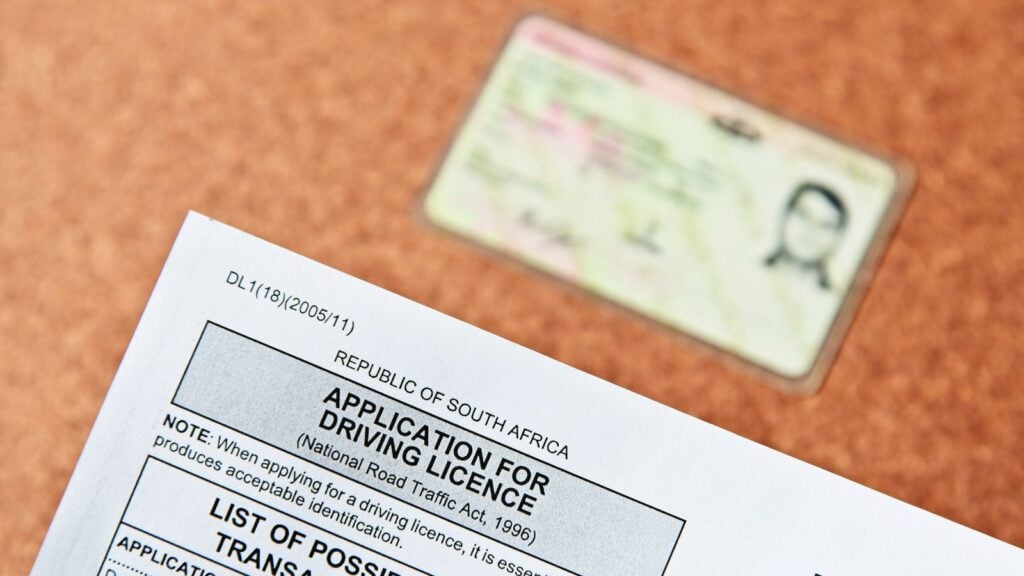
Bad news about driving licence cards in South Africa: South Africa’s Department of Transport has still not procured the new printers needed to produce upgraded smart driving licence cards. The current plastic cards have proven durable, but they are now vulnerable to tampering and forgery. The planned smart cards will address this with advanced anti-tampering features and a microchip to securely store biometric data, similar to smart ID cards. Because the new equipment has not been acquired, motorists must continue to rely on the ageing printer, whose frequent breakdowns have repeatedly caused major licence renewal backlogs. [MyBroadband]
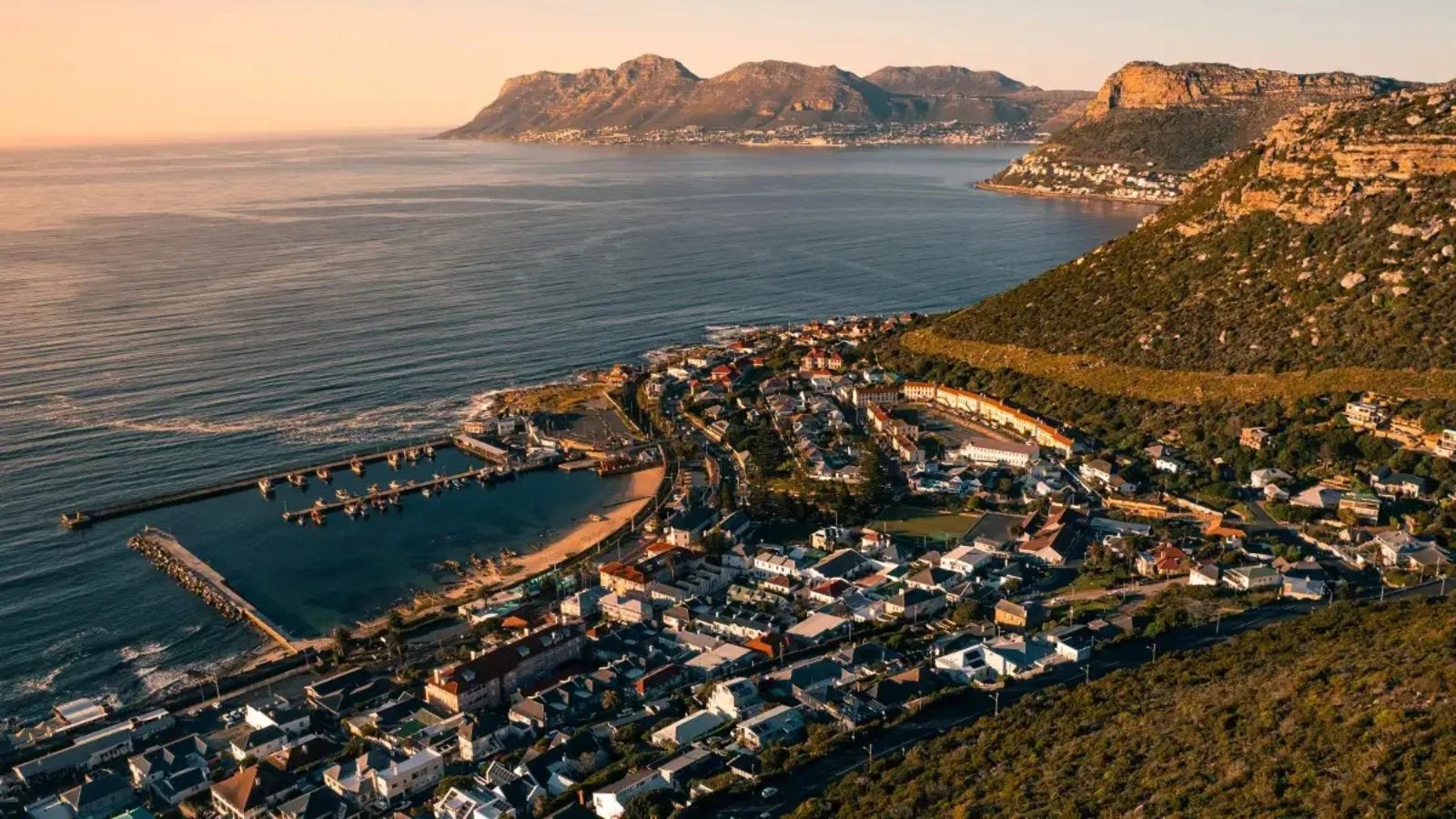
War brewing in popular Western Cape seaside towns: The Kalk Bay and St James Ratepayers and Residents Association is threatening legal action against a proposed private coastal development in St James, citing residents’ fears over losing historic character, public parking, and century-old open coastline. [Business Day]
Good news for South Africa: S&P Global Ratings upgraded South Africa’s long-term foreign currency sovereign ratings to BB+ from BB on Friday, 27 November 2026. [Newsday]
European Union to give South Africa R5.7 billion: The European Investment Bank, in its first critical minerals funding outside the European Union, signed a €300 million (R5.7 billion) partnership with South Africa’s biggest development finance institution. [BusinessTech]
R797 million spent over 15 years on a water supply scheme that is still not complete: The Moutse Bulk Water Supply Scheme in Limpopo has remained incomplete for 15 years, despite the government allocating R797 million to the project. [Daily Investor]















 Loading ...