

South Africa’s most important province under siege


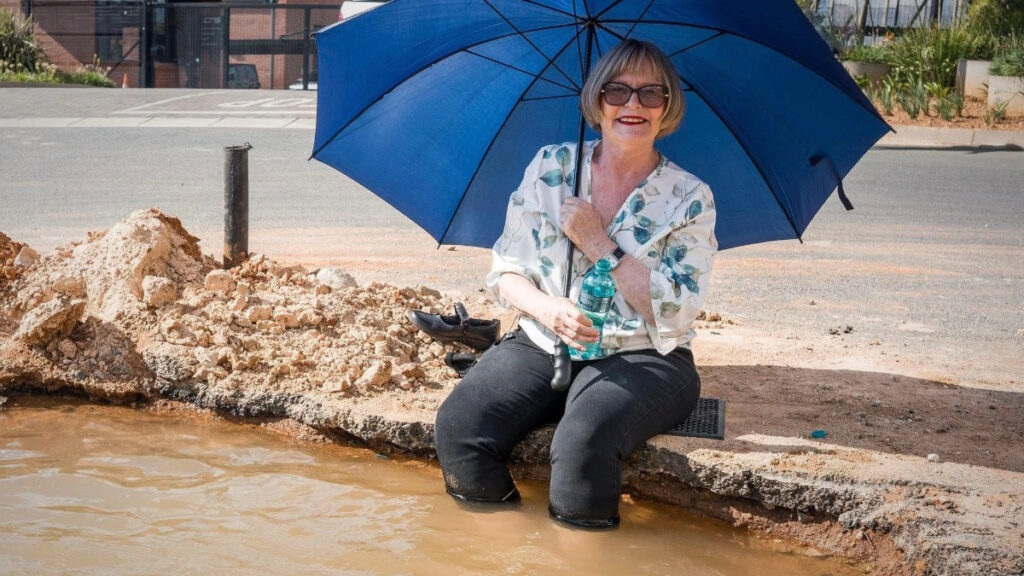
The Democratic Alliance (DA) has announced it will launch legal action against the City of Johannesburg over the persistent water crisis that has left thousands of homes and businesses running dry.
It will also be taking on similar crises that have arisen in the City of Tshwane and the City of Ekurhuleni, which the party says is under siege from water tanker mafias, enabled by poor governance.
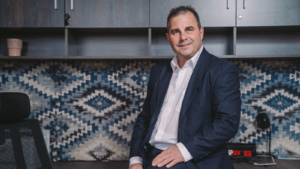
DA Gauteng Leader Solly Msimanga said that the party was taking “several steps”, including interventions in national, provincial and local government, but the legal action is happening in Joburg.
“Johannesburg has an existing water action plan in place, one adopted by council, with inputs from the DA, amongst others,” he said.
“This plan gathers dust, as (Joburg mayor Dada) Morero fails to act. No implementation, no funding, and no political will to solve Johannesburg’s water woes. That is what our court action will force them to act on.”
The legal action comes in a critical election year for the DA and other parties, who are making the water crisis a central pillar of their election campaigns.
The DA has fielded its federal chair, Helen Zille, as its mayoral candidate in Joburg, where she has been vocal and visible in addressing the crisis.
Current mayor, Dada Morero, has also made a concerted effort to be seen while addressing this and many other crises in the city.
On Wednesday (11 February), Morero stated that the city’s executive was working to “stabilise the water supply network and reduce consumption”, which had led to the shortages.
He insisted that the city had not reached ‘day zero’ and that water was still flowing, albeit under severely constrained conditions.
“Johannesburg remains one of the largest consumers of bulk water supplied by Rand Water,” he said.
“While significant progress has been made in reducing daily consumption, with multiple projects resulting in a measurable decline in water demand, the city must still reach a critical target of 1,550 Ml/d to comply with licence apportionment requirements.”
To achieve this, he said his executive will implement “a suite of urgent, practical interventions” to stop the crisis.
This includes real-time monitoring of consumption at the district and household levels, partnerships with businesses to drive water-saving initiatives, and enhanced public awareness campaigns.
“All residents, businesses, and institutions are urged to reduce water consumption, report leaks promptly and strictly adhere to water-saving measures during this period,” he said.
Not good enough

Msimanga characterised the current state of water losses and unavailability in the city as an “abject dereliction of constitutional duty”, and one that was taking place in all the province’s metros.
In Tshwane, he accused the city of “holding back water supply and enabling water loss,” making way for water procurement via water tankers rather than people’s taps.
In the City of Ekurhuleni, there are similar challenges where areas like Tembisa, parts of Germiston and Benoni have been without water for prolonged periods.
“(These) municipalities have been crippled by water tanker mafias as we see a growth in their usage across the board,” he said.
“Smaller municipalities are some of the worst hit. Places like Merafong and Emfuleni simply cannot afford to absorb the costs of water losses, or the outrageous asks of the Water Tanker Mafia.”
On top of legal action against the CoJ, the DA urged the City of Tshwane to ring-fence water revenues and use them to upgrade water infrastructure.
“Tshwane must also get in private sector partners either as management partners or to plug the government’s lack of skills and capital. The DA will ensure this in council.”
Nationally, the party has written to the Minister of Water and Sanitation, calling for engagement between her department and Rand Water.
“Rand Water’s license must be relaxed so that they are able to pump more water into the system,” Msimanga said.













 Loading ...