

Surprise inspection warning for anyone who employs a domestic worker in South Africa


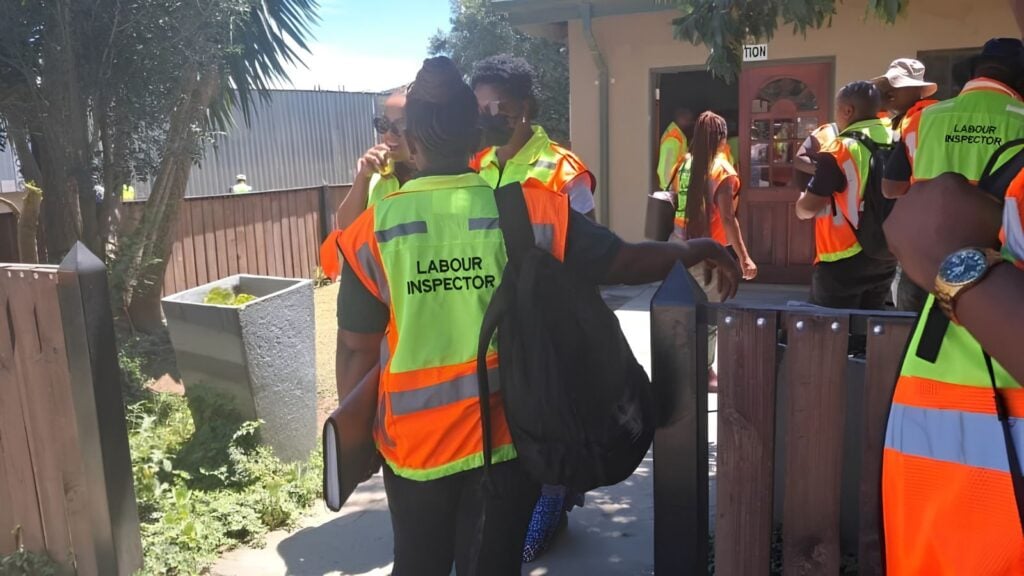
Businesses and households that employ foreign workers are being warned that labour inspectors and multidisciplinary task teams are conducting ongoing enforcement operations across the country.
This includes households that employ domestic workers, and inspection visits can occur without warning.
South Africa’s Department of Employment and Labour (DEL) is actively recruiting 10,000 additional permanent labour inspectors.
This was officially announced by President Cyril Ramaphosa during his State of the Nation Address (SONA) on 12 February 2026. He later expanded on the plan during a dedicated national address on 7 June 2026.
During the national address, he detailed the strict legal penalties for non-compliant employers and emphasised the role these inspectors will play in curbing illegal migration and workplace exploitation.
This initiative targets widespread labour exploitation, occupational safety violations, and the illegal hiring of undocumented foreign nationals.
Speaking in an interview with Newzroom Afrika, Deputy Director General at the DEL, Sam Morotoba, said inspections form part of a broader enforcement drive already underway.
“Inspections and multidisciplinary task teams have got plans. You have seen recently they surface everywhere, anytime, unannounced,” he said.
He said the department’s enforcement teams are actively conducting operations and that employers should ensure they comply with the law rather than worry about when inspectors may arrive.
When pressed on whether households should simply expect surprise inspections, he agreed. “Yes, the multidisciplinary task teams are conducting raids everywhere,” Morotoba said.
The comments come as the Department of Employment and Labour proposed amendments to labour legislation that would introduce significantly tougher penalties for employers who hire undocumented foreign nationals.
Morotoba stressed that the proposed changes are still under consideration and have not yet been enacted into law.
Under the proposal, employers found guilty of a first offence could face a fine of R100,000 per undocumented worker.
“The first fine is R100,000 for the first offence. But it escalates to the second offence and then the third offence, where we would normally look at even the percentage in terms of the employer’s profits,” Morotoba said.
Be prepared
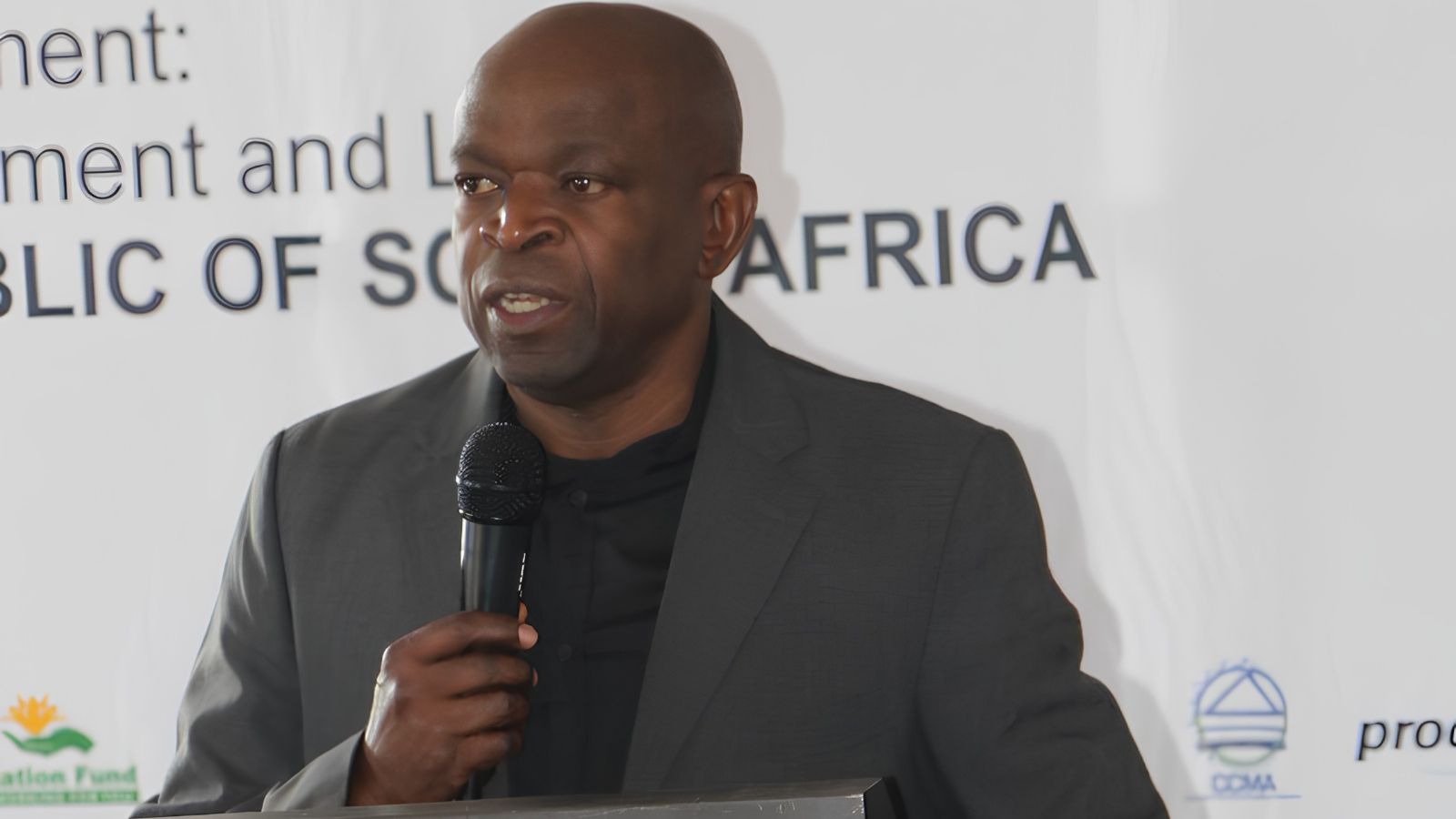
However, Morotoba acknowledged that one of the biggest debates surrounding the bill is whether the same penalties should apply equally to large companies and private individuals employing domestic workers or gardeners.
“This was a very, very heated debate at Nedlac when we were debating this bill. And I’m sure it is going to be the same when the parliamentarians put the bill through the process,” he said.
He noted that while a R1 million fine may have little impact on some large companies, the same penalty could be devastating for an individual employer.
“For a big company, this is nothing. They can simply budget like they are doing now and pay off that fine. But for an individual, that amount is huge,” he said.
Morotoba said the department has recognised the challenge of applying identical penalties to employers of vastly different sizes, but has deliberately left the issue for Parliament to determine.
“We are leaving this to our parliamentarians to assist us because companies and individuals are not the same. Their incomes are not the same,” he said.
“The R1 million will be felt differently depending on the size of the company and the income that such a company would make.”
For households employing foreign domestic workers, Morotoba said employers should ensure they keep the necessary documentation on file, including a valid passport and the appropriate work authorisation.
Where a worker does not have a work permit, they may instead possess “a special permit”, permanent residence documentation, refugee papers, asylum documents or other lawful immigration status permitting them to work in South Africa.
















 Loading ...