

The two brothers who turned fly-fishing into a retail empire quietly taking over South Africa


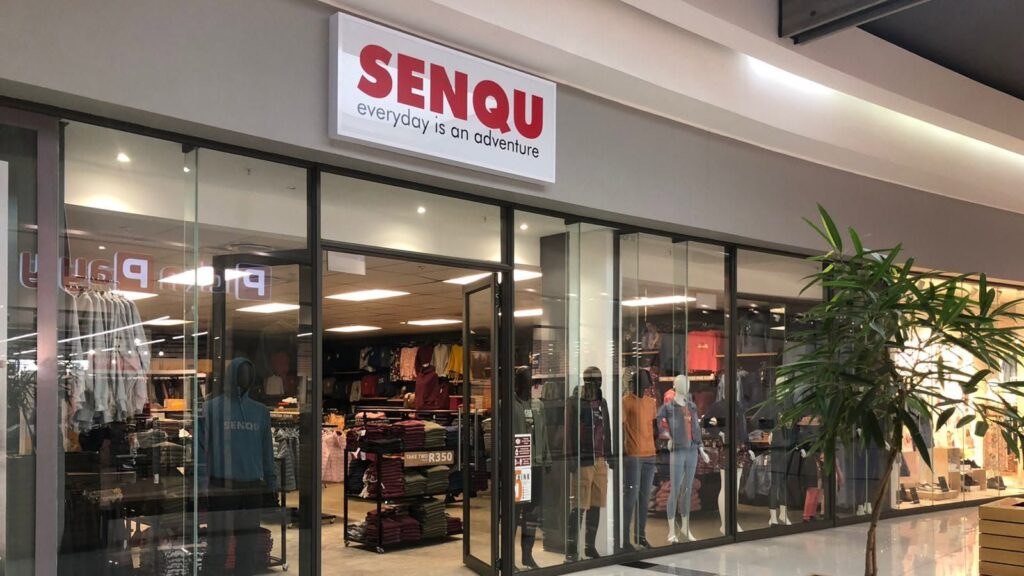
Clothing retailer Senqu has gone from a small fly-fishing shop started by two brothers to a major player in South Africa’s clothing industry, opening 50 stores in just three years.
The company was founded by Peter and Tim Holden, who began selling flyfishing supplies in Durban in 1985.
These supplies were made by Basotho women and were sold in the brothers’ first shop in Durban.
The company was named after the Senqu River in Lesotho, which the brothers had visited several times for fishing trips.
The two brothers were avid fishermen and became obsessed with the area and what it offered for fly fishermen.
Fly fishing is a popular pastime in South Africa, particularly in KwaZulu-Natal, with spots for the activity found in and around the Drakensberg mountains.
The river is popular amongst fishermen, particularly for fly fishing, and flows into the Orange River in South Africa.
The business soon expanded to include fishing-related apparel, adding another dimension to the store’s product range.
As the business became more successful, Senqu focused on the apparel industry, incorporating leisurewear into its stores.
The shift was made to appeal to a wider audience and make their products suitable for everyday use.
The company has kept its focus on the outdoors, including clothing for activities such as hiking and fishing.
After the success of its first store, the company entered the wholesale market, supplying other retailers with its clothing and operating only a small number of shops.
These shops were primarily used to sell end-of-range clothing that did not perform well at other retailers.
Currently, Senqu has over 120 stores in South Africa and is a major name in the outdoor and clothing industry.
A rapidly growing business
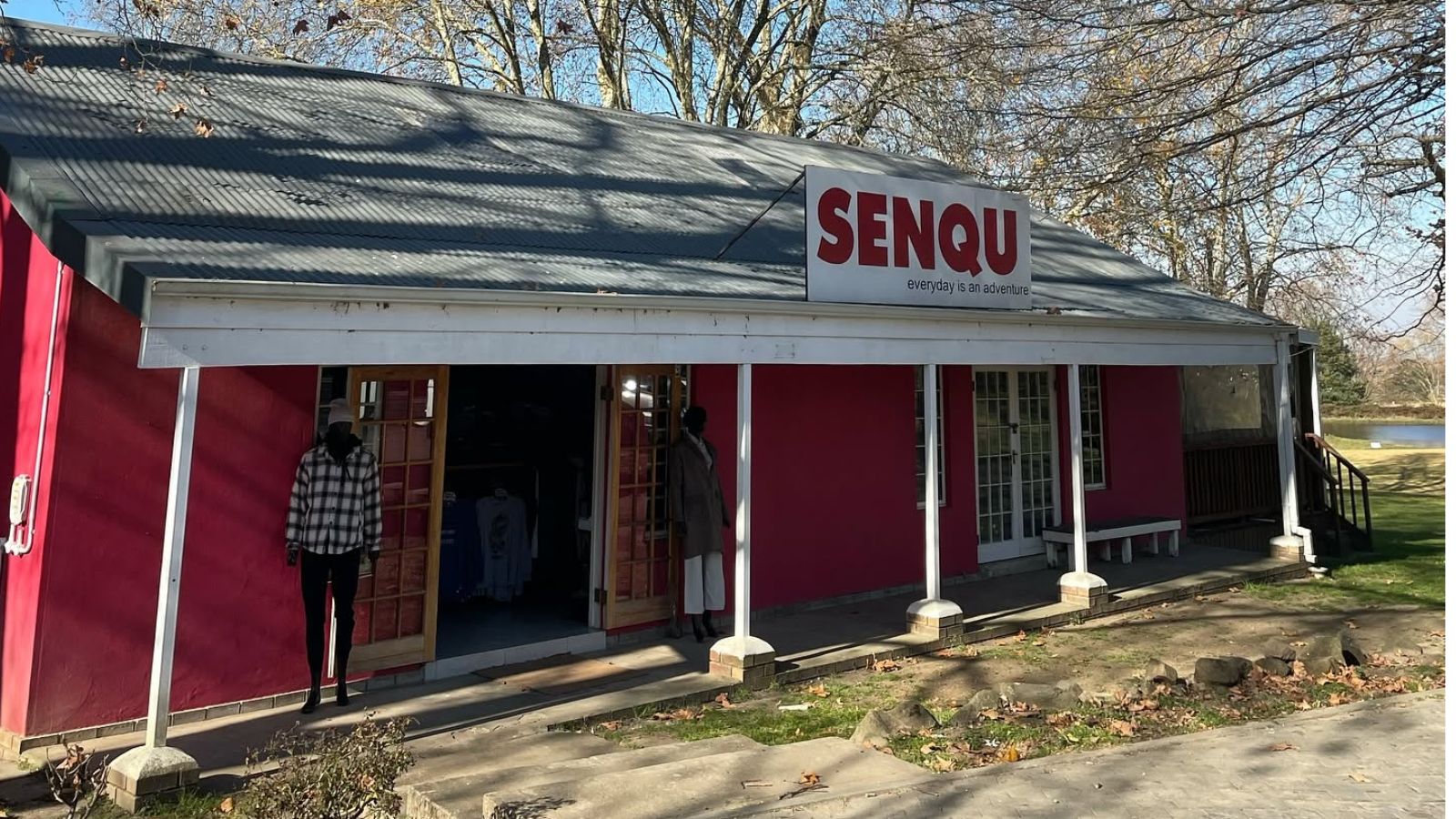
Senqu was initially hesitant to move away from its wholesale business model, which had been successful for many years.
It eventually decided to close its wholesale division, in search of more independence in how it operated.
The business said its decision to expand its store count followed the success of its existing outlets.
Senqu managing director, Mark Ely, said, “The brand had a few outlet stores at this point for clearing end-of-range products, and based on customer response to these stores, we took the decision to close the wholesale division.”
Customer demand for these stores was high, and the company grew to include 70 of its own retailers in 2023.
Initially, the business was hesitant to expand too quickly and focused on slow, purposeful growth in the first decade after it ended its wholesale operations.
The business has been far more aggressive in its expansion operations in recent years, and aimed to open five new stores every month in 2023.
This growth has been seen nationwide, with the company expanding its footprint across South Africa.
Senqu also received support from its parent company, Gemelli, a clothing manufacturer which also operates Clothing Junction and Victory Lab.
Gemelli is based in Durban, where Senqu originated, and focuses on manufacturing low-cost clothing at scale.
The company’s extensive manufacturing capabilities have been the driving force behind Senqu’s impressive growth, enabling it to produce large volumes of inventory.
Despite its parent company’s focus on low-cost manufacturing, Senqu targets higher-earning clientele through its product range and store locations.
The business focuses on establishing a presence in holiday destinations and in areas known for outdoor activities.
Despite moving towards leisurewear, the company continues to incorporate outdoor elements into its designs.
Store location and product design have helped the business keep its original customer base while expanding into new markets.
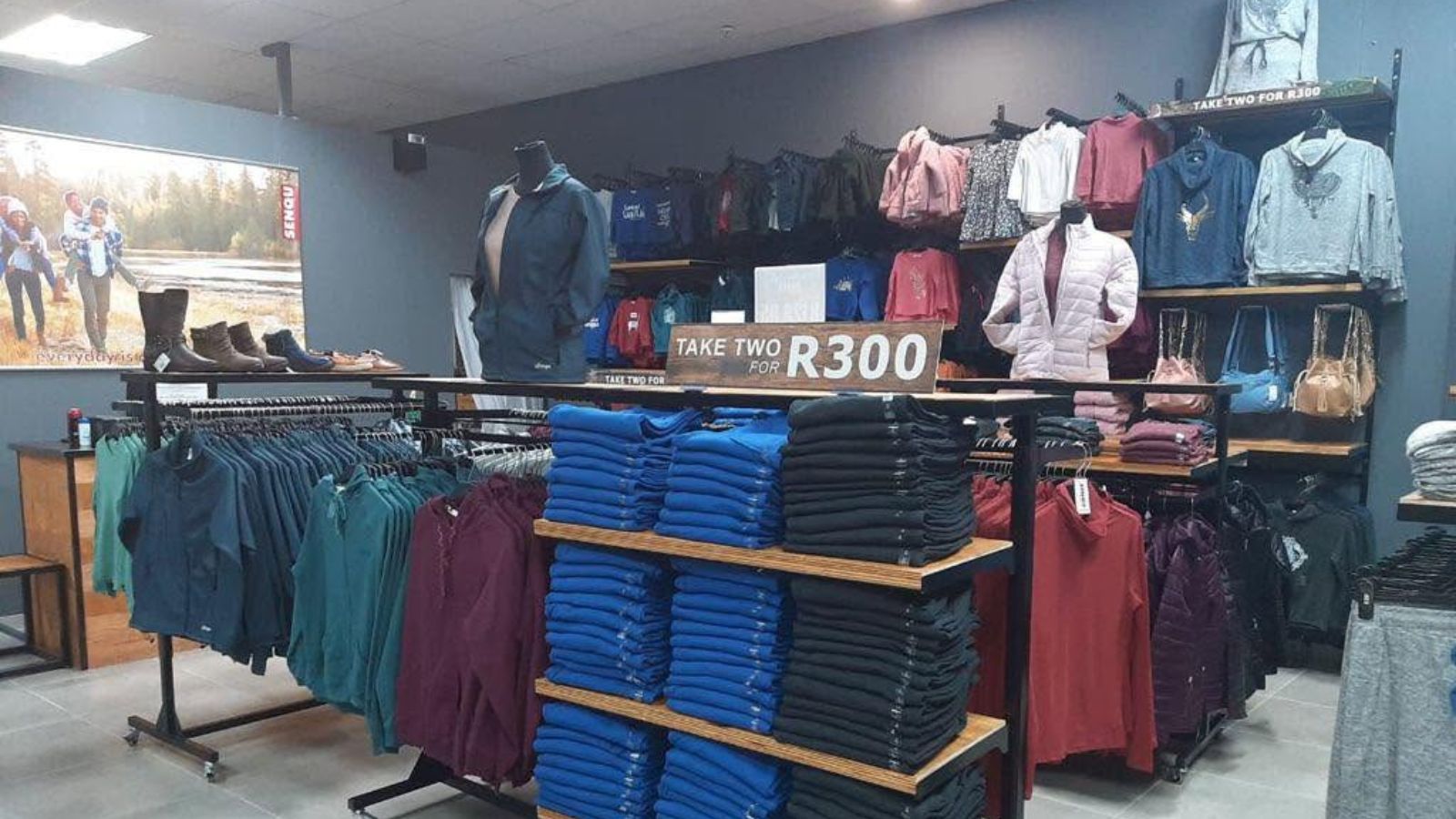
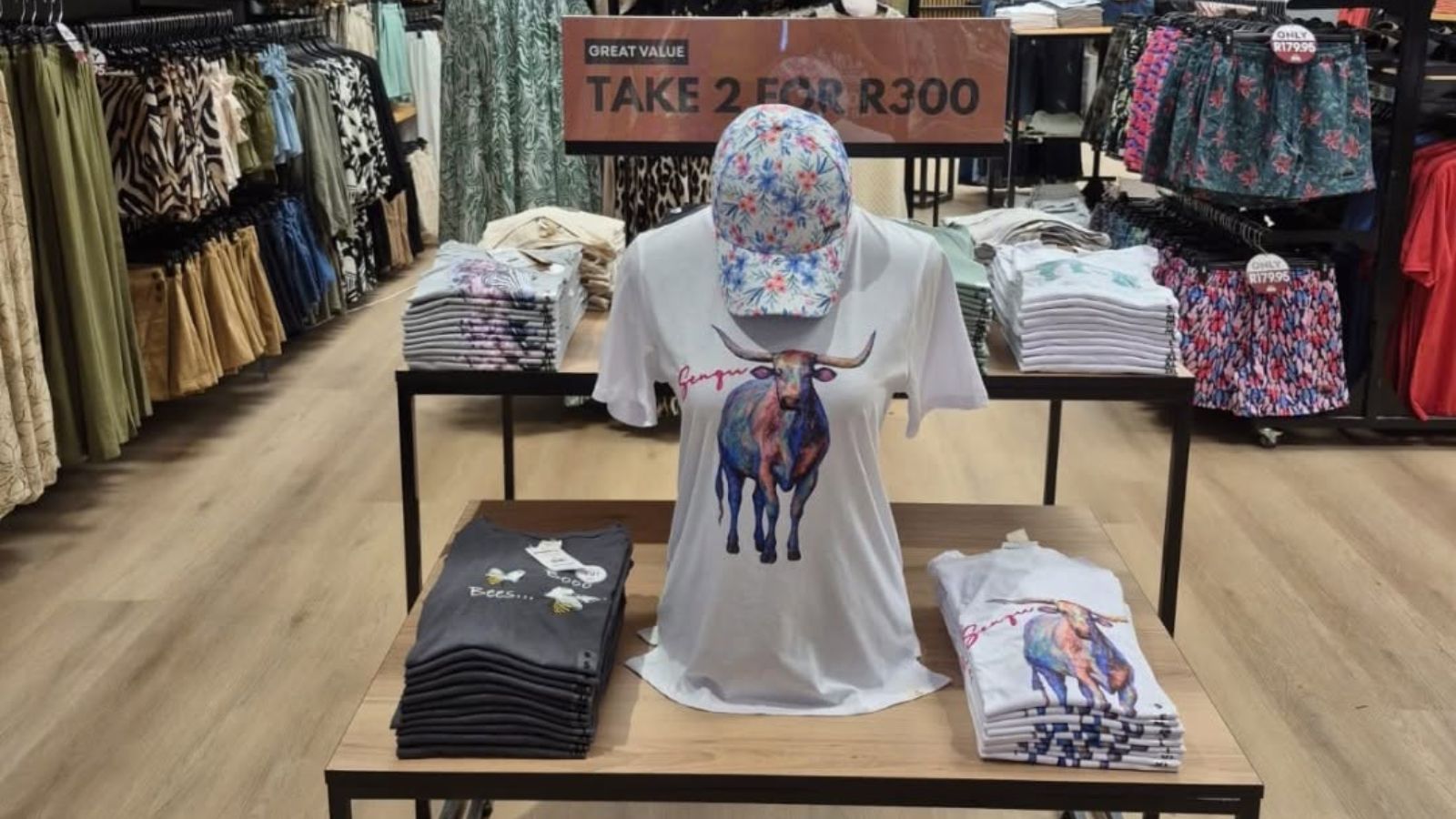
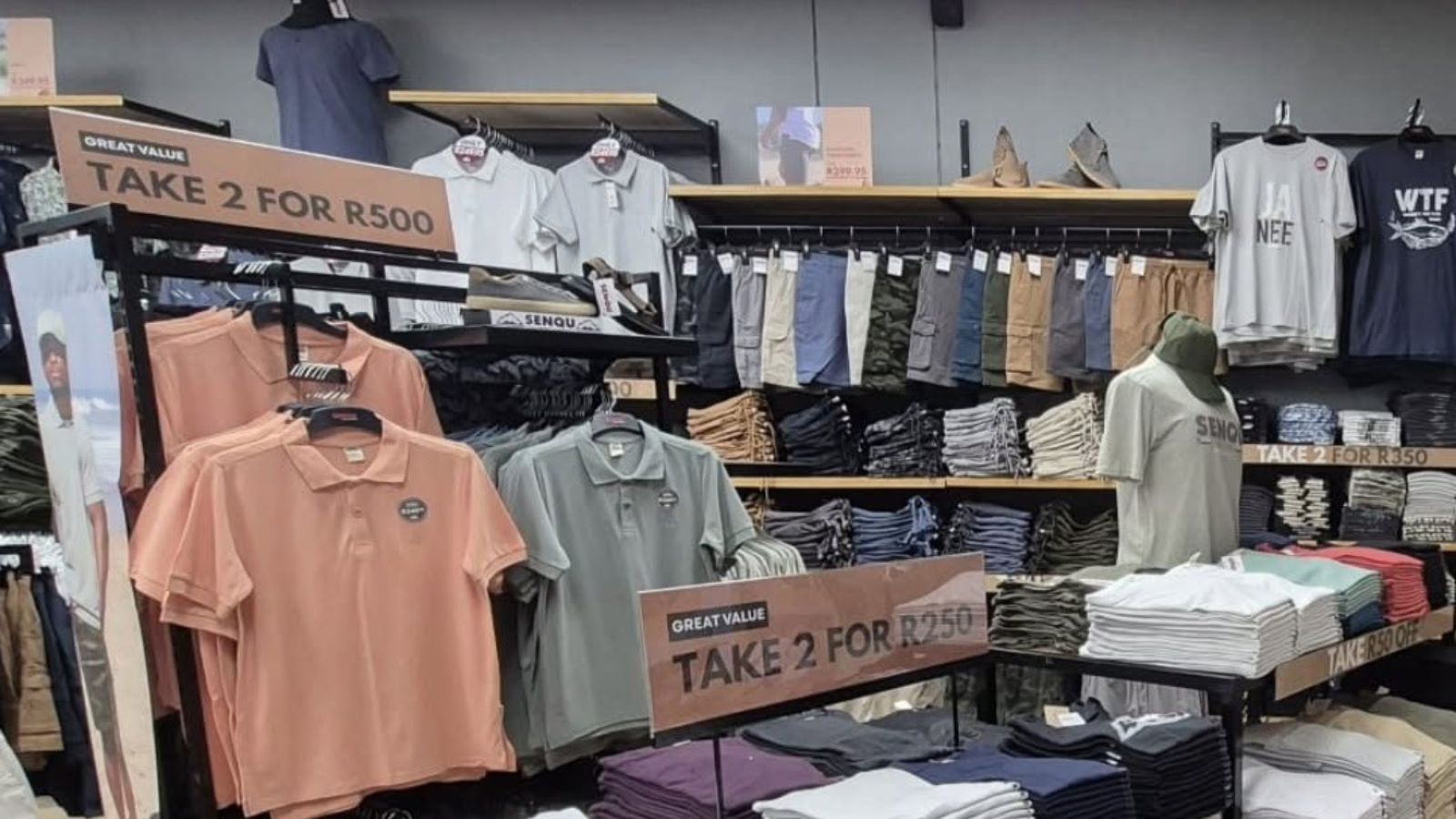
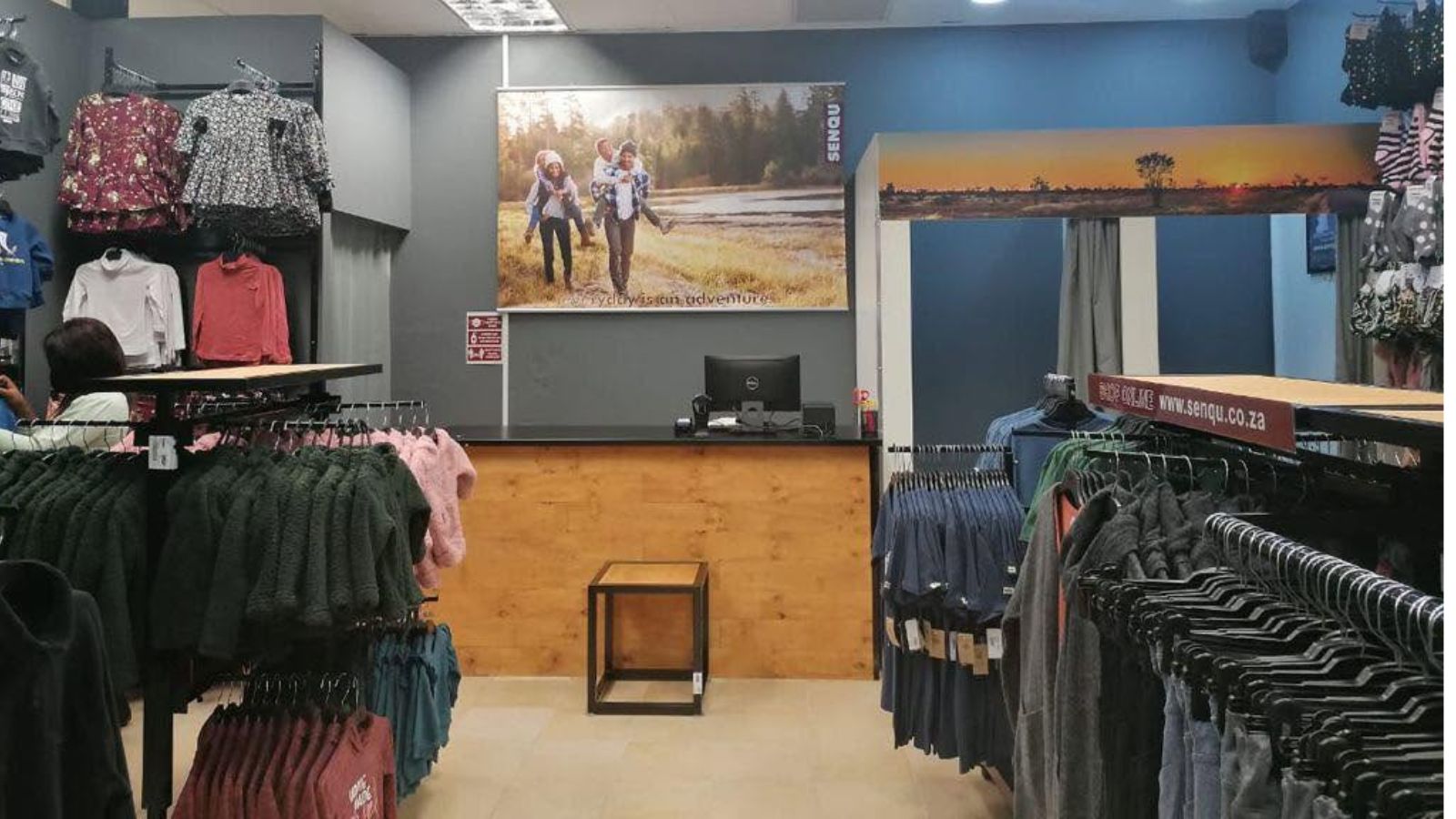
Photos of Senqu















 Loading ...