

Big shift in expectations for interest rates in South Africa


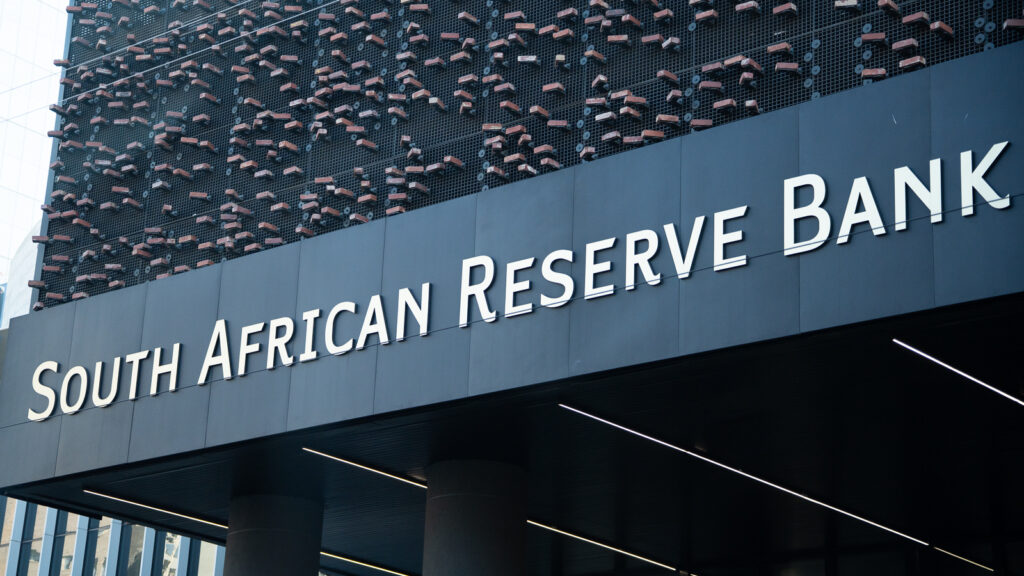
After the Monetary Policy Committee’s (MPC) surprise decision to hold interest rates, expectations for future hikes—or even cuts—are swinging.
This is a significant shift from the market view just a few weeks ago that multiple hikes were on the cards for 2026.
The Reserve Bank’s decision to hold interest rates caught many economists by surprise, after many expected a hike in response to June’s inflation rate.
South Africa saw inflation rise by 5% in June, exceeding its current target of 3% and outpacing many experts’ expectations.
SARB chairman Lesetja Kganyago said the MPC’s decision was not based on the figures from June but rather on its current inflation forecasts for the remainder of the year.
The MPC has adjusted its inflation forecast for the end of 2026 from 4.4% to 4.0%, citing relatively low food inflation in South Africa.
It also said that the country’s current policies were restrictive enough to make a second consecutive rate hike unnecessary.
Investec economist Lara Hodes noted that both consumer and business confidence have recently deteriorated in South Africa.
This has led to lowered economic activity in the country since the start of the conflict between the US and Iran.
An interest rate hike poses a risk of further reducing economic participation, thereby threatening South Africa’s already-stagnating economy.
The Reserve Bank previously raised interest rates by 25 basis points in May, in response to climbing global oil prices.
At the time, the bank warned that a second rate hike was possible based on future oil prices and weather conditions.
South Africa is expected to be affected by an El Niño weather pattern in summer, which could lead to drought conditions and pose challenges for the agricultural sector.
This could potentially drive food inflation higher, as farms struggle to produce without reliable rainfall and lower dam levels.
What South Africa can expect

The Reserve Bank said additional interest rate hikes are possible for the future, based on several factors, including inflation forecasts and fuel prices.
It said that if inflation expectations remain elevated, South Africans should expect another interest rate increase and for rates to remain higher for longer.
It also noted that if oil prices remain high, another interest rate hike is possible. This would be the case if global oil prices sit around the $100-a-barrel mark and only drop lower in 2029.
If oil prices fall to around $78 per barrel and then continue to decline, an additional interest rate hike may not be necessary.
PSG chief economist Johann Els said he expects oil prices to fall fairly quickly from their current high, based on historical patterns.
“Once oil stays elevated for a while, as the Middle East conflict has caused, it often falls much faster than expected,” he said.
Currently, the Reserve Bank is forecasting global oil prices to average roughly $82 per barrel, down from its previous assumption of $91 per barrel.
He said this scenario could actually lead to rate cuts later this year, if inflation falls in line with declining fuel costs.
“Under this positive scenario, the Reserve Bank’s model actually brings back rate cuts later this year already,” he said.
He also commended the MPC for its current interest rate strategy, saying that the Reserve Bank is “clearly forward-looking.”
“They recognise the risks, but policy is based on where inflation is going, not where it is today,” he said.
He said the Reserve Bank appears to be increasingly concerned about the economic pressures already being placed on South African households, and is aligning its policies with this concern.
“Households are under pressure from higher fuel prices, confidence has weakened, recent activity data has disappointed, and export commodity prices remain soft,” he said.

















 Loading ...