

Government officially takes some control over Springboks Greatest Rivalry Tour


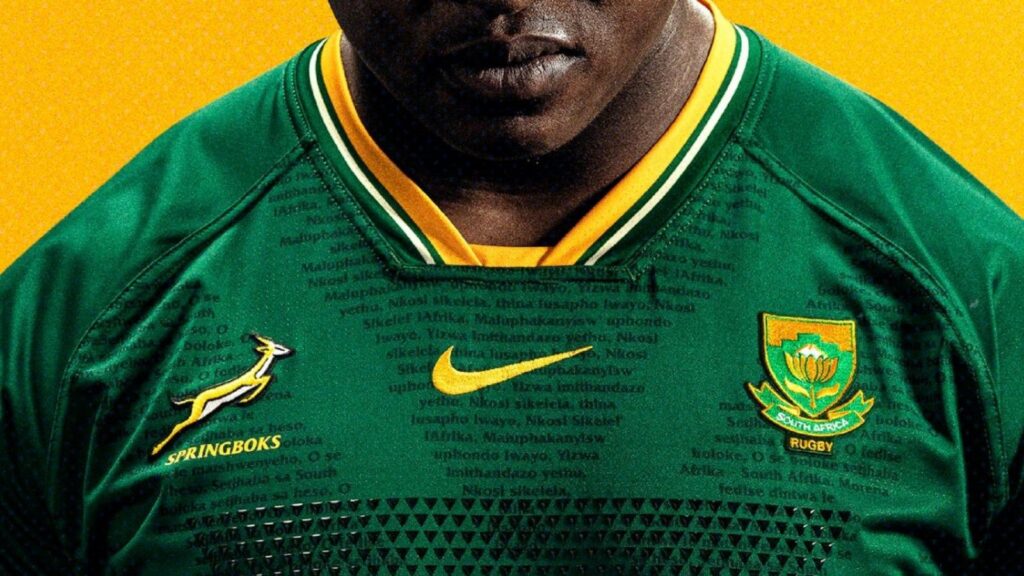
The South African government has officially designated the 2026 Rugby Greatest Rivalry Tour as a protected event.
This gives organisers additional legal protection over branding linked to the highly anticipated Springboks-All Blacks fixtures while also placing procurement and empowerment requirements on the event.
Trade, Industry and Competition Minister Mpho Parks Tau made the declaration under Section 15A of the Merchandise Marks Act, 1941. The protected-event period runs from 7 August to 12 September 2026.
“I, Mpho Parks Tau, the Minister of Trade, Industry and Competition, hereby, in terms of section 15A of the Merchandise Act, 1941 (Act 17 of 1941) hereinafter referred to as ‘the Act’), declare the 2026 Rugby Greatest Rivalry Tour as a ‘protected event’ including the relevant marks, words and emblems.”
The designation is being conferred on the South African Rugby Union (SARU), which is organising the tour, on the grounds that the event is in the public interest.
The protection covers relevant branding, names, words, emblems and other marks associated with the tour, the Springboks and their opponents, the All Blacks.
It is intended to strengthen the organisers’ ability to act against counterfeit merchandise and unauthorised commercial exploitation of the event.
The notice also makes clear that existing proprietors of identical or similar marks already in legitimate use will not be affected by the declaration.
However, the notice includes requirements governing how SARU conducts procurement for the event, including principles of fairness, equity, transparency, and competitiveness.
SARU must comply with the Preferential Procurement Policy Framework Act and apply the Department of Trade, Industry and Competition’s B-BBEE codes of good practice when assessing suppliers.
The requirements also call for support for South African businesses, particularly those from previously disadvantaged communities.
This has raised concerns from Solidarity, which argued that procurement and B-BBEE requirements should not be imposed on an independently organised sporting event.
Unintended consequences
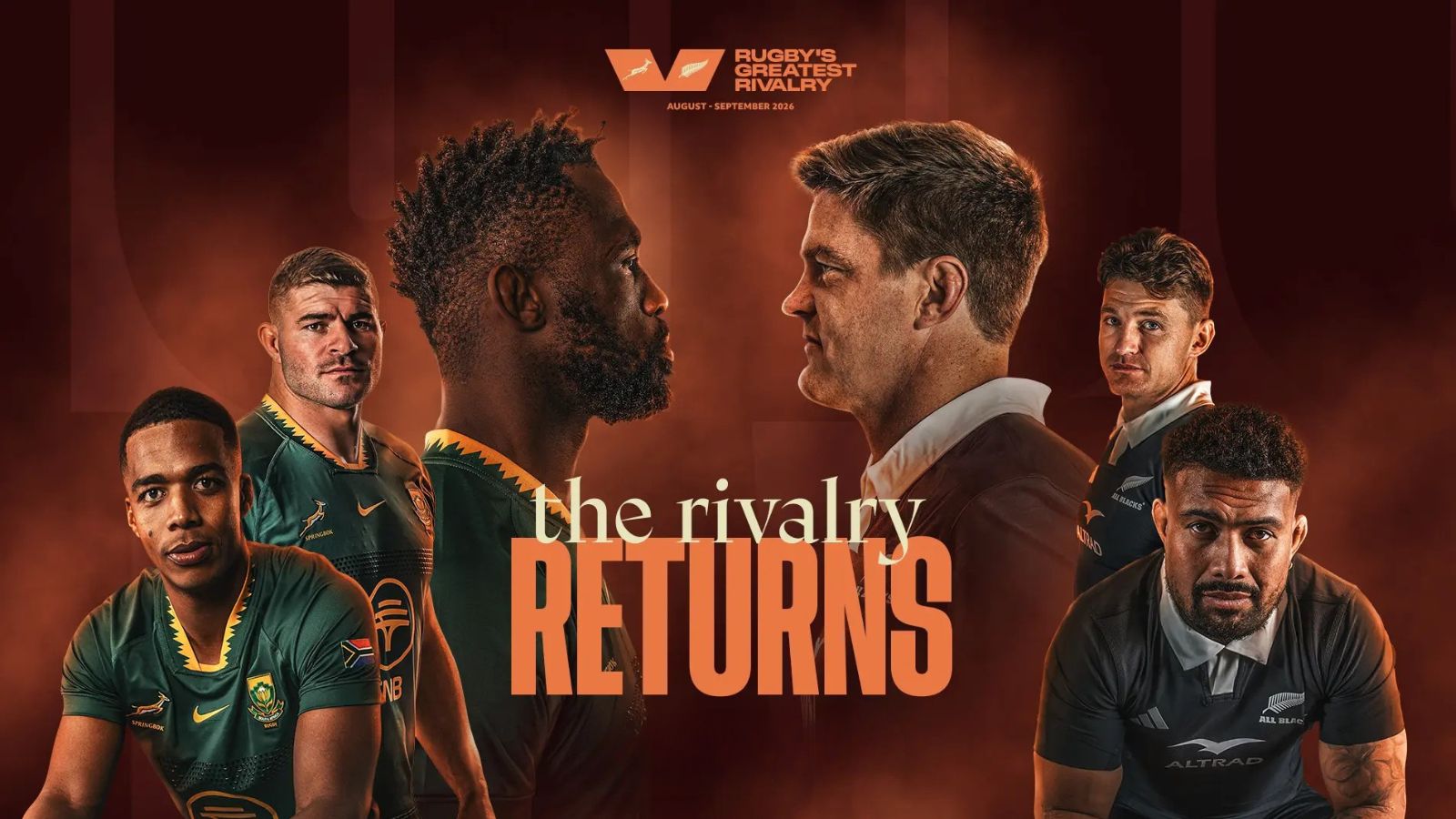
Theuns du Buisson, an economic researcher at the Solidarity Research Institute, told BusinessTech that the government’s involvement could create unintended consequences for businesses.
“Our biggest concern is the attempt to impose BEE regulations and procurement requirements on the organisers of the All Black tour,” he said.
Du Buisson argued that existing laws already provide protection against the unauthorised sale of merchandise.
“The informal sale of unauthorised products is already in contravention of current laws, and we do not see how these protected events would provide any further protection for the Springbok rugby logos or the Rugby Union itself,” he said.
Du Buisson said the bigger concern was the precedent created by allowing the state to attach procurement requirements to an event deemed to be in the public interest.
“If the law is applied to its fullest extent, only 100% black-owned businesses may have the right to manufacture or sell Springbok supporter jerseys. Such an outcome is simply absurd,” he said.
He added that Solidarity is already challenging the Public Procurement Act in court, making the application of similar requirements to private events particularly contentious.
“Once a minister can declare anything to be in the ‘public interest’ and subsequently subject it to state procurement requirements, there is virtually no limit to state interference,” Du Buisson said.
He acknowledged that the protected-event status is designed to shield the Greatest Rivalry Tour from counterfeiting and unauthorised commercial activity.
However, he warned that the accompanying conditions have opened a wider debate over how far government control should extend into privately organised sporting events.
















 Loading ...