

New retailer launches in South Africa, coming after Shoprite and Boxer – here’s how it looks inside


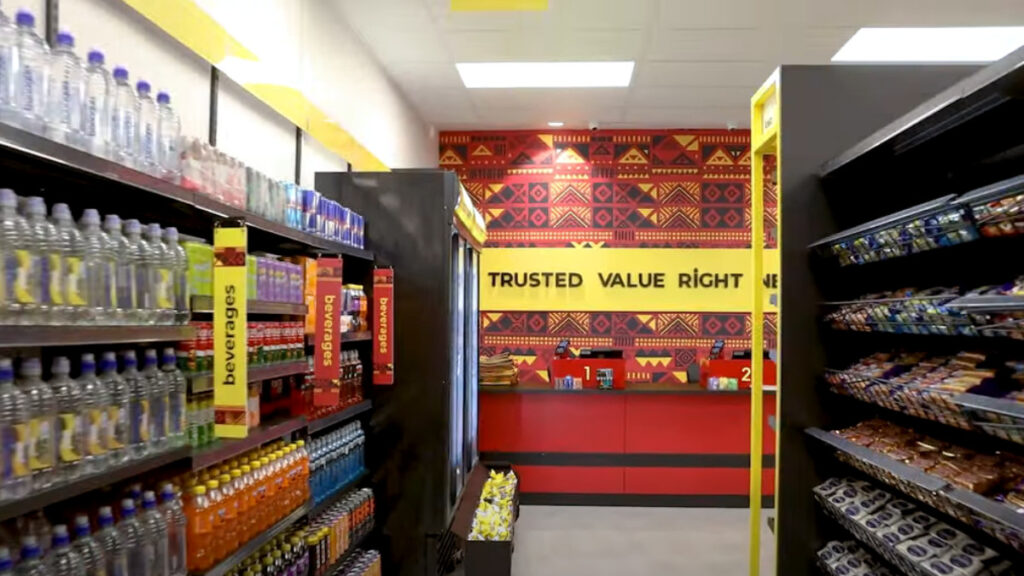
Clicks is pushing deeper into the economy of South Africa’s predominantly Black urban communities with a new brand aimed at competing for consumers who often shop outside of formal retail stores.
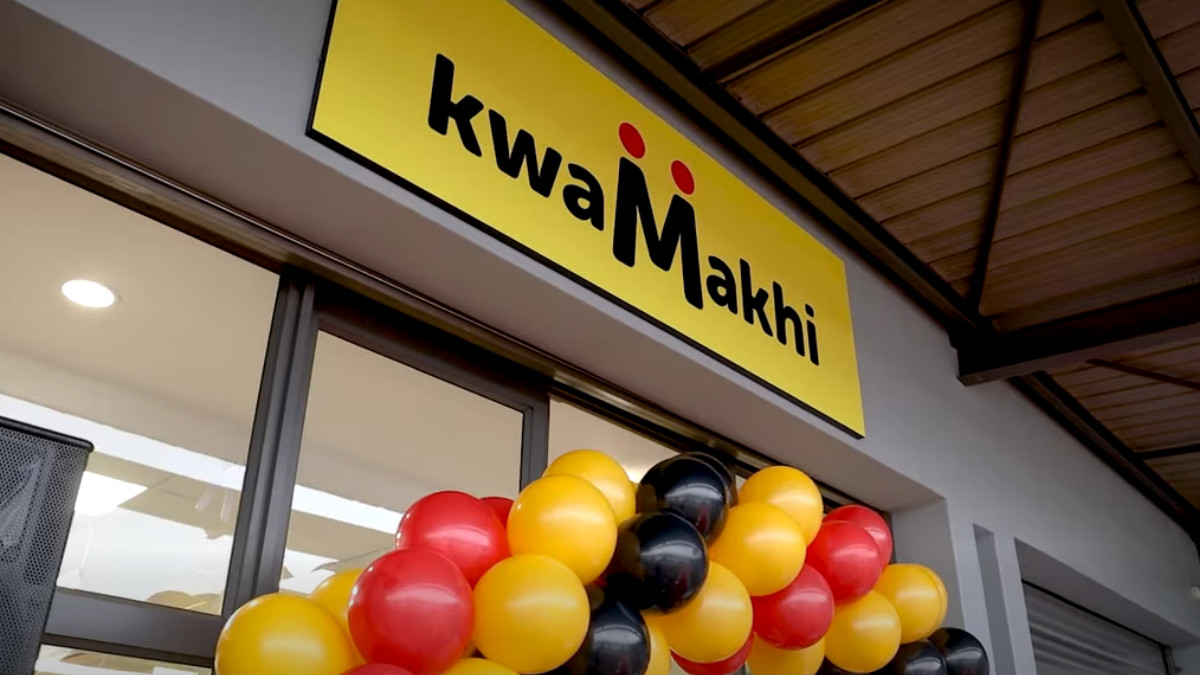
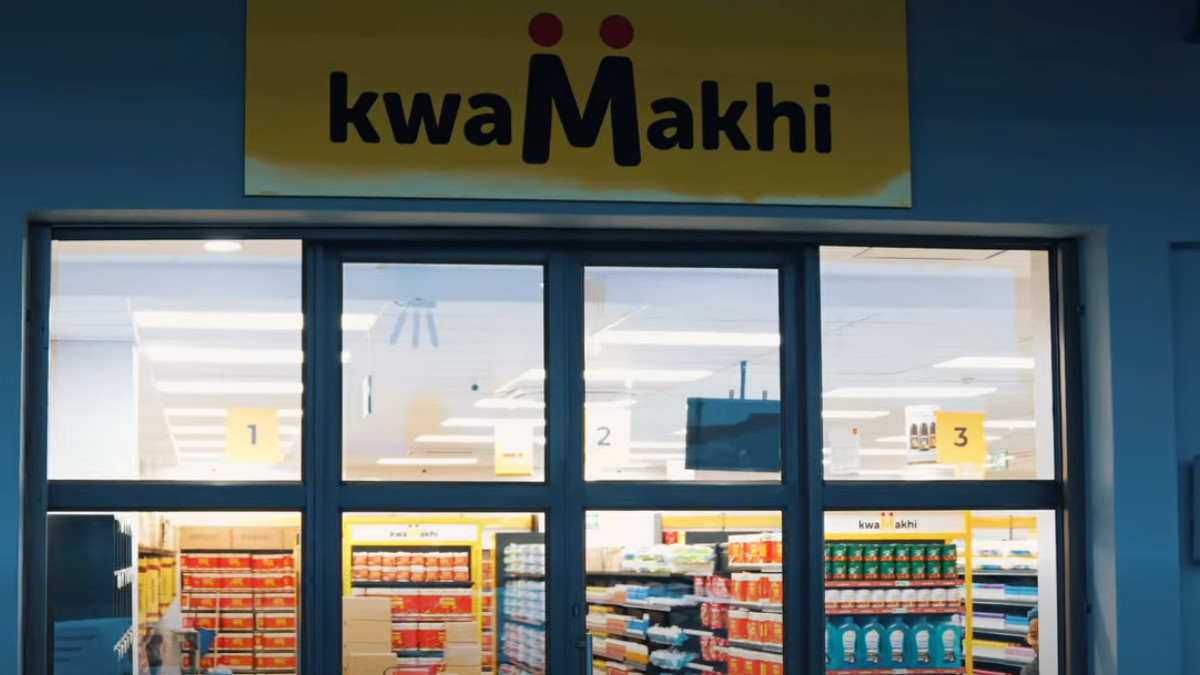
Opening its first KwaMakhi outlet on Thursday, Clicks’ plan is to compete on price, quality and convenience, Chief Executive Officer Bertina Engelbrecht said in an interview.
The store is northeast of Johannesburg in Tembisa, one of the country’s many townships whose origins lie in apartheid-era segregation.
KwaMakhi, which roughly translates as “at my neighbour’s” in several local languages, is built around the idea of a shop within walking distance of home, where customers can pick up everyday essentials much as they might go next door to borrow sugar, without paying for transport to a shopping centre.
It’s entering the market as slower growth pushes grocery chains such as Shoprite into categories such as health, beauty and personal care, areas where Clicks has traditionally been strong.
Still, spending by lower-income consumers has proved resilient, Engelbrecht said. The township economy is estimated at about R900 billion annually, Clicks said.
KwaMakhi is also seeking to tackle what Engelbrecht described as a global tendency for poorer consumers to pay more.
“You would think it should be the reverse,” she said.
Clicks sees about 2,000 potential locations that its traditional format can’t currently reach, even before considering areas where organised retail has yet to establish a presence.
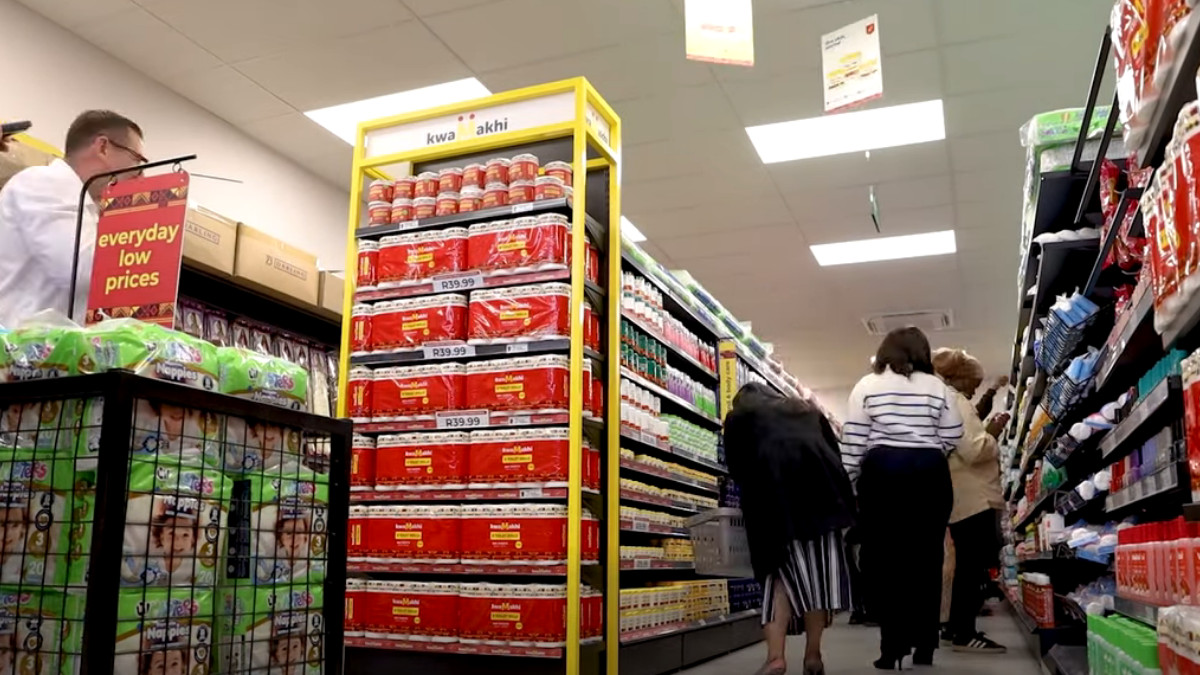
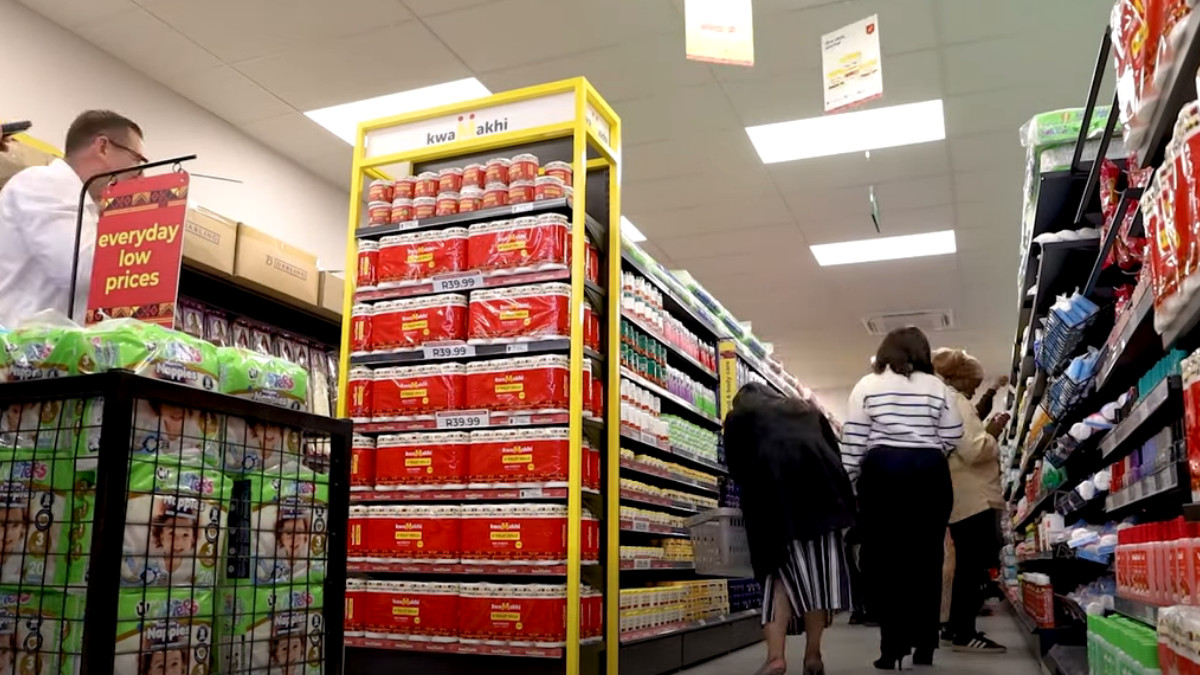
KwaMakhi stores are typically 280 square meters to 350 square meters, compared with 550 to 1,500 square meters for Clicks shops, and don’t include pharmacies or clinics.
The group plans to have 10 outlets by year-end.
The strategy reflects lessons from retailers’ previous attempts to treat lower-income consumers as a single market, Engelbrecht said.
KwaMakhi will adjust its merchandise to local demographics and preferences as it learns what sells in different communities.
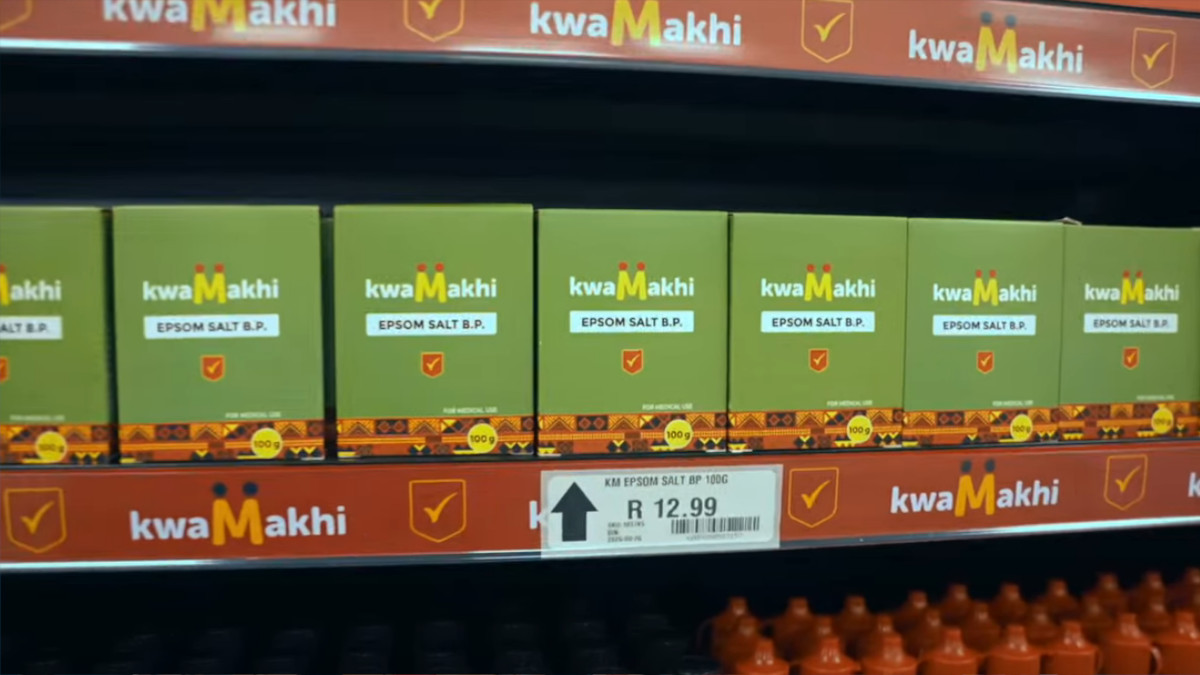
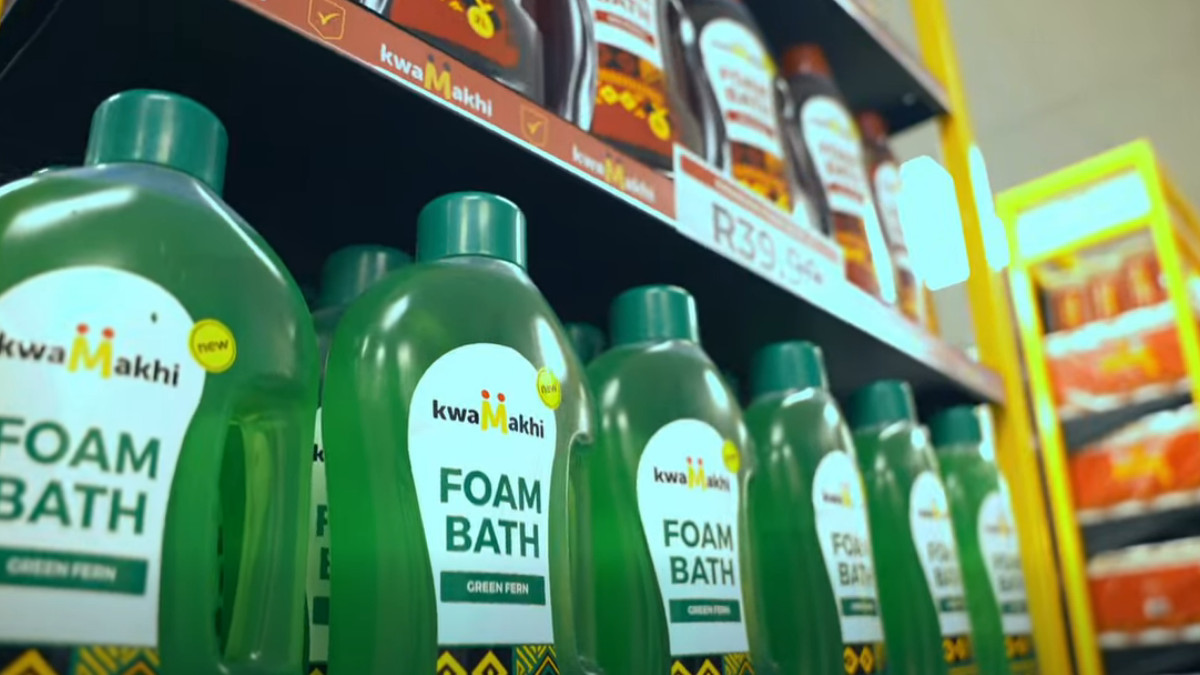
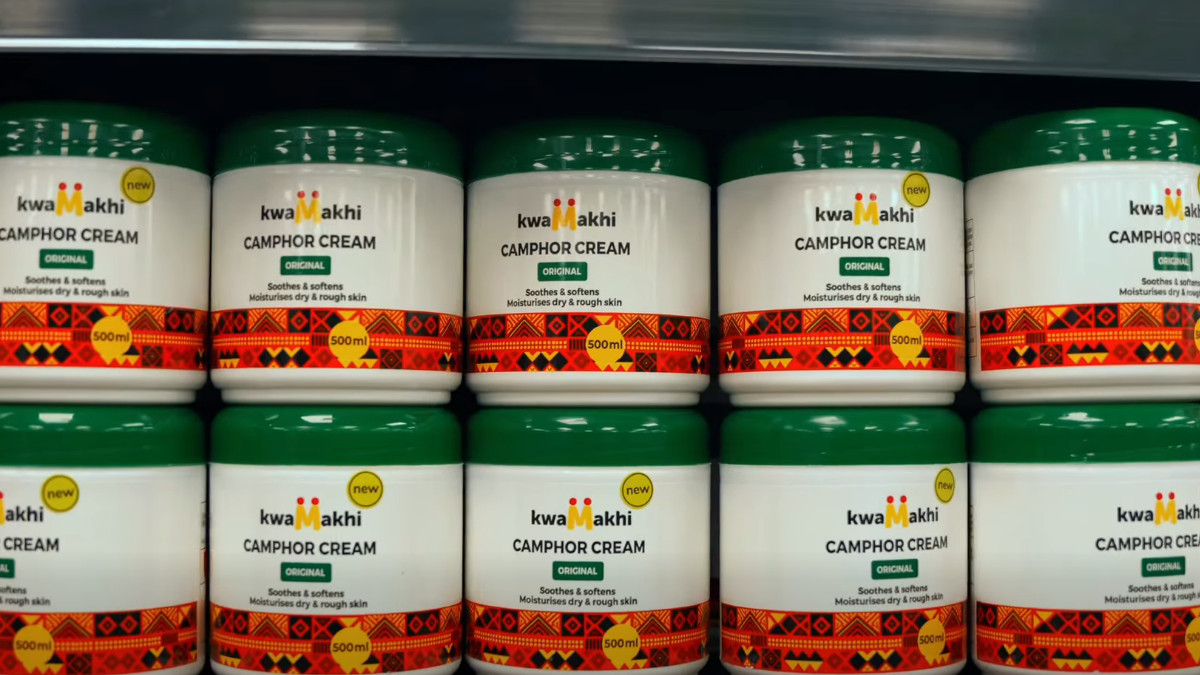
About 30% of the initial range is private label, potentially rising to 40%.
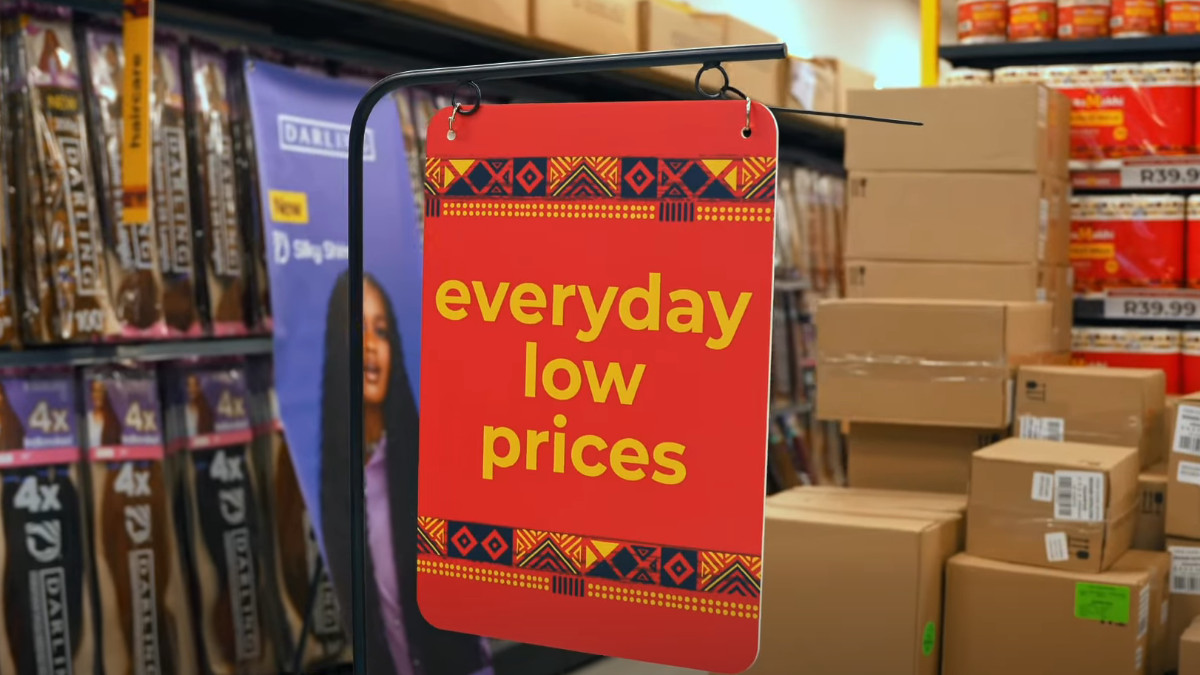
Unlike discount-heavy Clicks stores, KwaMakhi will use everyday low pricing, with smaller pack sizes aimed at customers who may not have cash for larger purchases.
Refill stations for products, including creams and other personal-care items, are planned to start around October.
Clicks has earmarked R30 million for an initial 10-store “discovery phase” through February.
Engelbrecht said front-shop stores can typically break even within a year, and profitability should improve when KwaMakhi starts using Clicks’ distribution centres after a warehouse-system upgrade early next year.
Still, formal retailers need authorities to do more to ensure rivals play by the same rules, such as enforcing product standards, minimum-wage requirements and taxes, she said.
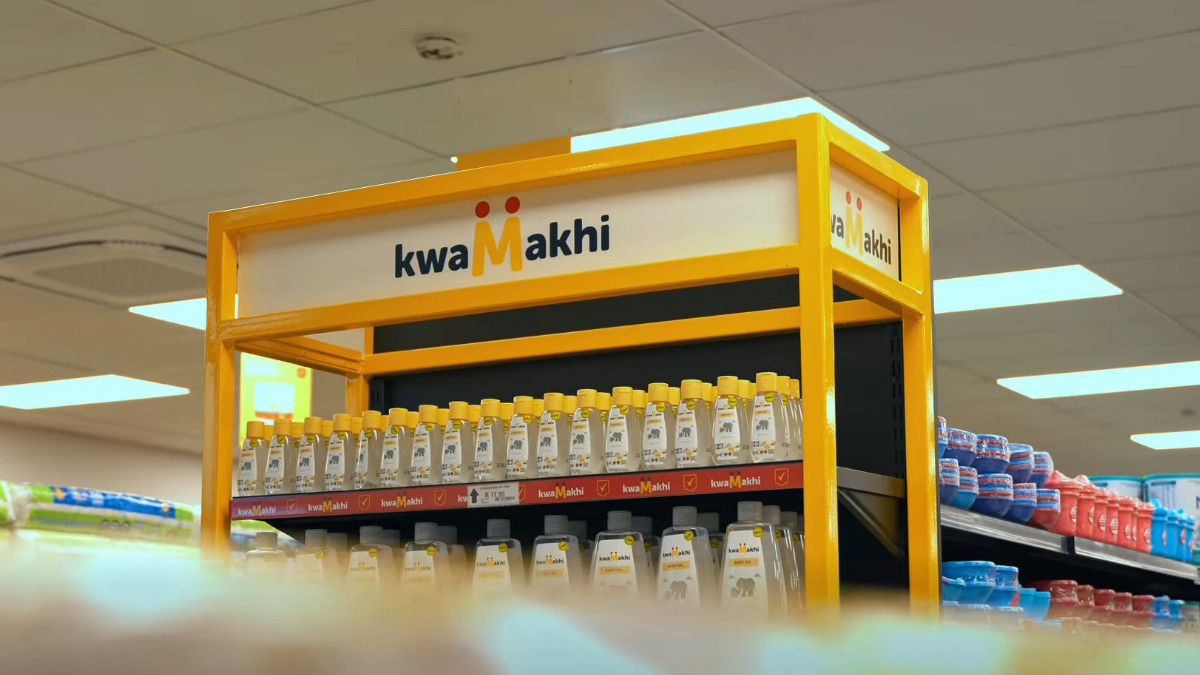
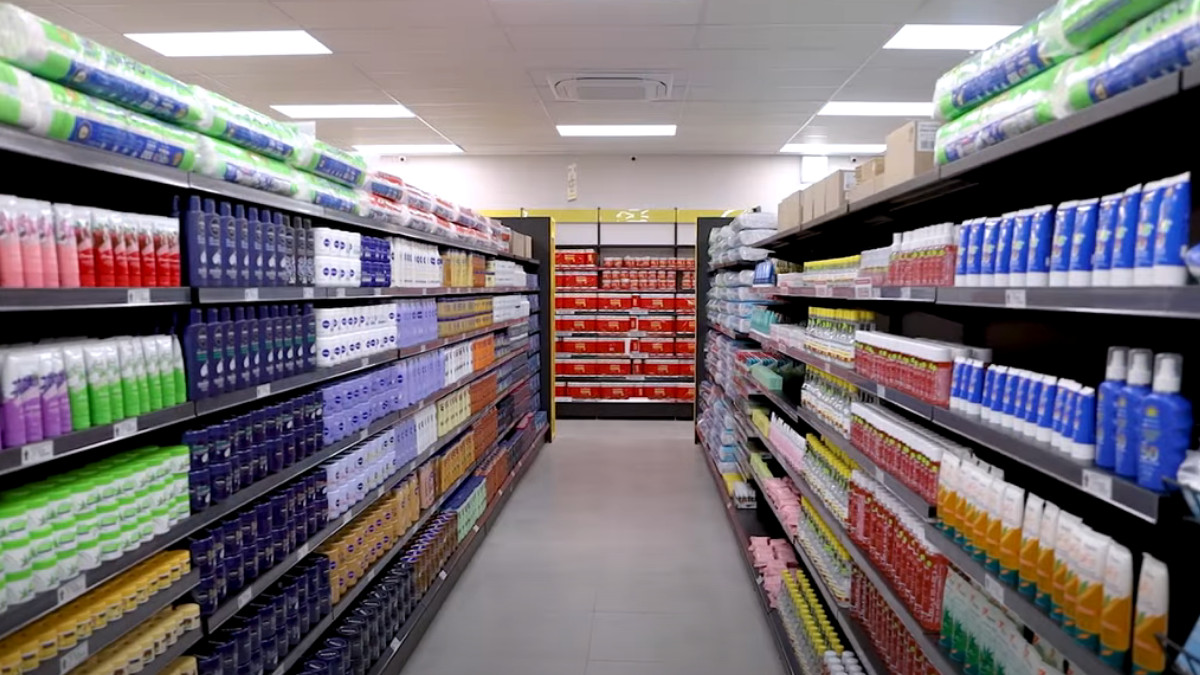
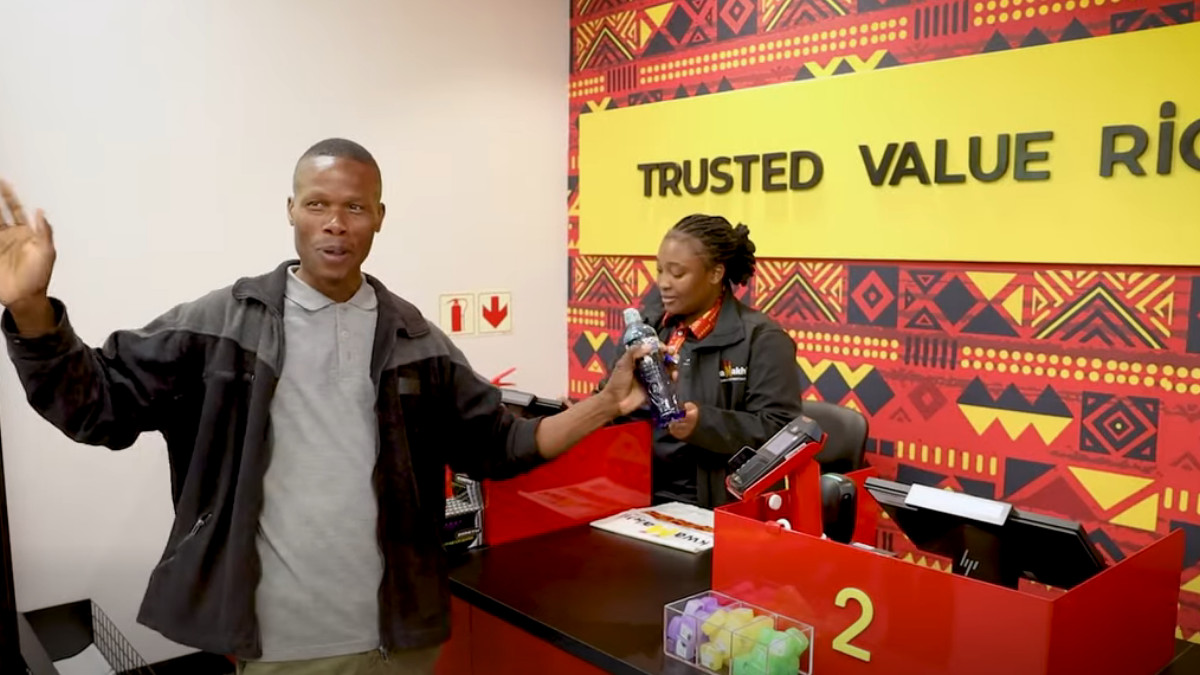
Images of Kwamakhi















 Loading ...