

Two men who started a R470 million empire in South Africa, and then were doomed to sell it


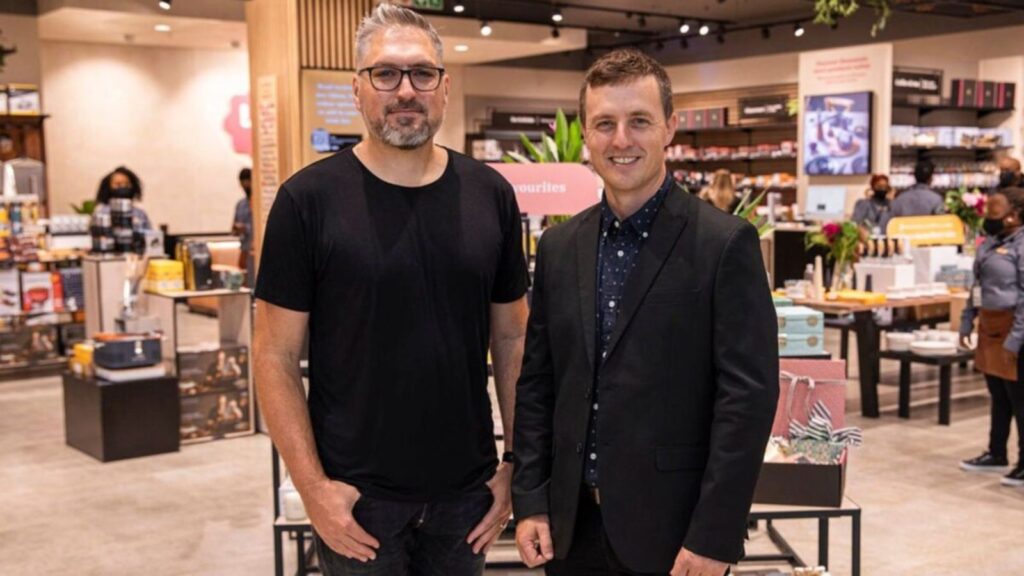
Andrew Smith and Shane Dryden grew Yuppiechef into a household name in South Africa, but deals made at the start of the business left them little choice but to sell it years later.
Yuppiechef started as a small e-commerce business in 2006, while its two founders were working in web development.
While they were developing software and intranets for other companies, Smith and Dryden wanted to use their skills to create their own website.
They started by creating a site selling electric fly swatters, which did not succeed, before settling on Yuppiechef.
The company was created to sell hard-to-find kitchen and homeware items to South Africans, with many international brands not being stocked by local retailers at the time.
In the beginning, most of the company’s sales were to family and friends, before the company got its first “real” customer – a lady named Denise.
In their excitement, the company attached a handwritten note to Denise’s order, thanking her for the purchase, a tradition that continued for all orders made on the site.
In an interview with Alex Hogg for Biznews TV, Smith explained what this order meant to the company.
“Here’s some stranger in 2006 who has gone to a website that she’s never heard of,” he said. “Now she’s trusting that what she bought is going to get to her.”
“There was an enormous sense of trust that our customers were putting in us.”
The company continued to grow in the coming years, with the founders not taking home any salary from the business for the first five years.
A turning point for the company came in 2011, when venture capital group Tiger Global Fund bought a 25% stake, which it increased in 2013.
The investment helped Yuppiechef grow, providing capital to hire new, specialised employees and pay suppliers.
Smith said that this initial sale was the reason Yuppiechef was sold years later, as an investor will eventually want a return.
With Yuppiechef constantly reinvesting its profits to expand, this return would inevitably come when the investor chose to sell his share of the company.
Yuppiechef is slowly sold
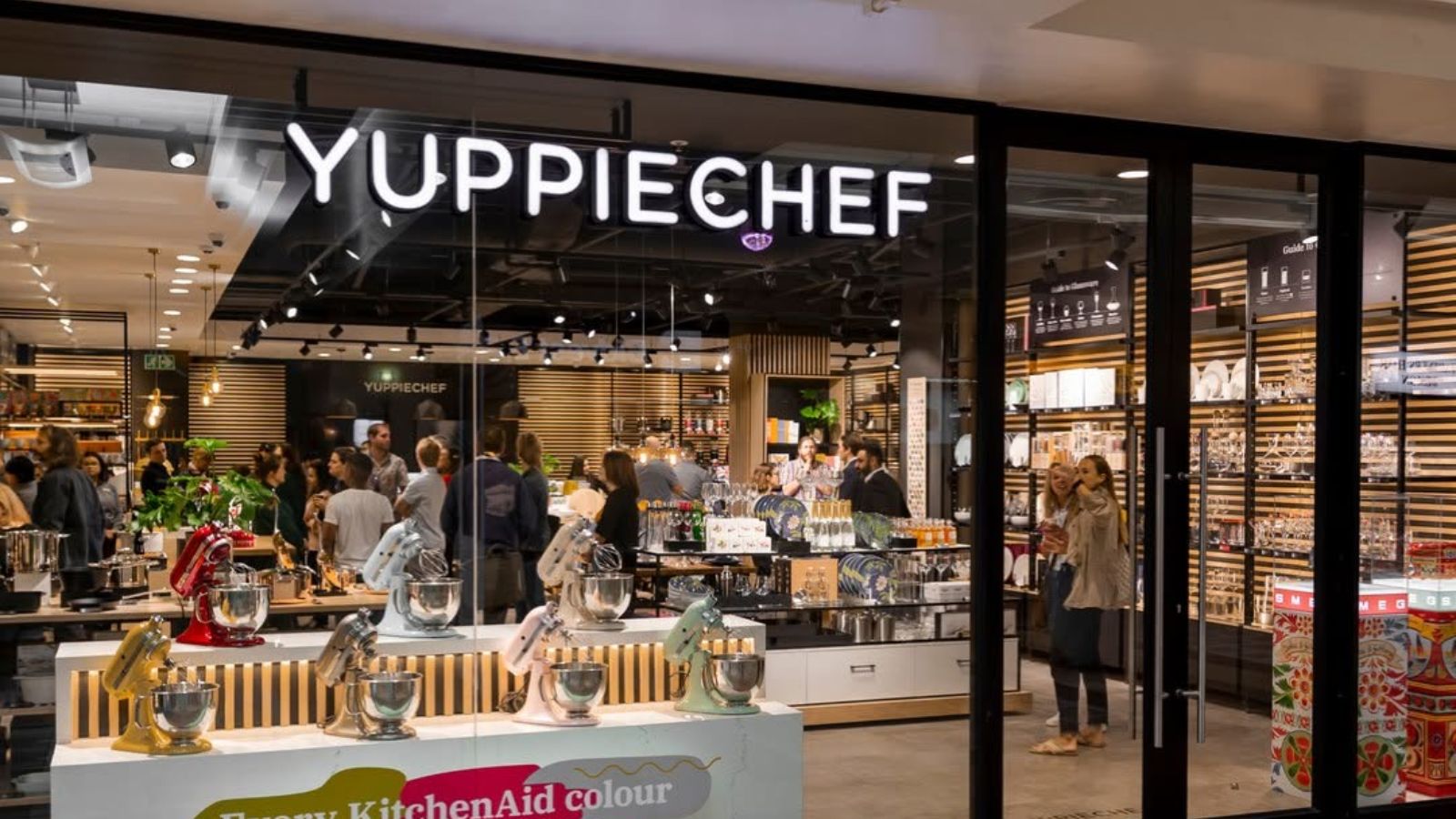
In his interview, Smith said Tiger Global Fund gradually lost interest in Yuppiechef and its South African investments as the company turned to other economies.
The fund slowly started to look for a buyer for its share of Yuppiechef, which stood at approximately 40% at the time.
Eventually, the fund found a buyer, but Smith and his partners did not want Yuppiechef to be attached to the business.
Despite their objections, Tiger Global Fund said the sale would go ahead, leaving the Yuppiechef team with 30 days to find an alternative buyer.
Smith and the other stakeholders in Yuppiechef had the “right to first refusal”, meaning if they could raise the capital themselves, they could buy Tiger Global Fund out and prevent the other buyer from joining the company.
While they could not afford to buy these shares themselves, Sam Paddock stepped in as an investor to purchase them.
Paddock had previous entrepreneurial experience, co-founding the online education company GetSmarter, which was later sold for over $100 million.
While Paddock had stepped in and given Yuppiechef a lifeline, he expected large returns from his investment.
Smith said that Paddock expected his investment to increase tenfold within five years, with stipulations safeguarding his investment.
Ultimately, Smith and his partners chose to sell Yuppiechef to the Mr Price Group in 2021 for approximately R470 million.
While the company’s full sale came only in 2021, Smith said it was always going to happen after they sold their initial 25% stake to Global Tiger Fund in 2011.
“People say, ‘Why did you choose to sell the business?’ and I say, ‘We chose to sell it in 2011,” he told BizNews.
Smith and Dryden, Yuppiechef’s founders, eventually resigned from the company in 2022, nine months after the sale of their company.















 Loading ...