

Sun City owner forces company to change its name, and 60 schools shut down for good in South Africa


The South African rand weakened on Monday as renewed supply disruptions in the Middle East pushed oil prices higher, increasing pressure on the currency.
Investors are also looking ahead to the US Federal Reserve’s policy meeting later this week for insights on the interest rate outlook.
The rand was trading at 16.3175 against the dollar, down roughly 1.1% from its previous close.
Oil prices surged more than 3% on Monday following new strikes on Saudi Arabian energy infrastructure and attacks on ships in the region, which heightened supply concerns.
This situation has negatively impacted the South African currency, as the country is a net importer of oil and therefore susceptible to rising crude prices.
Investors are closely monitoring Wednesday’s Federal Reserve decision for indications regarding the interest rate outlook and whether the pressure on the rand may escalate.
“The more critical signal on Wednesday won’t just be the likelihood of a 25 basis point hike; it will be the guidance that follows,” said ETM Analytics.
“Chair Kevin Warsh needs to convince the markets that the Fed remains committed to fighting inflation, even as oil prices increase.”
On the Johannesburg Stock Exchange, the Top-40 index was last down 1.3%. South Africa’s benchmark 2035 government bond also weakened, with the yield rising by 6.5 basis points to 8.8%.
On Tuesday, 15 September 2026, the rand was trading at R16.30 to the dollar, R21.98 to the pound, and R18.80 to the euro. Gold is trading at $4,300.38, while oil prices were at $107.5 a barrel.
5 important things happening in South Africa today
Company forced to change its name: Sun International has won an order requiring Times Square Hotel to change its name due to confusion with Sun’s Time Square trademark, according to the Companies Tribunal. [Business Day]
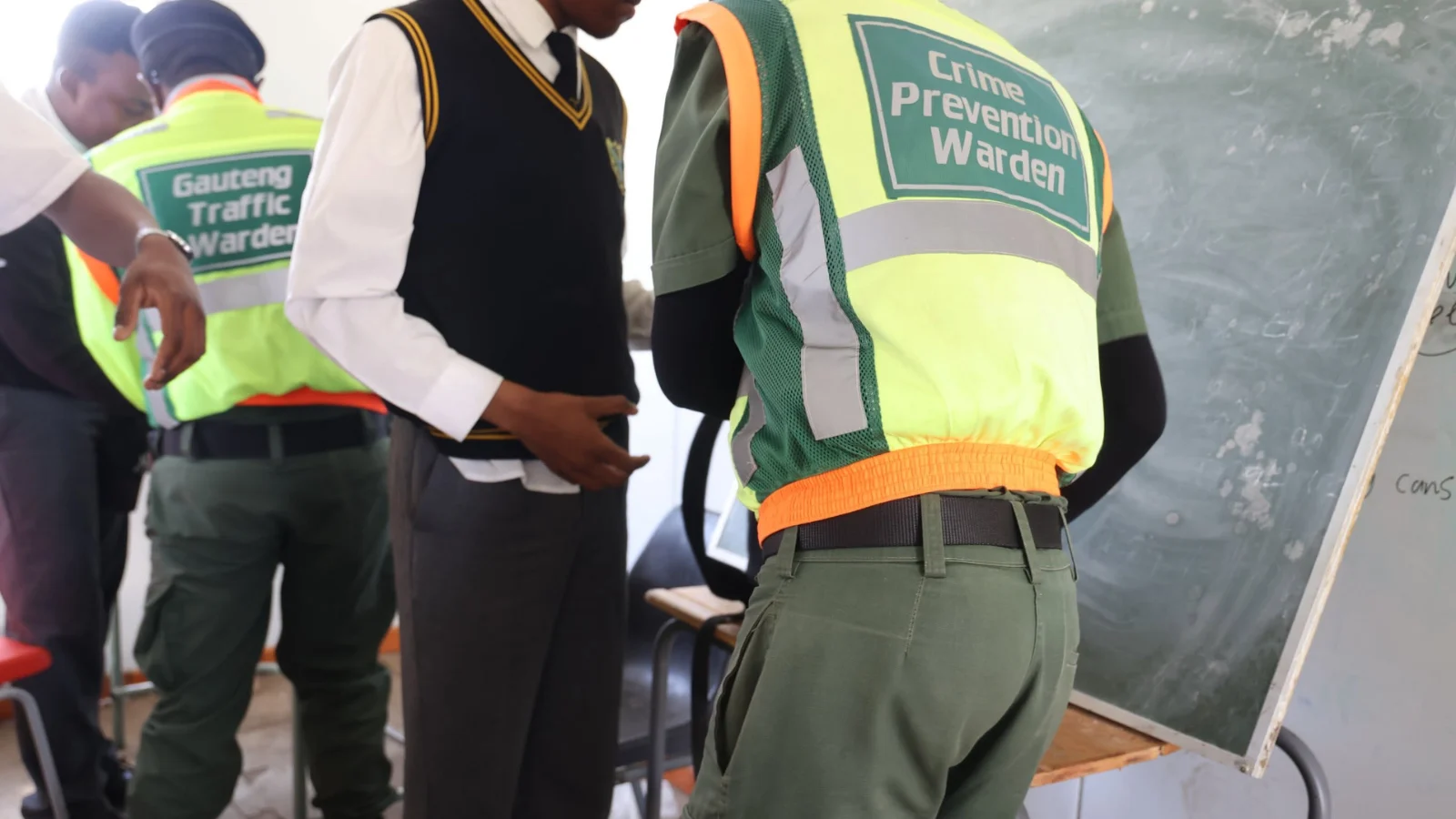
60 schools shut down: More than 60 illegally operating schools have been shut down in Gauteng since January as the provincial education department steps up efforts to protect learners from unregistered schools. [Daily Investor]
Uber is illegal: South Africa’s largest e-hailing operator, Uber, has been operating locally without a legally required registration certificate for nearly six months. The country’s ride-hailing sector operated in a legal grey area for over a decade until the National Land Transport Amendment Act (NLTA) took effect on 12 September 2025. [Mybroadband]
Changes to medical aid on the cards: The Council for Medical Schemes (CMS) has begun its critical review of Prescribed Minimum Benefits (PMBs) for medical aids in South Africa, aiming to transform them into a new Primary Healthcare (PHC) package. [BusinessTech]
Ford sends a warning to the government: Ford Africa’s Neale Hill has warned that local manufacturers need fair policies to compete with importers. He advocates for support programmes that protect local investments and promote job creation. [Engineering News]


















 Loading ...