

United States spends R450,000 on each South African refugee, and R1 billion down the drain


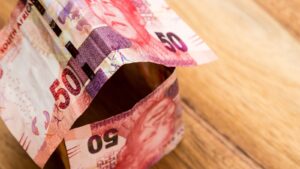
The rand weakened this week after the central bank raised its key interest rate. The move was aimed at steering inflation back toward the 3% target, especially after data indicated that headline inflation increased in August.
The rand was trading at 16.3975 against the dollar, which represents a decline of approximately 1.3% from its previous close.
The South African Reserve Bank (SARB) increased the key interest rate by 25 basis points to 7.25%.
SARB Governor Lesetja Kganyago emphasised the importance of returning inflation to the central bank’s 3% target, particularly as the pressure from rising fuel prices begins to subside.
FNB Chief Economist Mamello Matikinca-Ngwenya noted that rising oil prices and tighter global financial conditions have heightened the risk of imported inflation affecting broader price dynamics.
This is particularly concerning given the impact of higher fuel costs and currency depreciation. As a net fuel importer, South Africa is significantly vulnerable to fluctuations in global energy prices.
According to data from Statistics South Africa, headline inflation rose to 4.4% year-on-year in August. On the Johannesburg Stock Exchange, the Top-40 index closed down 1.7%.
On Friday, 25 September 2026, the rand was trading at R16.42 to the dollar, R21.70 to the pound, and R18.67 to the euro. Gold is trading at $4,267.55, while oil prices were at $105.70 a barrel.
5 important things happening in South Africa today
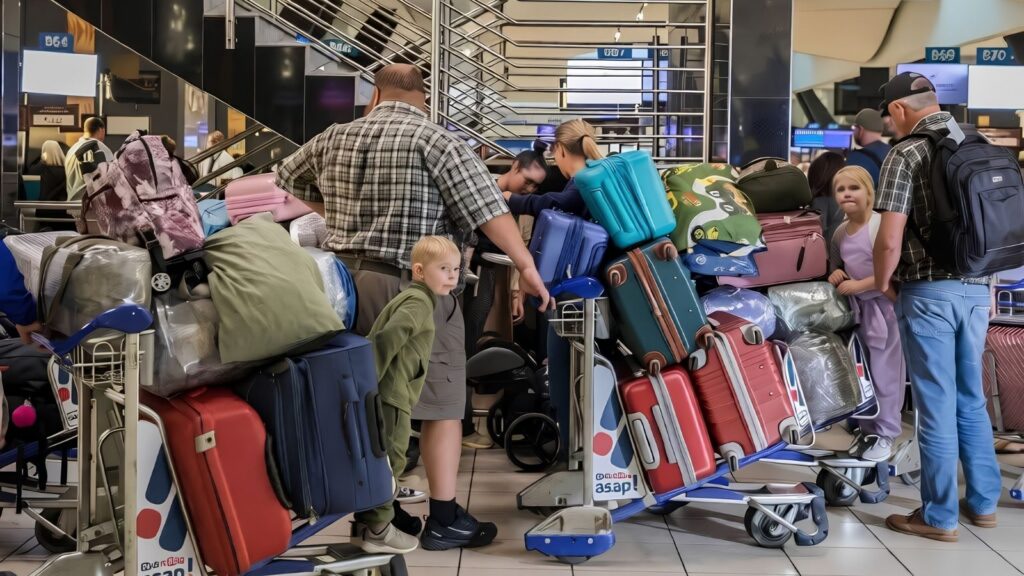
The cost to resettle South African refugees: CBS News reported that the Trump administration is planning to welcome 17,500 additional Afrikaners from South Africa as refugees over the next 12 months. The State Department said in its notice to Congress that the Afrikaner resettlement effort will cost the US government $500 million, equating to R8.1 billion, which is over R450,000 per refugee. [Newsday]
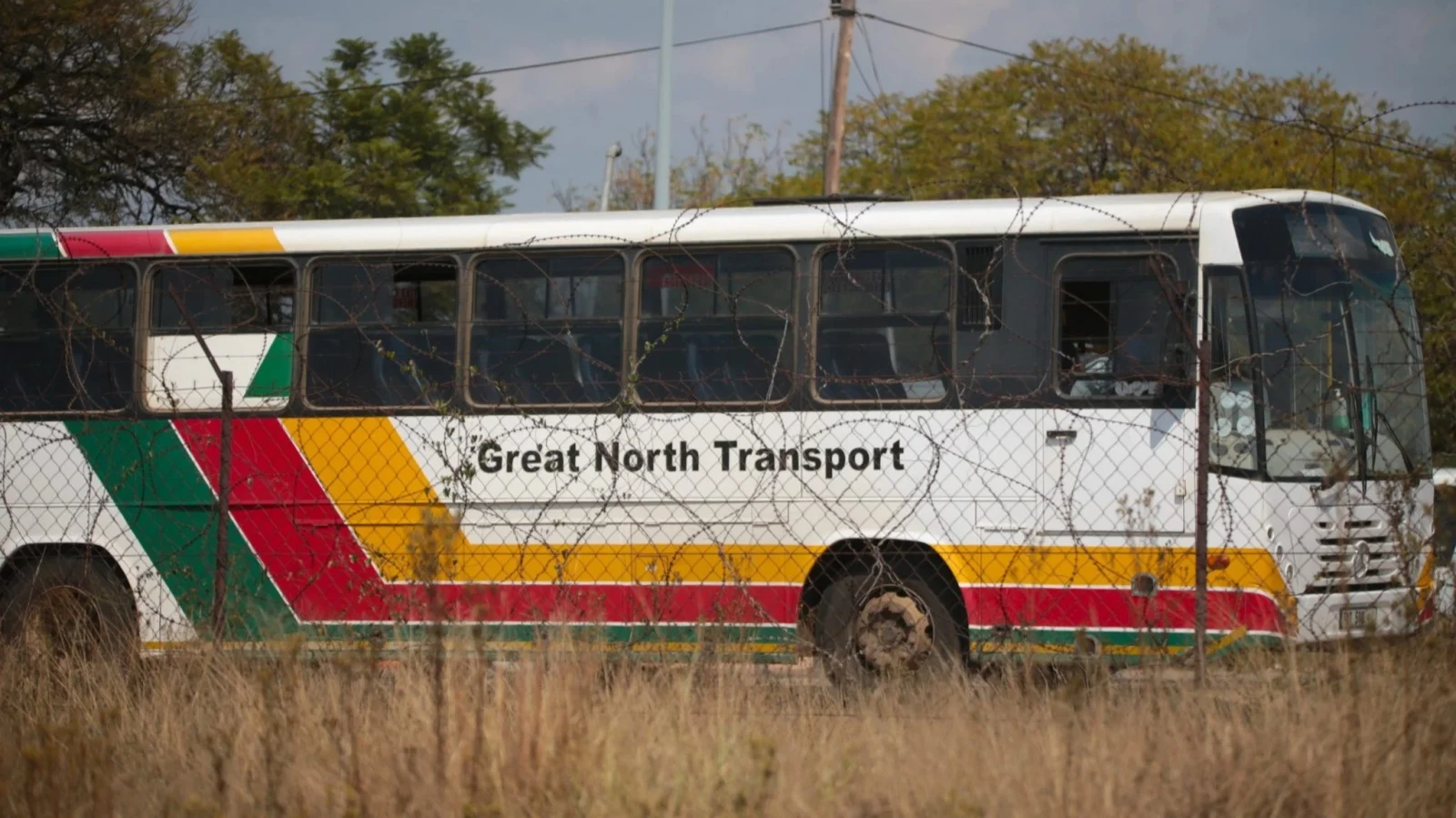
R1 billion down the drain: Great North Transport (GNT) has seen its operational bus fleet drop from 540 to 23 as of July 2025. Years of financial distress have severely reduced GNT’s operational capabilities, despite it receiving R1 billion in taxpayer-funded bailouts over the last decade. [Daily Investor]
SARS wants to change VAT forever: The South African Revenue Service (SARS) has published a consultation paper on its VAT modernisation strategy, through which it hopes to transform VAT administration into an intelligent, digital ecosystem. [MyBroadband]
Medicine shortage in South Africa: South Africa’s pharmaceutical industry says rising input costs are putting pressure on medicine supply, with shortages emerging as manufacturers struggle to absorb higher costs. [Business Day]
Ramaphosa’s message to South Africa: President Cyril Ramaphosa, in his National Heritage Day address in Oudtshoorn, called for South Africans to unite against gender-based violence. He emphasised the importance of drawing strength from cultural traditions to overcome challenges and build a better future, while acknowledging ongoing issues related to inclusivity and cultural democracy.
[EWN]












 Loading ...