

Government allocates R1.6 billion to child nutrition


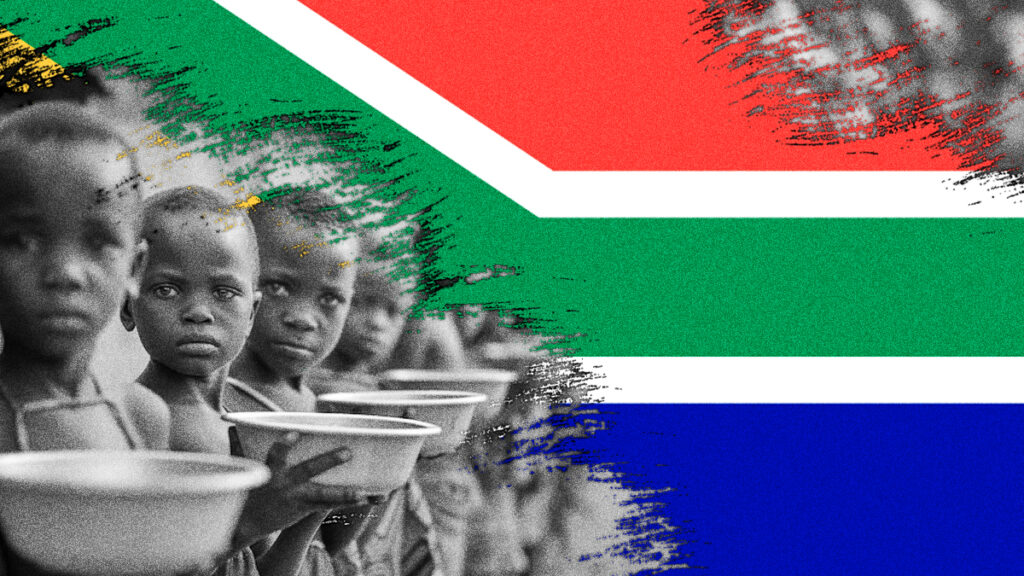
In the 2026 Medium Term Budget Policy Statement (MTBPS), Finance Minister Enoch Godongwana allocated R1.6 billion over the medium-term period for child nutrition.
The funds are specifically dedicated to prebirth maternal care and the first 1,000 days of a child’s life to help prevent malnutrition and stunting.
“Stunting and malnutrition deny our children from fully reaching their growth and learning potential,” said the minister.
The funding is intended to help prevent developmental issues that restrict the long-term physical growth and learning ability of children in South Africa.
According to data from the Children’s Institute at UCT, more than one in four children under the age of five suffer from stunting due to chronic malnutrition.
When a child experiences stunting, or is short for their age, their education and future employment prospects become limited, due to slower physical growth and brain development.
Research shows that stunted or overweight children are at a greater risk of developing diseases such as obesity, diabetes, and hypertension.
The research also indicated that exposure to malnutrition in the first 1,000 days of a child’s life can have an irreversible effect on long-term health and development.
The 1,000-day mark starts from conception to the child’s second birthday. Researchers have indicated that acting on this early to boost nutrition can reduce the risk of disease in the child.
The minister said that the budget continues to fund a social safety net that includes old-age, disability, child support, and other social grants covering 18.1 million beneficiaries.
Social wage spending accounts for a major share of the budget, comprising 60% of non-interest government expenditure.
More than 11 million households benefit from free basic services, including water, electricity, sanitation and refuse removal.
Godongwana highlighted that the budget also funds subsidised basic education, which covers more than 77% of school-going children, and provides them with daily meals through the National School Nutrition Programme.
40% of South Africa’s children live below the food poverty line

Earlier this year, research from the Children’s Institute at UCT indicated that nearly 40% of children in South Africa live below the food poverty line, in households where a caregiver earns less than R855 per month, or R29 per day.
The research showed that cheap, ultra-processed foods high in sugar, salt, and saturated fats have been flooding the country’s markets.
It suggests that these low-nutrient foods are playing a role in the rising numbers of obesity among children, with many children living in areas where healthy foods are unaffordable or inaccessible.
In many food-insecure households, caregivers or parents often skip a meal so their children can eat.
The Children’s Institute at UCT’s Children Count, which tracks child statistics in South Africa, revealed that three million children live in households where children are reported to go hungry.
It also showed that 27% of children under the age of five are stunted (too short for their age), while 13% of children under the age of five are overweight or obese.
The report revealed that 61% of children under the age of five suffer from anaemia due to micronutrient deficiencies in vitamins A, iron, and zinc, which are important for a child’s growth and development.
The research indicates that 13% of babies are born with a low birth weight, weighing less than 2.5 kg.
Alarmingly, research shows that there has been a 33% increase in severe acute malnutrition between 2020 and 2022 in children under the age of five years old.
Severe acute malnutrition (SAM) is a serious condition where a child’s weight is very low for their height.
Research by the Children’s Institute at UCT shows that this reflects the broader problem of malnutrition in South Africa. For every child with SAM, about 135 children are affected by stunting.
















 Loading ...