

Bad news for medical aid members in South Africa


Medical aid members in South Africa have seen a 74% increase in out-of-pocket expenses when accessing private healthcare, especially for specialist treatment.
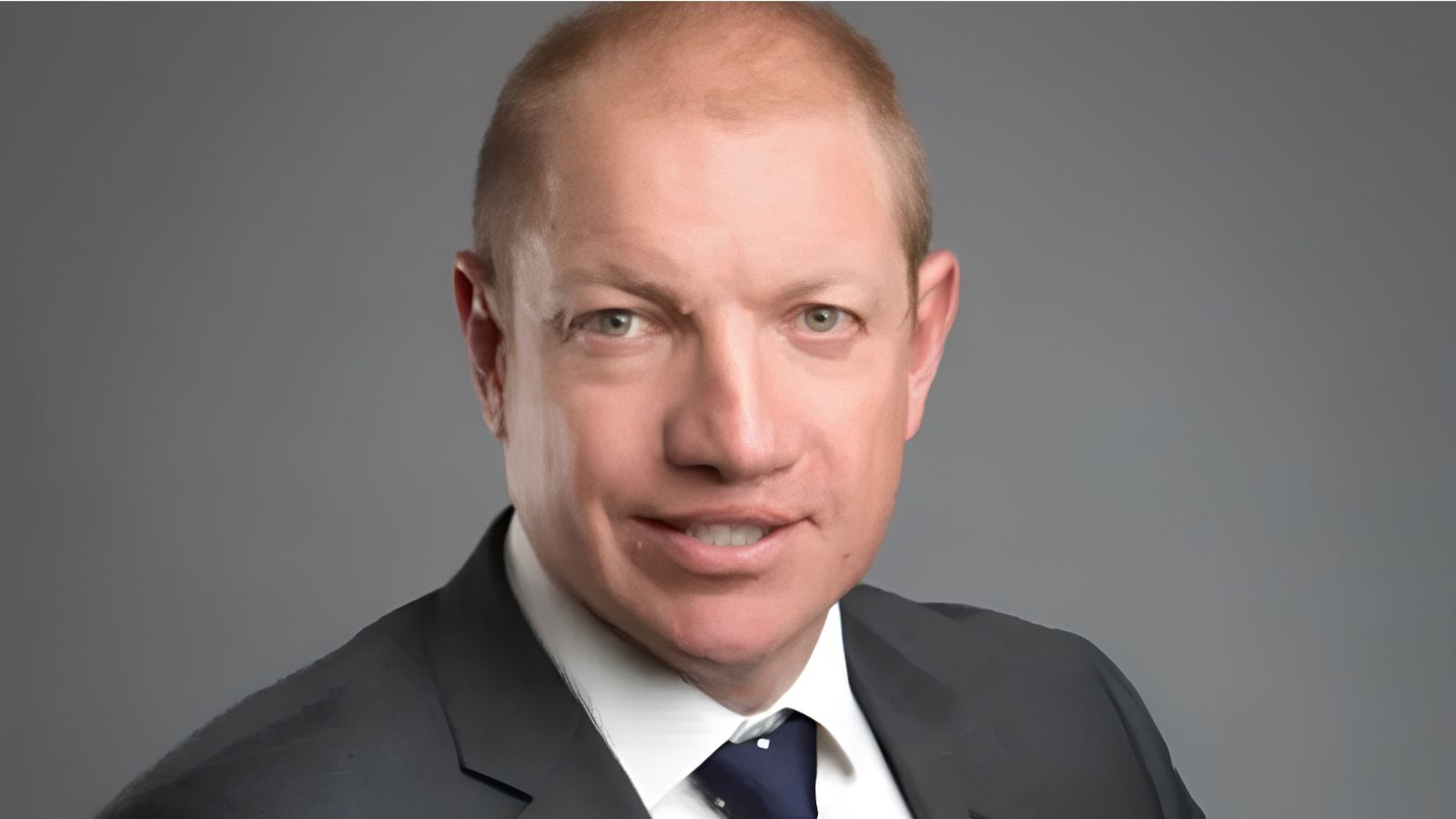
This is the feedback from John Jutzen, group chief executive of Kaelo, who said this is the result of several factors putting pressure on both medical schemes and healthcare providers.
“What we have is a compounding impact on both sides,” Jutzen said. He noted that South Africa has access to world-class private healthcare, but that this comes at a significant cost.
One of the main challenges is a shortage of specialists, meaning there are not enough practitioners to meet demand in the country.
“With any market where there is a shortage of supply, there is an increase in price,” he said.
He explained that medical schemes are facing pressure from an ageing population, which is making it increasingly expensive to provide the same level of healthcare cover.
This has resulted in schemes having to limit or compress their benefits to keep costs under control, while specialist fees continue to increase.
Jutzen said the cost of medical equipment and technology used in certain procedures also adds to the problem, particularly where equipment is priced in US dollars.
Kaelo’s research found that between 2021 and 2026, specialist fees increased by 50%, while medical scheme payments rose by just 24%. This pushed the typical shortfall on a specialist account up by 74% over the five-year period.
He said the same supply-and-demand pressures apply to specialists and the facilities in which they work.
“Specialists do have limited time, and theatres have limited time. They provide a really good service, but that comes at a cost,” he said.
The result is that medical inflation is running well above ordinary inflation, leaving members responsible for the difference between what their specialists charge and what their medical schemes cover.
Jutzen warned that these shortfalls can be substantial, particularly when members require more complicated procedures.
Massive financial pressure
He said some procedures can leave patients facing shortfalls of R20,000 to R50,000, while the gap on more expensive procedures can exceed R150,000.
This creates a significant financial challenge for households that have little disposable income after covering their monthly expenses.
Jutzen pointed to modelling showing that a typical earner may have approximately R850 left each month after paying their regular expenses. This is the amount they would have available to cover an unexpected medical bill.
This means that a R50,000 medical shortfall could take someone 50 to 60 months to fund if they attempted to pay it out of their monthly disposable income.
By that stage, a patient’s medical condition could have become considerably more serious. Despite this, only one in five medical aid members in South Africa currently has gap cover.
Jutzen attributed the low uptake to both affordability and a lack of awareness about the growing financial risks associated with specialist treatment.
Although gap cover has been available in South Africa for around 15 years, the sharp increase in specialist shortfalls is relatively recent, meaning many members may not yet understand its importance.
He also acknowledged that affordability remains a challenge, particularly for families already paying for medical scheme membership.
Medical aid members already face steep increases next year, with medical schemes announcing their contribution increases for 2027.
Fedhealth announced its increases on 15 September, with increases of 8% on myFED and 8.4% on flexiFED Savvy.
It said 60% of members would face an average weighted increase of 8.9%, while increases on some other options reach 13.5%, according to Curemed’s calculations.
Bestmed announced a weighted average increase of 7.35%, while Momentum Health announced an annual average increase of 7.9%.
Medihelp’s weighted average increase is 7.5%, and Discovery Health Medical Scheme’s is 8.2%.
Jutzen believes employers could play a greater role in addressing this problem by making gap cover a standard benefit for employees who are members of medical schemes.
He said workplace arrangements can offer better pricing and more comprehensive benefits because insurers have access to a larger pool of employees.
He argued that employers should apply the same reasoning to gap cover as they do to compulsory medical scheme membership for certain categories of employees.
“If everyone’s on gap cover, you get a much better price, and you ensure that everyone’s covered, which is the original principle that you set out to achieve as a corporate,” Jutzen said.


















 Loading ...