

Another headache for the Reserve Bank in South Africa


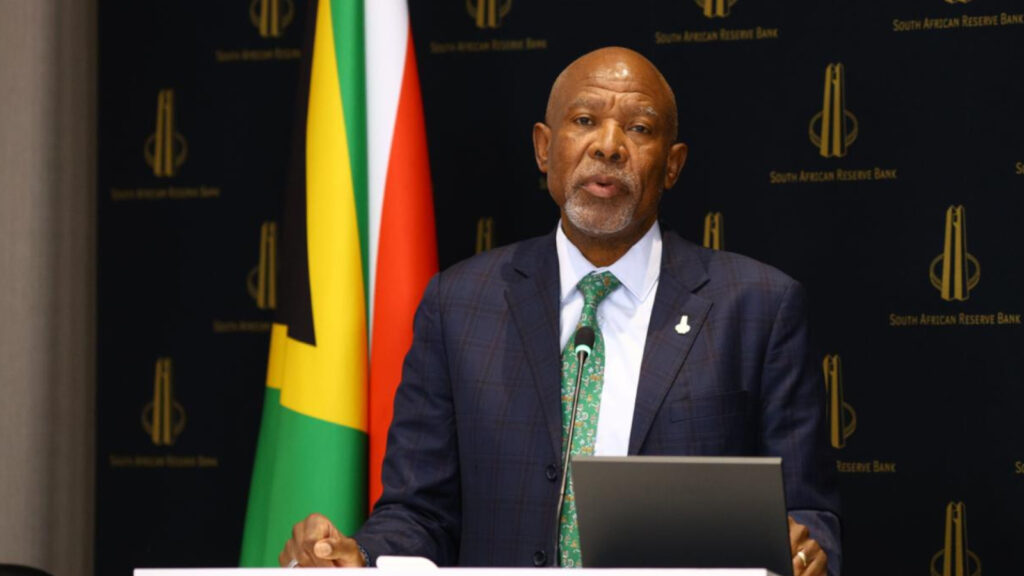
The South African Reserve Bank (SARB) has been battling against South Africa’s high energy costs, but it is now also preparing for a possible rise in food inflation.
Inflation in South Africa recently reached 5.0% in June 2026, and the SARB’s Monetary Policy Committee (MPC) surprised markets by keeping the repo rate steady at 7.0%.
Inflation was above the SARB’s 3% inflation target, but the central bank argued that a prior May hike was sufficient to keep inflation contained.
Notably, fuel price inflation accelerated to 12.7% during the month. Pump prices have risen dramatically following the war between the United States and Iran earlier this year.
While the headline print was 5.0%, annual food price inflation, which is the largest part of the basket, slowed to 1.4%.
Speaking at a media roundtable, members of the MPC, led by Governor Lesetja Kganyago, noted that food inflation fell as expected in June.
Notably, the war in the Middle East has increased fertiliser prices and impacted supply chains. Many synthetic fertilisers need fossil fuels to create nitrogen.
The rising costs come ahead of the planting season in South Africa and will feed into the costs. Kganyago said that fertiliser costs are elevated, but are coming down.
Costs will also vary by planter and depend on when they ordered their fertiliser, making it difficult to judge the overall trajectory of food inflation.
On top of the fertiliser challenges, an extreme El Niño is also expected in the coming months.
El Niño is a weather pattern caused by warming in the tropical Pacific Ocean and leads to drought conditions in South Africa.
This extreme weather is expected to have a severe impact on prices this year, with Kganyago stating that we should savour the low food inflation environment.
The Reserve Bank still, however, sees inflation sticking around 4% in 2026, which is at the upper end of its tolerance band.
Damned if you do, damned if you don’t
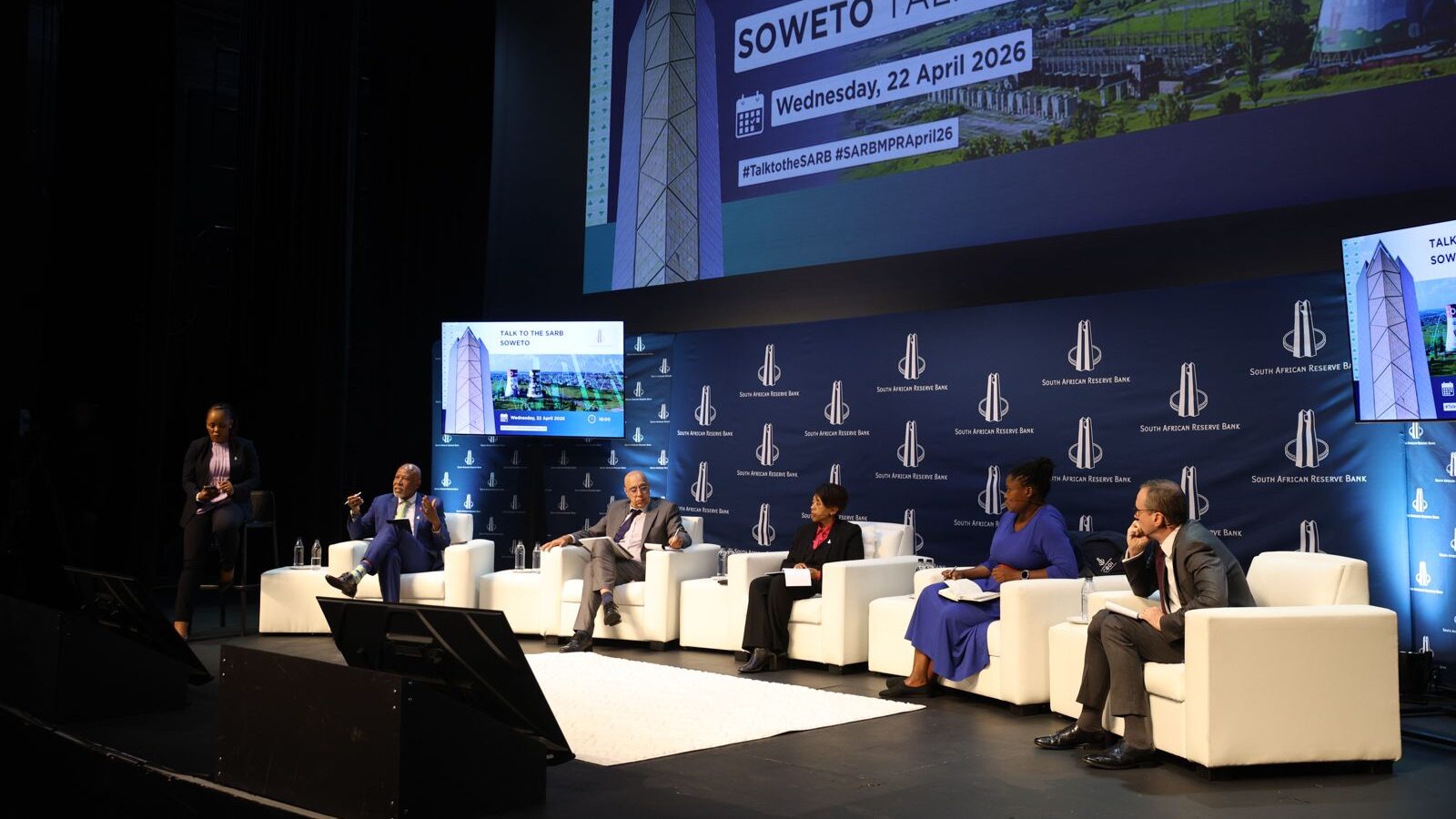
The SARB’s senior leaders also fielded questions about its ability to reach its 3% target through monetary policy while allowing for economic growth.
The MPC members noted that when it comes to interest rate hikes, they are “damned if you do, damned if you don’t.”
South Africa’s economic growth is expected to remain around 1% in 2026, following several years of muted growth.
Given that the nation’s population grows at around 1.5% per year, the nation is likely in a per capita recession.
However, the MPC members warned that allowing inflation to reach high levels would eventually lead to higher interest rates, which would be a stronger inhibitor of growth.
The SARB’s leaders have repeatedly stressed that South Africa’s government needs to implement economic reforms to boost growth.
It stressed that lower interest rates are simply not enough to ensure growth, and would result in a minute increase in short-term growth readings.
Kganyago said the MPC remains united in its decisions, even when there are splits, such as the 4-2 vote in its July meeting, as members openly discuss their decisions.
Kganyago added that a split between the members is often a signal to markets that the SARB itself is unsure what will happen in the current volatile environment.
Given that his term ends in three years’ time, the Governor noted that the SARB has a “strong bench” of potential replacements, but the President will ultimately decide his successor.
The MPC is also looking for a seventh member, with the Governor previously stating that he opposes a split vote, which would give him the deciding vote.











 Loading ...