

What NERSA doesn’t want you to know about electricity prices in South Africa


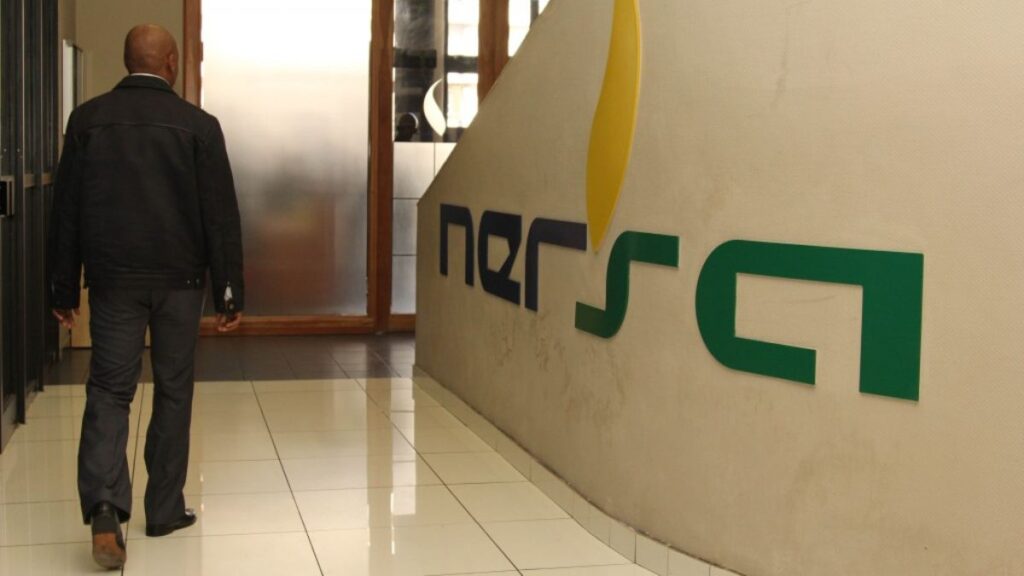
The National Energy Regulator of South Africa (NERSA) has argued in court that municipal customers have no right to know what councils pay Eskom for electricity.
Civil action organisation AfriForum challenged the approval of municipal electricity tariff hikes in court, arguing that submissions lacked proper cost-of-supply studies and sufficient public participation.
In its application, AfriForum requests that the energy regulator’s public participation process be declared invalid due to the lack of opportunities for the public to provide input.
It further requested that the court issue an interdict to ensure specified timelines for future public participation processes, to which three municipalities agreed.
“Nersa argued that cost studies do not need to be published with applications, as they are confidential, and that their technical nature ensures that only their expertise is sufficient to interpret them,” AfriForum said.
This prompted Judge Etienne Labuschagne to question how the public could be expected to provide valuable contributions without the necessary information—a question Nersa had no answer for.
Energy expert Ruse Moleshe questioned the NERSA’s stance that the public has no right to know how much municipalities pay Eskom for electricity before reselling it to residents.
“In other words, NERSA is saying that the public would have no right to know how much profit the municipality makes when it on-sells that electricity to consumers,” said Moleshe.
Moleshe noted that while there may be certain cases where information could justifiably be protected, South Africa’s laws generally favour openness, but it depends on what type of information it is.
“If it’s proprietary information that could impact other players in the market from a competition point of view, there could be an argument that only sanitised or aggregated data is released,” she explained.
“But in general, South Africa is a consultative democracy—that’s enshrined in our Constitution.”
Don’t get too optimistic about electricity costs

She added that the legislative framework already places obligations on municipalities to be transparent about their operations.
“Barring areas where there’s potential commercial sensitivity or competition-related issues, I would think councils have other duties to tell us anyway,” said Moleshe.
“Surely, entities like City Power have to publish annual reports in Johannesburg, and from that, we should be able to see what their electricity costs are.”
Moleshe noted that Eskom’s own pricing processes are relatively transparent compared to municipalities.
“If you look at Eskom’s multi-year price determination process, it’s quite clear how the formula is made and what information is considered,” she said.
“However, you wouldn’t necessarily get the fine details of individual contracts, and that’s why I say it depends on the specifics.”
She said that the current debate around municipal electricity tariffs forms part of a broader reassessment of how tariffs are calculated in South Africa.
“There’s a big study being carried out by Sedi on how tariffs are structured. The issue isn’t just about having access to electricity and avoiding load shedding—affordability has become the major problem,” Moleshe explained.
Despite ongoing efforts to reform the sector, Moleshe expressed caution about expecting rapid changes to electricity costs.
“I’m not as optimistic as the minister and others are. That’s because I’m aware of the capital requirements for maintaining and upgrading the infrastructure we have” she said.
“Under South African law, it’s a user-pays system. So while we might see some efficiencies and small cost reductions here and there, overall, I don’t foresee a big bang impact on prices.”

















 Loading ...