

FNB CEO has good news for South Africa


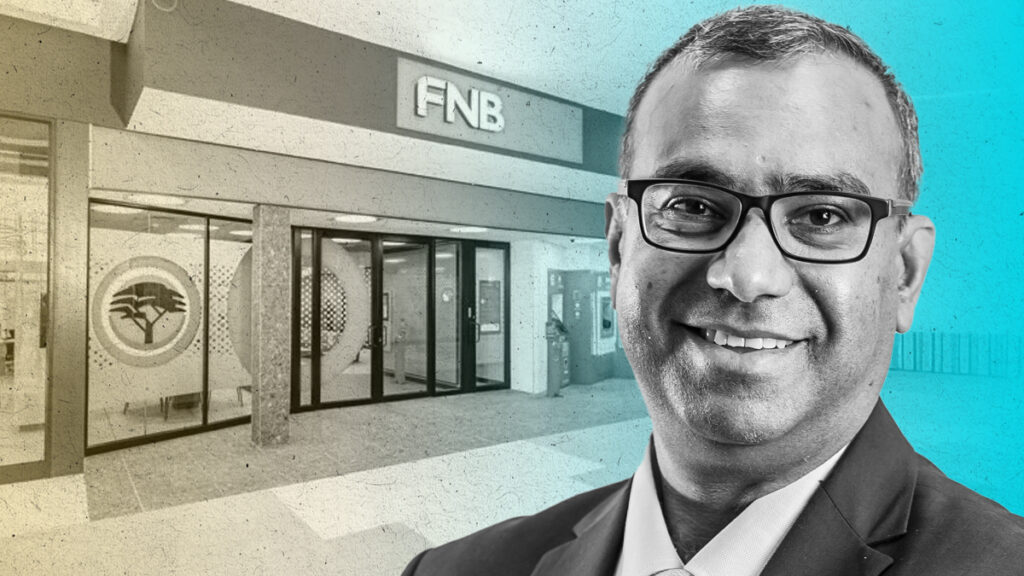
First National Bank CEO Harry Kellan says South Africa’s economy should continue to improve despite the South African Reserve Bank’s (SARB’s) decision to keep interest rates on hold, with cuts still expected in 2026.
The Monetary Policy Committee (MPC) of the SARB decided to keep the repo rate steady at its January meeting, leaving it at 6.75% and the prime lending rate at 10.25%.
This comes despite inflation remaining close to the new 3% target range, improved economic growth outlooks and the rand’s strength against the dollar.
While many had hoped for an interest rate cut, with two members of the MPC even voting for a 25-basis-point cut, Kellan is optimistic about South Africa’s prospects for 2026.
“With the rand relatively stronger, fuel prices lower, and inflation pressures limited, our projections suggest a strong likelihood of further rate cuts later in the year,” said Kellan.
“This should help support business confidence and provide welcome relief for consumers as the year progresses.”
“While the outlook remains positive, we are keeping a close watch on global events and any possible impact on the local economy”
He warned consumers and businesses to remain mindful that unexpected global or local developments could still affect FNB’s outlook.
While tensions have eased over the last week, markets are extremely reactive to erratic moves from the current US administration.
Since the start of the year, the US has captured Venezuela’s leader, Nicolas Maduro, threatened to take over Greenland, and called for heightened tariffs on many of its key trading partners.
This heightened volatility has pushed gold prices to record highs, while the US dollar has weakened significantly. Relations between South Africa and the US also remain tense.
Positive developments back home

While global uncertainty remains highly elevated, positive local developments continue to weigh in South Africa’s favour.
“South Africa’s removal from the Grey List and the European Union’s high‑risk jurisdictions list is an important confidence boost at a time when global demand for our commodities is improving,” said Mamello Matikinca-Ngwenya, FNB Chief Economist.
“Prices for many of the metals we produce, including gold, silver and nickel, are rising sharply, strengthening the country’s financial position and export earnings.”
These developments also create a more supportive environment for investment and should help unlock increased employment in the mining sector.
The MPC’s decision to leave interest rates unchanged also underscores its efforts to ensure inflation is anchored at 3% over the medium term.
“Even as inflation could be softer this year and the recent slowing in surveyed inflation expectations to below 4% is supportive to the outlook, the MPC has chosen to be prudent,” said Matikinca-Ngwenya.
“This is because there are considerable price rigidities in the economy, and further narrowing of the gap between expectations and the target will require monetary policy to remain restrictive. This will soften the acceleration in activity and contain core inflation.”
She added that the MPC’s continued moral suasion on price-setters, the Treasury’s fiscal consolidation, and further traction in economy-wide reforms should reduce operating costs and lower investment risk in South Africa.
Quick successes in these matters, in conjunction with the process of lowering inflation, should support a faster lowering of borrowing costs in South Africa.


















 Loading ...