

Warning about petrol prices in South Africa


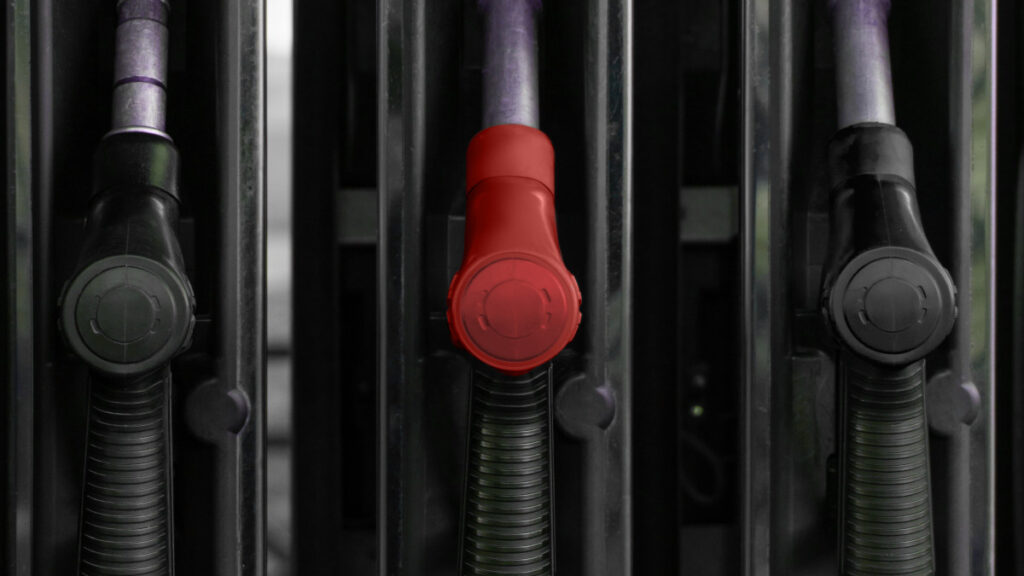
While lower petrol prices in South Africa are great news for motorists, the impact on inflation is limited because half the price goes to tax—and another tax hike may be coming.
According to Investec Chief Economist, Annabel Bishop, South Africa’s inflation print for December, at 3.6% y/y, was little changed from November, though still reflected a rise.
Inflation in January is expected to be around a similar rate, before dropping off to reach 3.0% in March 2026.
The reason for the rise in inflation at the end of 2025 was due to the base effects from 2024, she said. This has given the first quarter of 2026 a high base to start from.
Bishop noted that inflationary pressures in South Africa remain moderate.
However, things have been helped along due to the stronger rand—which reached R15.76/USD at the end of January, from R16.51/USD at the start of this year—which helped with lower fuel prices.
Petrol prices were cut by 65 cents per litre this week, though the cut was mostly due to a drop in international petroleum prices, which accounted for 37 cents of the cut. The stronger rand contributed 28 cents of the cut.
But even with a sizeable cut—the second for the year so far, after a cut in January—the impact on inflation is not as large as it seems.
“Oil is the largest of SA’s import categories by rand value, but the petrol price only has a tiny weighting of 3.8% in the CPI basket,” she said.
“Furthermore, half of the fuel price is made up of taxes and levies, which do not alter when the rand oil price does.“
Fortunately, the stronger rand does help contain inflation in other ways.
On a R0.50/USD appreciation in the rand, the CPI inflation rate drops by 0.1% y/y, Bishop noted.
If the rand averages R16.50/USD for a full year, CPI inflation is likely to come in at 3.1% y/y, or 3.0% y/y on a R16.00/USD average.
If the rand averages R15.50/USD over a full year, CPI inflation is likely to come in at 2.9% y/y for 2026.
“However, the figures depend on other factors not changing, not only the rand,” she said.
More petrol taxes on the cards

The other main driver of inflation in South Africa is food.
“Both international and domestic agricultural price pressures are key, along with the exchange rate, although domestic input costs can be the main driver,” Bishop said.
She noted that, while CPI inflation is expected to run close to 3.0% y/y for most of this year, food and fuel prices are modest domestically and internationally, and remain a risk to the inflation outlook.
She warned that both have historically experienced substantial fluctuations, which have impacted inflation.
On the food front, meat price inflation has been accelerating rapidly in South Africa on foot and mouth disease (FMD), reaching 12.6% y/y in December, up from -0.4% y/y a year ago.
Meat prices are expected to increase even further, with some economists pointing to double-digit inflation persisting until at least April 2026.
And for petrol prices, motorists should look to the 2026 budget being tabled later this month, where the tax burden in the pricing may get even heavier.
“(The Budget) will increase sin taxes as usual, a seasonal event placing pressure on inflation upwards,—while increases in fuel levies risk wiping out the 30c/litre petrol price cut that is building already for March,” Bishop said.
South Africa’s fuel tax was hiked by 15 cents per litre in the 2025 budget as the National Treasury sought additional revenue to offset the loss of a planned VAT hike.
Fuel taxes had been frozen since April 2022. With the hunt for revenue continuing, another tax hike may be on the cards for 2026.

















 Loading ...