

Good news about interest rates in South Africa after United States peace deal


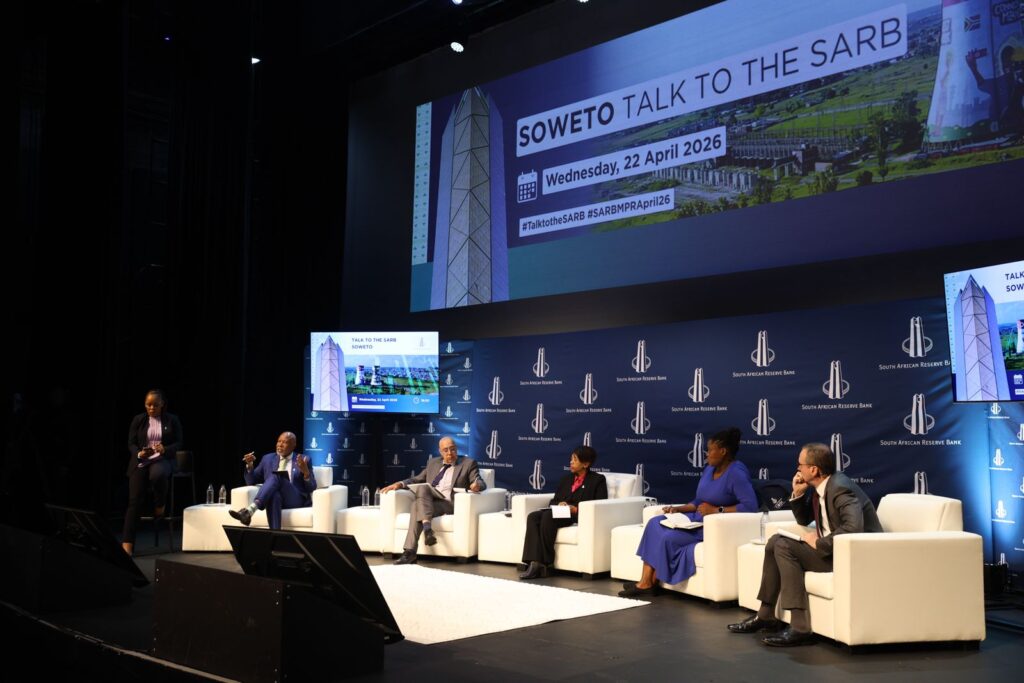
The peace deal between Iran and the United States could prompt the South African Reserve Bank (SARB) to change its interest rate path, but it says it will need to assess the stickiness of fuel price increases.
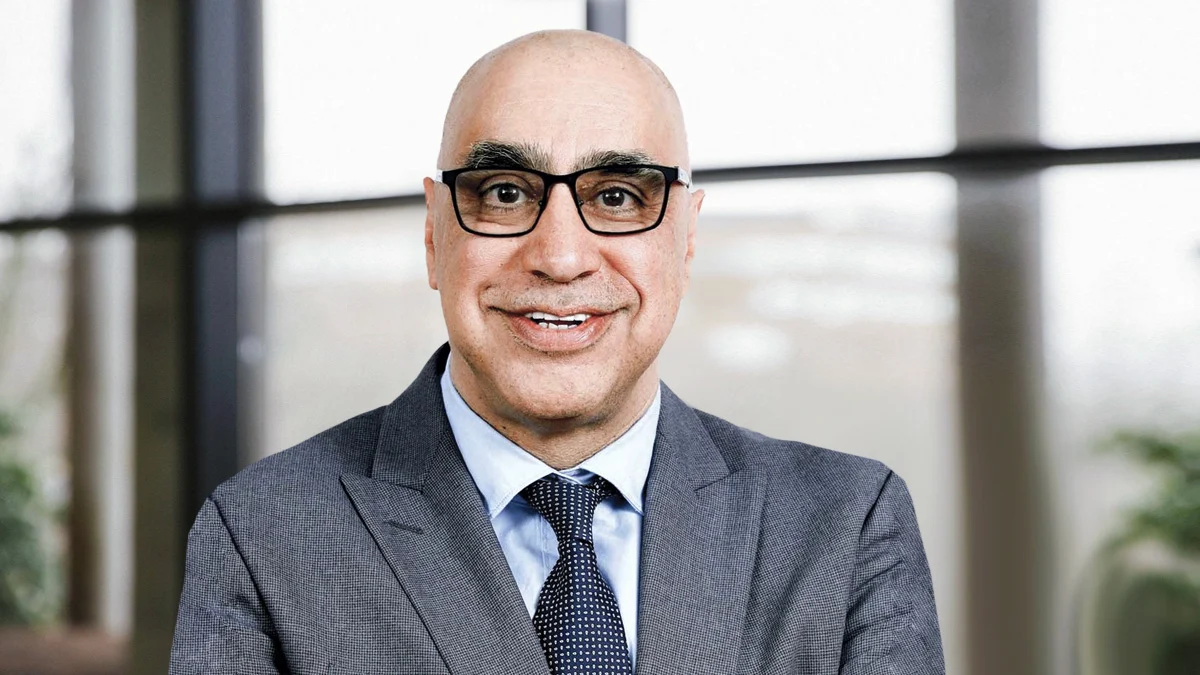
This is according to Deputy Governor Rashad Cassim, who told BusinessTech that the peace deal between the US and Iran could prompt the SARB to change its interest rate path, potentially leading to less tightening.
The SARB was widely expected to cut interest rates at the start of the year, with inflation hovering around the new 3% inflation target.
However, attacks from Israel and the US on Iran and the subsequent closure of the Strait of Hormuz led to a global oil supply shock, causing fuel prices to rise rapidly.
This caused inflation in South Africa to rise sharply, reaching 4.0% in April and 4.5% in May, up from just 3.1% in March.
This prompted the Reserve Bank to hike interest rates by 25 basis points at its May meeting, raising the repo rate to 7% and the prime rate to 10.5%.
SARB Governor Lesetja Kganyago warned that three further interest rate cuts could come through this year.
However, the US and Iran have now signed a temporary peace deal to end their conflict and reopen the Strait of Hormuz, through which 20% of the world’s oil flows.
While the situation remains volatile, market sentiment has shifted toward the view that the conflict is drawing to an end.
Cassim said the SARB had previously been concerned about whether oil prices would remain high or if the initial shock had subsided.
If inflation does start to decline, Cassim said it would make life much easier for the SARB’s Monetary Policy Committee (MPC).
Not out of the woods
While the peace deal may have been signed, the question remains over how sticky inflation is—a scenario where prices remain high and are slow to decline.
Cassim said that monetary policy is a poor tool for managing major price shocks and is instead useful for impacting how price setters act in the economy.
He said that if price setters are confident the SARB will maintain its 3% target, it will limit them from increasing prices excessively, which would be inflationary.
Food prices, which are the largest component of the CPI basket, are also facing upside risks.
Higher oil prices also increase the likelihood of higher fertiliser costs, further intensifying price pressures.
South Africa could also be affected by the El Niño weather event, which brings drought conditions. Cassim said that the MPC is also considering these drought-related risks.
He also explained that thinking of inflation in terms of real rates, i.e., interest rates minus inflation, can be a limiting view of monetary policy.
While South Africa has real interest rates of around 4%, the US has real interest rates of around 2% based on 10-year bond yields.
While this is in the SARB’s favour, Cassim said investors also need to consider currency depreciation.
For the SARB, the difference in rates becomes an issue when higher rates in less risky international markets lead to rand depreciation.










 Loading ...