

Ramaphosa announces massive private investment drive


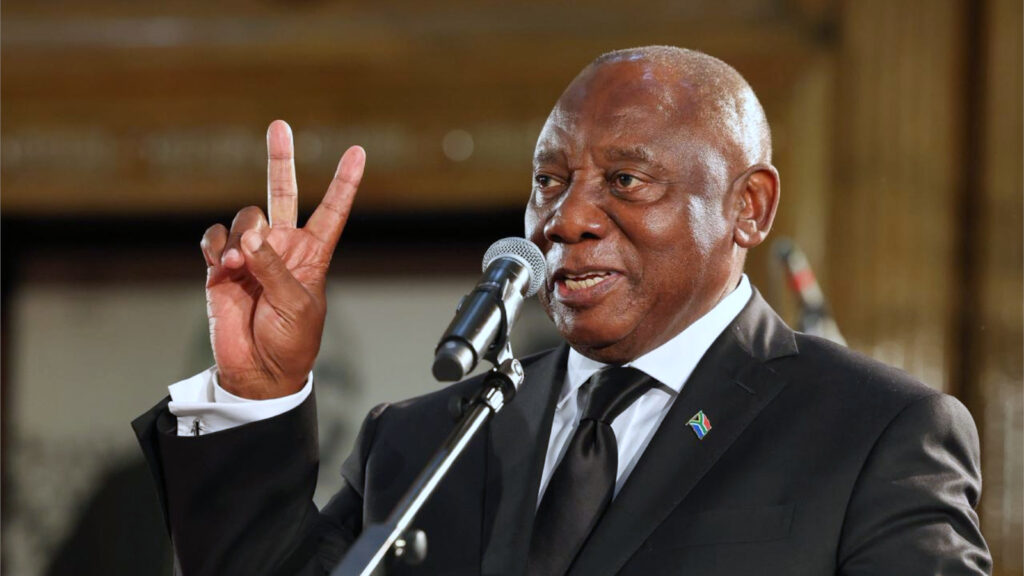
President Cyril Ramaphosa has set a target of mobilising R2 trillion in private-sector investment by 2028, following successful drives since 2018.
In his weekly letter to the public, ahead of the sixth South Africa Investment Conference (SAIC) in Sandton this week, the president outlined the government’s latest ambitions.
He noted that the country began its investment drive in 2018, aiming to attract R1.2 trillion in new projects.
In the years that followed, the government secured pledges in mining, healthcare, automotive, food and beverage, and other sectors.
At the end of the first five-year investment mobilisation drive in 2024, investment exceeded the target by 26%, securing pledges valued at R1.57 trillion.
“Over 300 projects were initiated, and to date, 161 of these have been finalised or are under construction,” the president said.
“The pledges have not been merely vague commitments and promises, but have materialised as tangible, brick-and-mortar projects that are creating jobs for our people.”
He noted key investment projects that have materialised in the country, including:
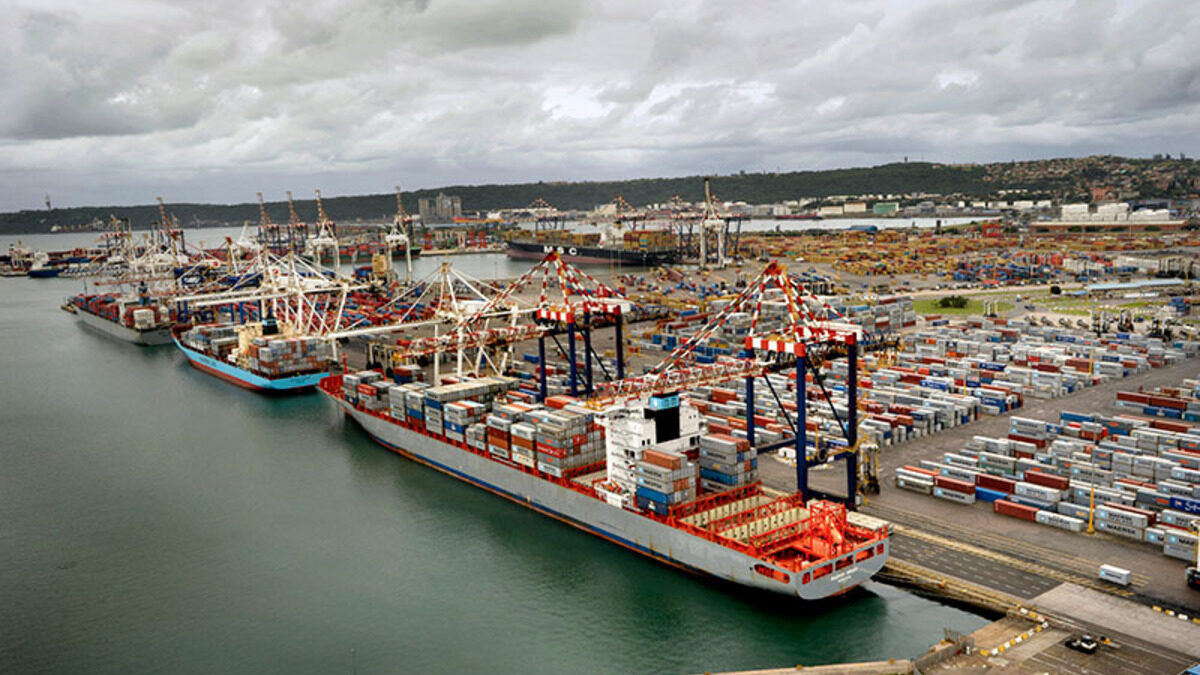
- The signing of a 25–year concession for the Durban Container Terminal Pier 2 in 2025, representing R11 billion in private investment.
- The opening of the Platreef Mine in Mokopane in Limpopo, emanating from a R2.8 billion investment pledge by Ivanhoe Mines.
- The development of the BMW plant in Rosslyn, Tshwane, where the automotive giant has invested R4.2 billion in electrification to produce the BMW X3 Plug-in Hybrid electric vehicle.
Ramaphosa said that the country is now prepared to showcase its renewed and more favourable position as an investment destination by extending the goal even further.
“We have set ourselves the goal of mobilising R2 trillion in new investments by 2028,” he said.
“Through this conference, as well as the five preceding ones, we will be seeking to build even greater confidence in our country as an investment destination, and to demonstrate our commitment to structural reform, policy certainty and policy execution.”
Reforms working
Underpinning the investment drive, Ramaphosa said that South Africa was turning the corner thanks to its reforms.
Through Operation Vulindlela (OV) in particular, the country has nurtured a sound policy and regulatory environment, “offering certainty to investors,” the president said.
The structural reforms through OV have unlocked progress in electricity, freight logistics, water, telecommunications, and the visa system.
The biggest success so far has been the effective end of load shedding, with a new, competitive electricity market being built to ensure energy security and attract investment.
Ramaphosa noted that the country’s logistics sector is next in line for rapid modernisation, enabling private investment in port and rail operations.
Specifically, the president pointed to a system for third-party access to the freight rail network being put in place, with 41 freight rail slots allocated to private companies.
Reforms to the visa regime have been implemented to attract new skills and promote tourism.
These include operationalising the Remote Work Visa, introducing a Trusted Employer Scheme to support major investors, and piloting an Electronic Travel Authorisation system.
Special visas like the MEETS visa (Meetings, Events, Exhibitions and Tourism Scheme) and STAGES visa (Screen Talent and Global Entertainment Scheme) have also been launched to boost investment.
While Ramaphosa talks up South Africa as an investment destination, international groups like the World Bank and the International Monetary Fund have repeatedly noted that the country needs action.
Reforms look good on paper, but they need effective and rapid execution to deliver the job creation and economic growth South Africa desperately needs to truly turn the country around.
Ramaphosa said that the “clear message” South Africa aims to deliver in the new investment drive is that the country is moving from pledges towards implementation.
“We remain committed to staying the course on fiscal discipline, to accelerating the momentum of the reform agenda, and to leveraging investment to build an economy that is inclusive, transformed and that benefits all,” he said.











 Loading ...