

Ramaphosa opens the floodgates


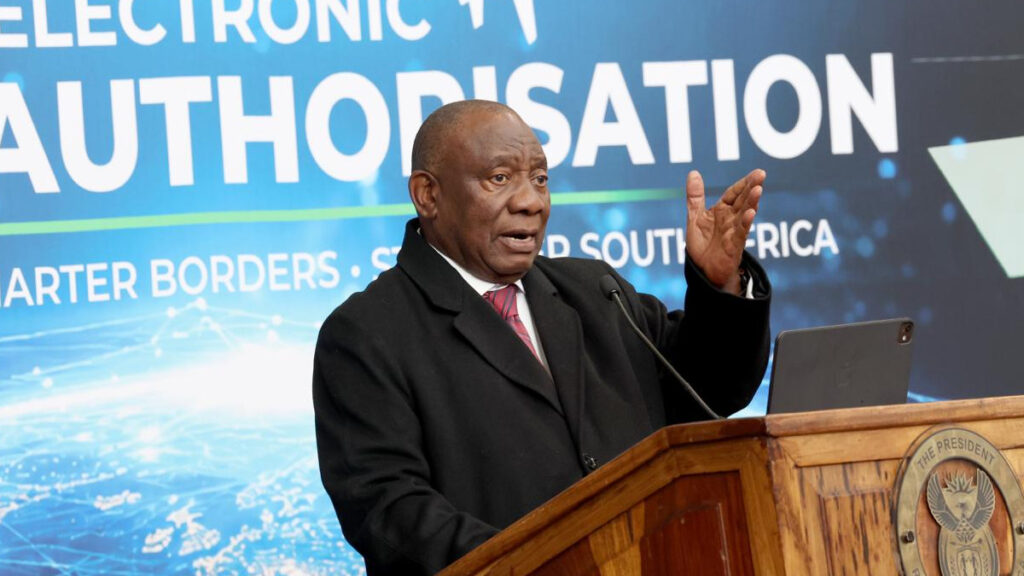
South Africa’s new Electronic Travel Authorisation (ETA) system has launched, with President Cyril Ramaphosa promising faster processing times for travellers, tighter security, and a wider channel to economic growth.
The ETA system is an economic initiative designed to attract more tourists, investors, business travellers, and skilled professionals while enhancing border security.
The new system acts as a digital travel permit, allowing eligible travellers to travel without a traditional visa and is intended to expedite boarding times.
It will enable travellers to complete applications and biometrics online, allowing them to fast-track through traditional immigration queues at the airport.
This digital immigration system was officially introduced at OR Tambo International Airport following a pilot programme for travellers from China, India, Indonesia, and Mexico, ahead of South Africa’s G20 presidency.
Home Affairs Minister Leon Schreiber said that the ETA system has processed 216,204 applications so far, identifying and rejecting 6,126 fraudulent submissions.
Travellers using the ETA will have their faces verified when leaving the country.
If a traveller is not recorded as having left within the authorised period, the department will warn them that they risk overstaying and may face prosecution.
Schreiber said that the next step is to integrate the ETA and the Electronic Movement Control System 2.0 (eMCS) with electronic airport gates.
This integration aims to reduce reliance on manual passport stamping and allow both South African citizens and foreign travellers using the ETA to be processed through e-gates using facial recognition technology.
The ETA is currently available at OR Tambo International Airport, Cape Town International Airport, King Shaka International Airport, and Lanseria International Airport.
The government has announced plans to expand this technology to land and seaports across the country.
Schreiber said that the ETA will enable legitimate travellers entering South Africa for up to 90 days to apply digitally for a further 90-day extension, as permitted under the Immigration Act.
He added that this extension facility could boost tourism revenues by allowing visitors to remain in the country without having to navigate the process of the previous extension process.
Opening the floogates for economic growth
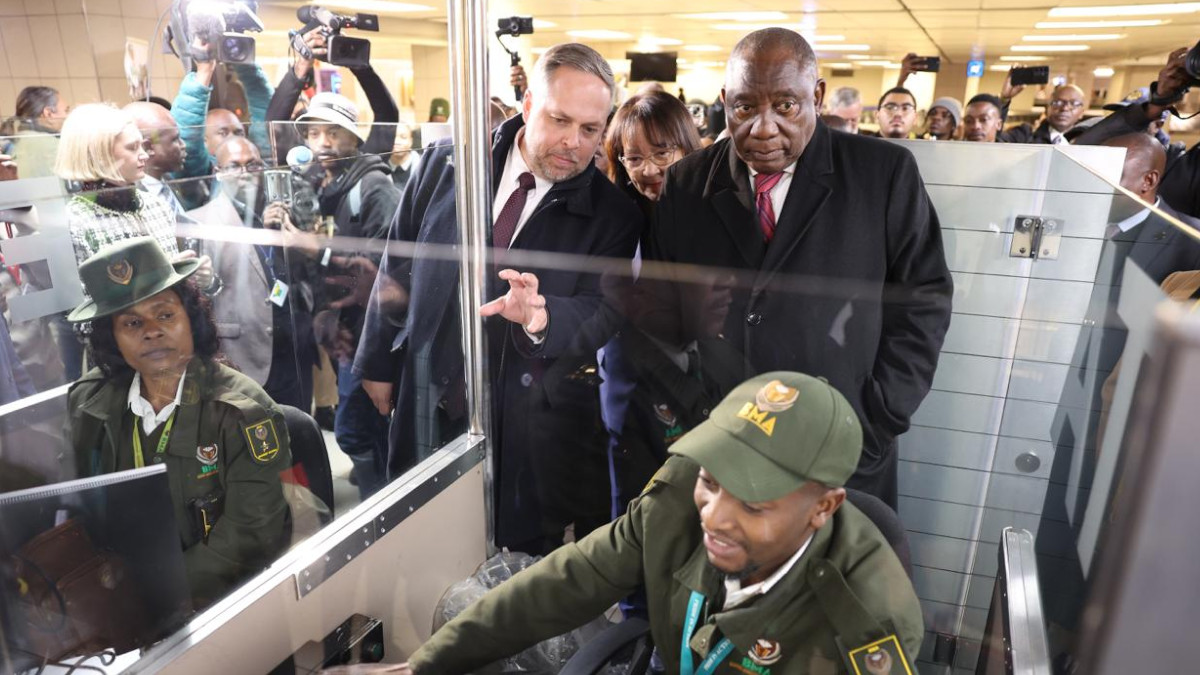
Ramaphosa said that the ETA is a key system underpinning not only the DHA’s digital transformation programme, but also a cornerstone of his administration’s goal of boosting economic growth.
The new technology is part of a major update to the immigration system, featuring better biometrics and an improved Electronic Movement Control System (eMCS 2.0).
The president said the digital system is designed to make travel to and from South Africa quicker, easier, and safer for legitimate travellers.
“This reform will enhance South Africa’s competitiveness as a destination for tourism, business and investment, while supporting more efficient and secure border management,” he said.
Ramaphosa added that the ETA should be regarded as an economic intervention, not just an immigration reform.
“Visa reform is not simply an immigration reform. It is an economic reform. It is a jobs reform,” he said.
He connected the ETA to the government’s broader structural reform initiative, Operation Vulindlela.
This initiative aims to eliminate barriers to economic growth in important sectors, including electricity, telecommunications, freight, rail, ports, and water.
He said that immigration reform is necessary because businesses have often complained that South Africa’s visa system makes it challenging for executives, managers, and specialists to enter the country.
The president explained that the ETA will help address these challenges while also enhancing the government’s ability to manage migration effectively.
The ETA will also tackle issues related to illegal immigration and border security.
He said the technology will enable the government to gather more information about travellers before they arrive in South Africa.
This will enhance the government’s ability to identify individuals who attempt to exploit the immigration system.
Ramaphosa said the government is now preparing to expand the system to additional countries.
Over time, digital processing will extend beyond visitor authorisations to include work visas, study visas and other immigration services, he added.













 Loading ...