

30-day Level 2 water restrictions hit South Africa’s capital – with higher prices for households


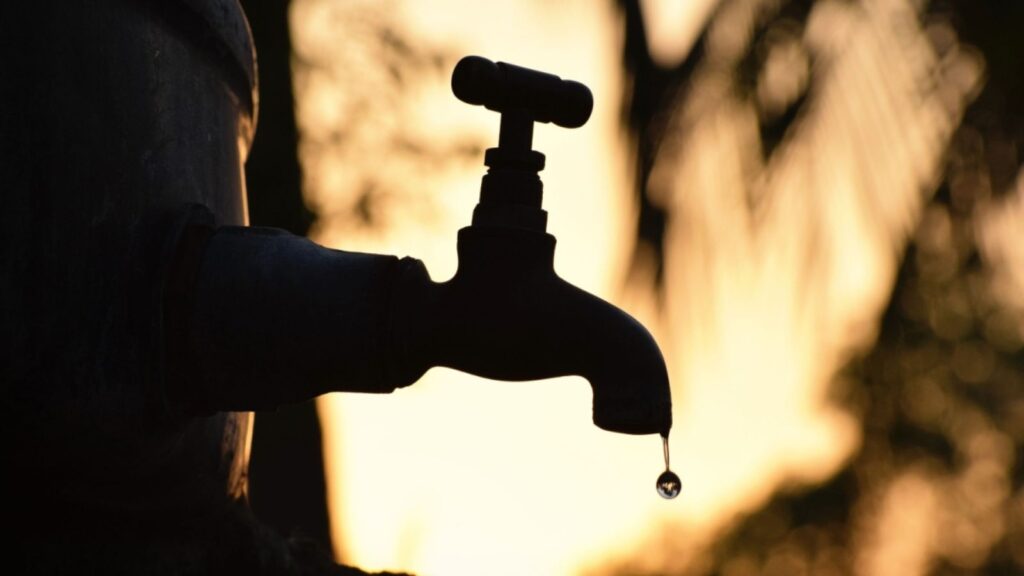
The City of Tshwane has announced an escalation of its water restrictions to level 2, which will result in higher tariffs for households that consume excessive water.
The city issued an alert to all residents, businesses, institutions and water consumers that Level 2 water restrictions will be implemented with immediate effect.
The restrictions will be in effect for an initial 30 days, with a possible extension if things do not improve.
This is in response to increasing water demand and declining bulk water storage levels within the Rand Water supply system.
“The City of Tshwane has noted increasing water consumption across its supply network, placing significant pressure on the available bulk water supply from Rand Water,” it said.
According to information communicated by Rand Water, the city’s water consumption during September 2026 was approximately 34% above its permanent licence allocation and 19% above its temporary licence allocation.
“Consequently, Rand Water has requested the city to implement measures to reduce its water consumption by approximately 200 megalitres per day,” it said.
Furthermore, the Gauteng Department of Cooperative Governance and Traditional Affairs has directed municipalities receiving water from Rand Water to urgently implement and enforce Level 2 water restrictions to safeguard the sustainability of the regional water supply system.
The city said that the current water supply challenges are primarily driven by demand exceeding the available treated water supply, rather than a shortage of water in the source dams.
In response to these developments, and in accordance with Section 18 of the Council-approved Tariff Policy and the approved 2026/27 water tariffs, the city will implement Level 2 water restrictions.
As a consequence of the Level 2 restrictions, households will face higher water tariffs.
This is intended to encourage responsible water consumption and discourage excessive use, the city said.
The restrictions will apply to water consumers across Tshwane in accordance with their applicable tariff categories and approved consumption bands.
Water tariff price hikes
| Monthly consumption | Level 1 tariff (per kl) | Level 2 tariff (per kl) | Increase (per kl) |
| 0 to 9 kl | Free | Free | R0.00 |
| 10 to 18 kl | R41.41 | R43.20 | R1.79 |
| 19 to 30 kl | R56.04 | R72.66 | R16.62 |
| 31 to 42 kl | R64.55 | R89.72 | R25.17 |
| 43 to 60 kl | R69.02 | R108.01 | R38.99 |
| Above 60 kl | R73.90 | Applicable approved tariff | To be confirmed |
For a household that consumes 43 to 60 kilolitres of water, bills can be expected to be 56.5% higher.
Additional provisions:
- Qualifying indigent households will continue to receive 12 kl of free basic water per month.
- Properties valued at R250,000 and below, as well as officially registered indigent customers, will receive the applicable network access charge exemption in accordance with the approved tariff policy.
- A network access charge of R203.70 per 30-day billing period remains applicable where prescribed.
- Other consumer categories will be charged in accordance with their respective approved Level 2 tariff structures.
All residents, businesses and institutions are urged to implement the following water-saving measures immediately:
- Avoid watering gardens and lawns using municipal drinking water.
- Do not wash vehicles using hosepipes. Use a bucket instead.
- Avoid filling swimming pools with municipal drinking water.
- Repair leaking taps, toilets, pipes and plumbing installations immediately.
- Avoid leaving taps running unnecessarily when brushing teeth, washing dishes or undertaking other household activities.
- Reduce showering time and avoid unnecessary water usage.
- Reuse greywater, where appropriate, for gardening and other non-drinking purposes.
- Report visible water leaks and bursts to the City through its official reporting channels.
- Businesses and institutions must implement internal water conservation measures to reduce their daily consumption.
The city said it will intensify the monitoring of water consumption and implement appropriate enforcement measures through its By-Law Enforcement Unit within the Tshwane Metro Police Department.
“Consumers are reminded that compliance with the city’s water services by-laws and applicable water restrictions is compulsory,” it said.
The Level 2 water restrictions will remain in place for an initial period of 30 days from the date of implementation and will be reviewed in accordance with prevailing water supply and demand conditions.
Any extension or adjustment of the restrictions will be communicated to the public through the city’s official communication platforms.













 Loading ...