

Major South African municipality’s plan to fine homeowners R5,000


The City of Tshwane is warning residents that they could face fines of at least R5,000 for violating new water restrictions, as the municipality seeks to reduce consumption amid growing pressure on its water supply.
The metro introduced Level 2 water restrictions on 12 November and reaffirmed their enforcement on 16 November.
The restrictions will initially remain in place for 30 days as Tshwane attempts to reduce demand and prevent further pressure on the regional water system.
According to the city, water demand currently exceeds its permanent Rand Water allocation by 34% and its temporary allocation by 19%.
Tshwane has been instructed to reduce consumption by 200 million litres per day to prevent the collapse of the Rand Water storage system.
Under the restrictions, residents and businesses are prohibited from watering gardens with municipal drinking water, washing vehicles using hosepipes and filling swimming pools with municipal water.
The Tshwane Metro Police Department is conducting inspections to identify contraventions, with fines starting at R5,000. Residents who fail to comply could also face criminal prosecution.
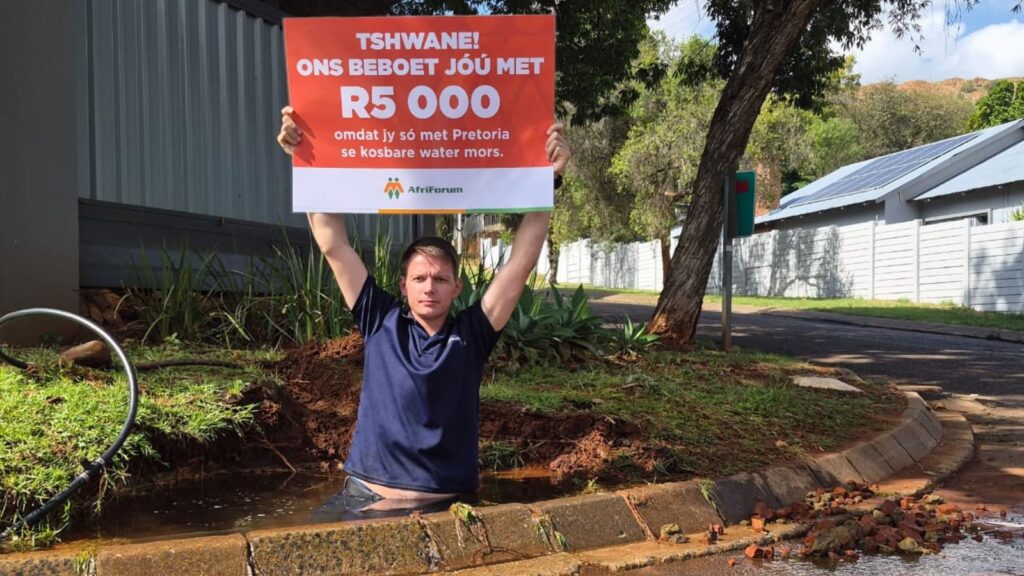
However, the enforcement measures have drawn criticism from civil rights organisation AfriForum, which argues that the municipality is applying double standards.
It argues that the city is doing this by holding residents accountable for water waste while failing to address substantial losses in its own infrastructure.
Llewellynn Hemmens, AfriForum’s spokesperson for Community Structures in Pretoria, said the organisation’s protest action highlights the contradiction in the metro’s approach to the water crisis.
“It is ironic that the Tshwane Metro holds residents accountable by issuing warnings and seeking to impose fines for alleged water wastage,” Hemmens said.
“ This, while it continues to lose enormous quantities of water through leaking pipes, inadequate infrastructure and poor maintenance.”
According to Tshwane’s audited financial statements for the 2024/2025 financial year, physical water losses cost the municipality approximately R1.36 billion.
The latest available figures indicate that these losses have since increased from approximately 31% to 35%.
Based on these figures, AfriForum estimates that the municipality is currently losing approximately R1.5 billion in water annually, equivalent to roughly R4 million per day.
Prioritise repairs
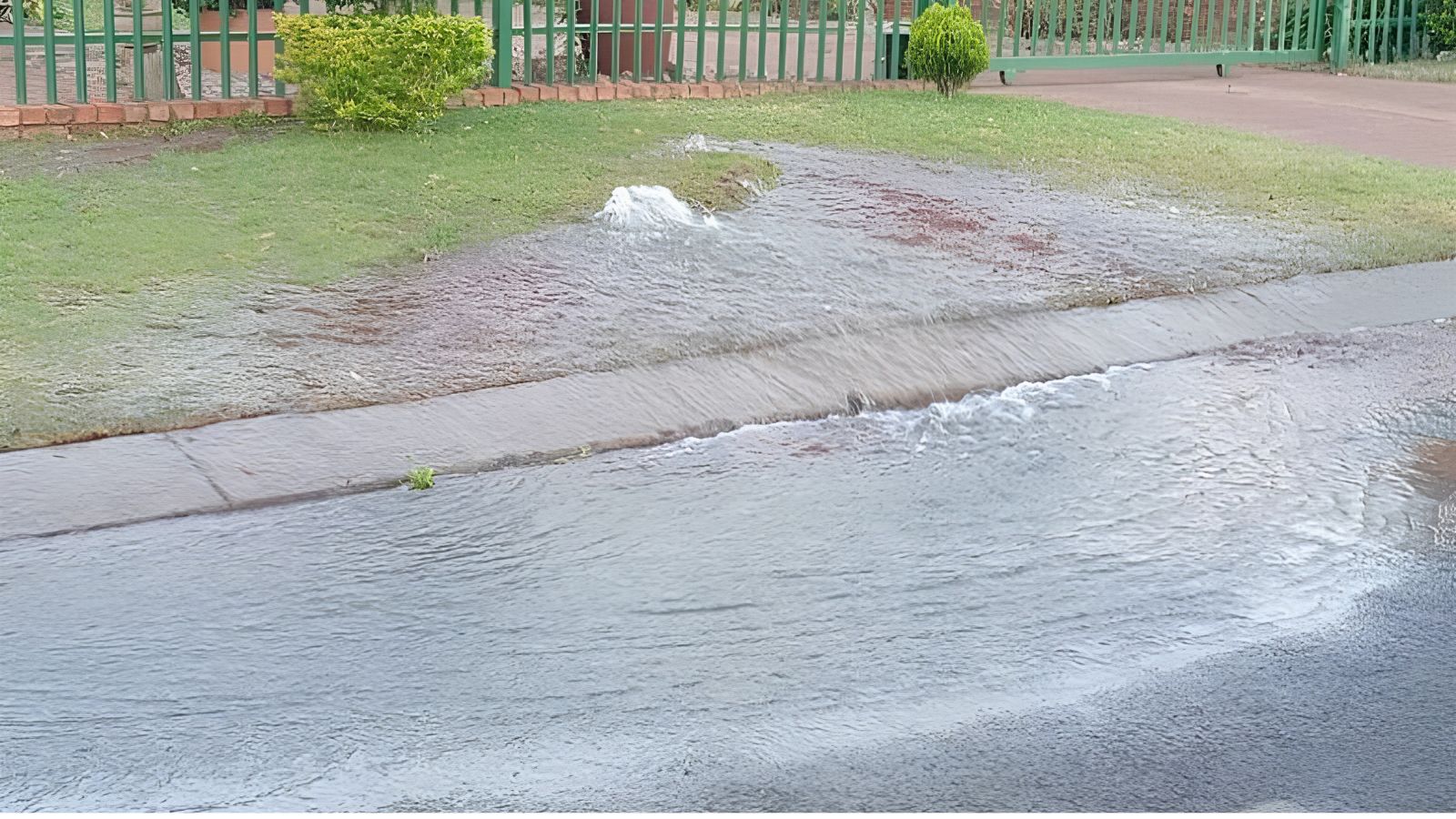
The organisation argued that these losses represent a significant waste of both water and public funds, particularly as residents are being instructed to reduce their consumption.
“The Metro must stop blaming residents for its own failures. It cannot hold residents accountable for water wastage while it loses millions of rands’ worth of water every day. The Metro needs to get its own house in order first,” Hemmens said.
AfriForum believes the municipality should prioritise finding and repairing leaking pipes, maintaining its water infrastructure and reducing physical water losses rather than focusing its resources on fining residents.
Earlier this week, the organisation called on Tshwane Municipal Manager Johann Mettler to prioritise repairs to water leaks and present a plan to address the municipality’s water losses.
“The Tshwane Metro loses an estimated R4 million worth of water every single day. It is time for the Metro to stop hunting down residents to fine them and instead start hunting down its own leaks and fixing them,” Hemmens said.
“We do not want any more excuses, campaigns, or promises; we want to see teams out on the streets repairing leaks. Water is a precious resource, and the Tshwane Metro should start treating it as such,” he added.
AfriForum said it would continue documenting municipal water wastage, holding the metro accountable and applying pressure to ensure that repairs are carried out.















 Loading ...