

Tiny South African town vital to the United States where people make an average of R154,000


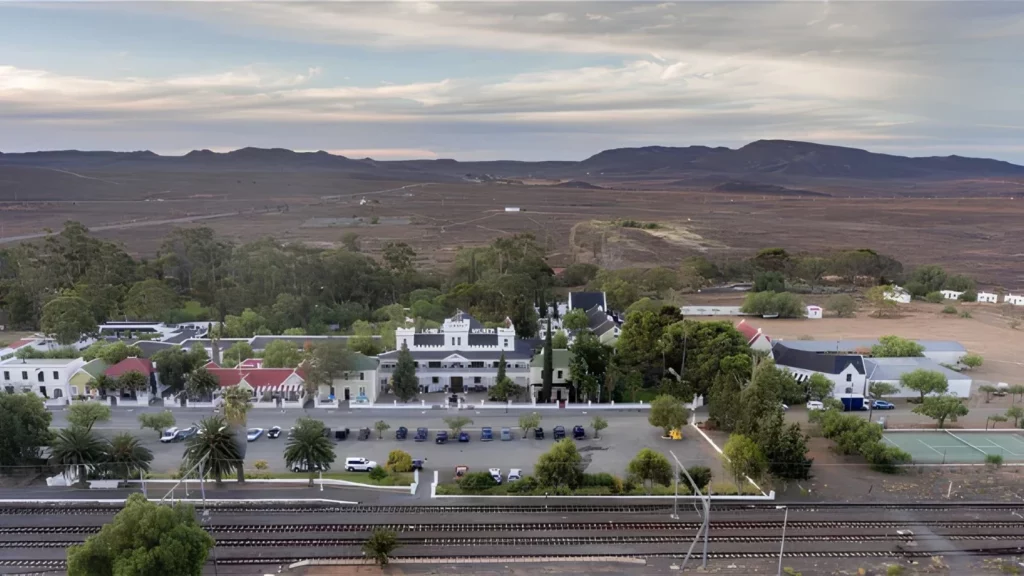
Matjiesfontein in South Africa is one of only three locations on earth chosen for NASA space missions to the moon.
The town has been selected for NASA’s Lunar Exploration Ground Segment (LEGS) antenna network, along with two other sites in the United States and Australia.
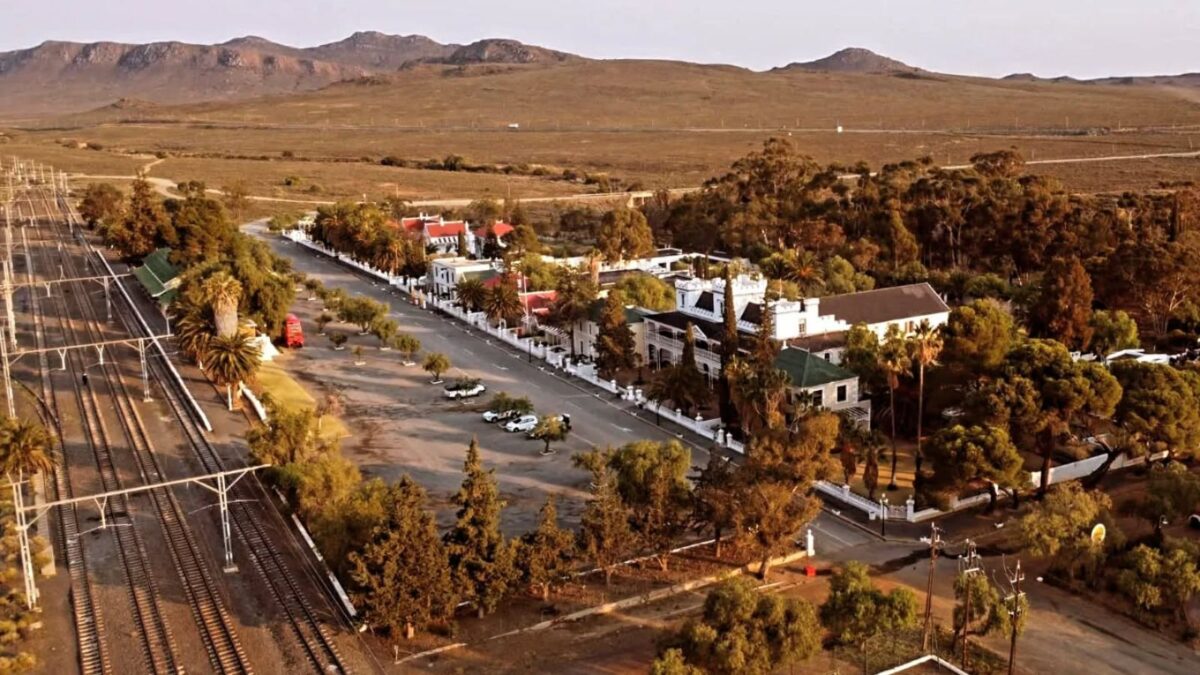
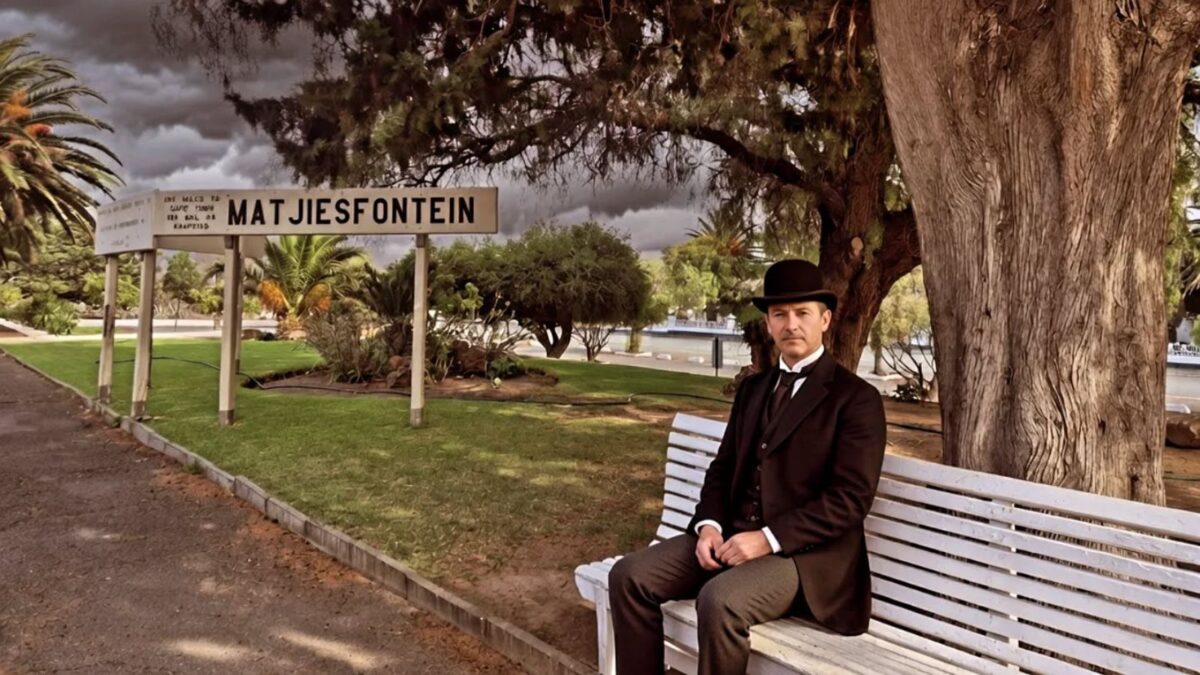
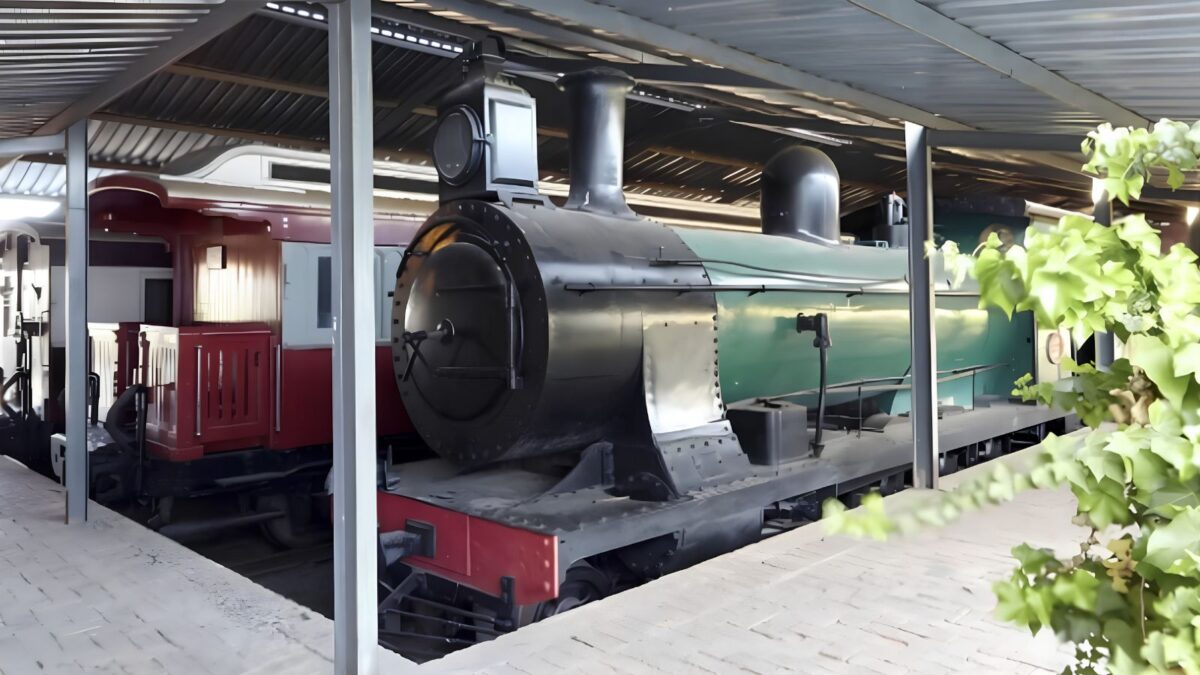
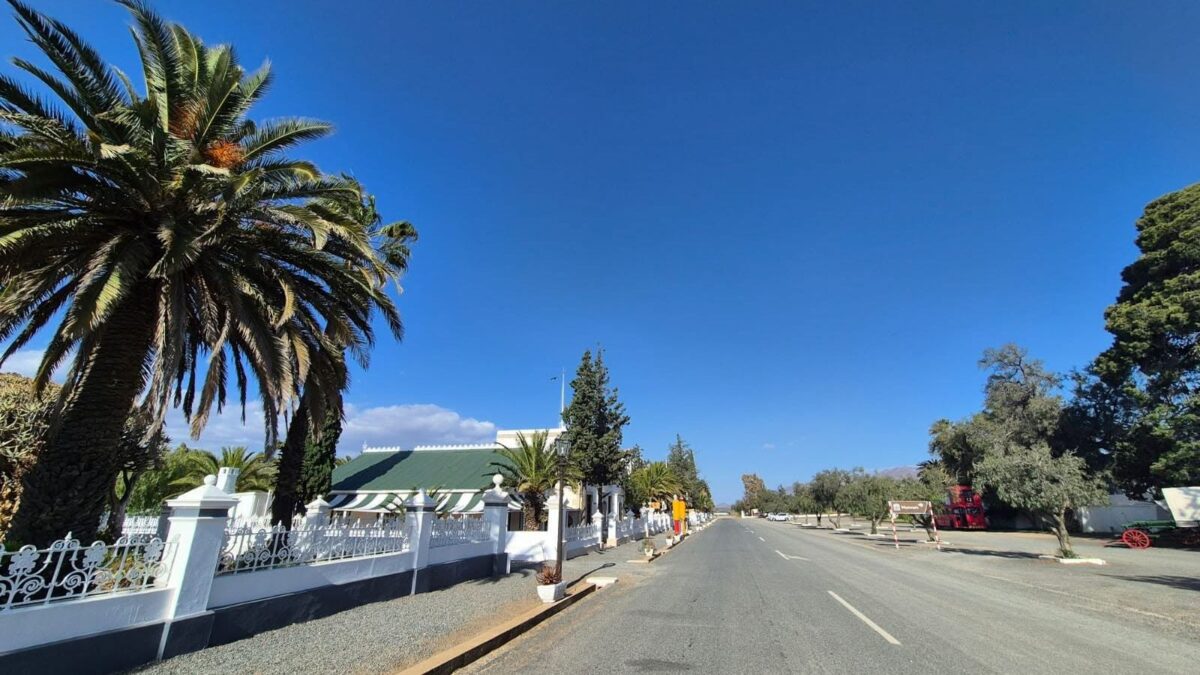
Matjiesfontein is located 27km west of Laingsburg along the N1, and is best known as a preserved Victorian railway village.
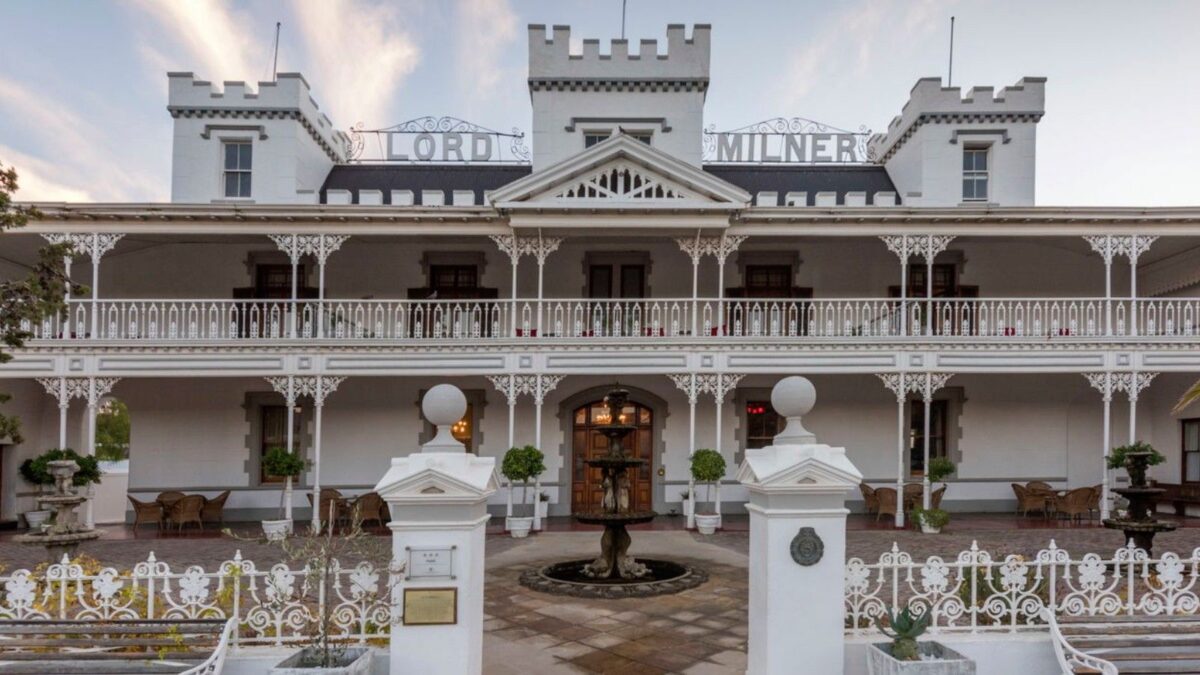
Founded in 1884 by Scottish railwayman James Douglas Logan, it grew into a famous spa and health resort before playing a role during the South African War, where the central hotel was used as a military hospital.
In 1975, the village was declared a National Heritage site, making it one of the best-preserved Victorian railway villages in the Southern Hemisphere.
Matjiesfontein falls under the Laingsburg Local Municipality. This local municipality operates within the broader Central Karoo District Municipality.
According to the latest South African Revenue Service tax statistics, Laingsburg has 1,279 registered taxpayers with an average taxable income of R154,385 a year, or around R12,865 per month.
That is the lowest average taxable income of any local municipality in the Western Cape, where the provincial average is R347,669 annually, or about R28,972 per month.
The town has an incredibly small local economy, with virtually no industrial plants, factories, or major corporate headquarters.
Apart from a few farm owners and senior municipal officials, most formal employment comes from hospitality, retail, fuel stations serving motorists on the N1, and seasonal agricultural work.
Matjiesfontein is also one of the few privately owned towns in South Africa. In 1968, a wealthy hotelier named David Rawdon bought the entire village in a single transaction.
He restored every Victorian building on the main street out of his own pocket, which transformed the town into a popular tourist destination that is still run as a hospitality destination today.
When David Rawdon passed away in 2010, ownership of the village passed directly to his heirs. Today, the Rawdon family remains the sole private custodians of Matjiesfontein.
An important town for America’s space missions
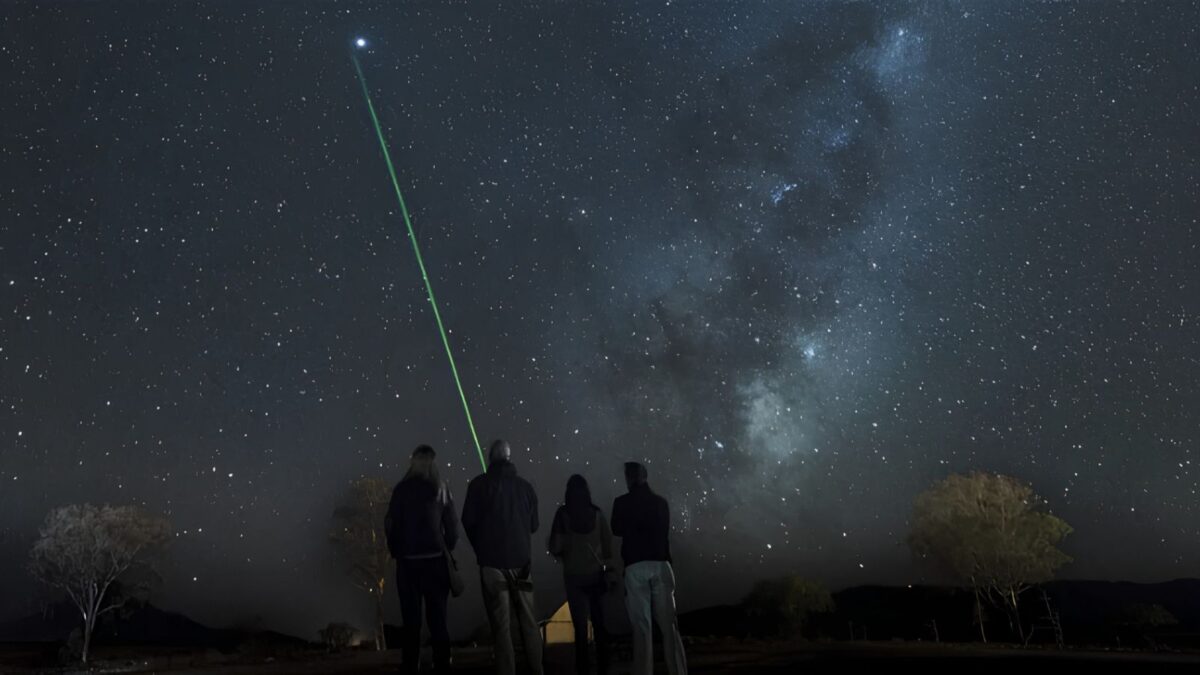
Despite being one of the least affluent communities in the Western Cape, Matjiesfontein hosts technology that supports multi-billion-dollar space missions.
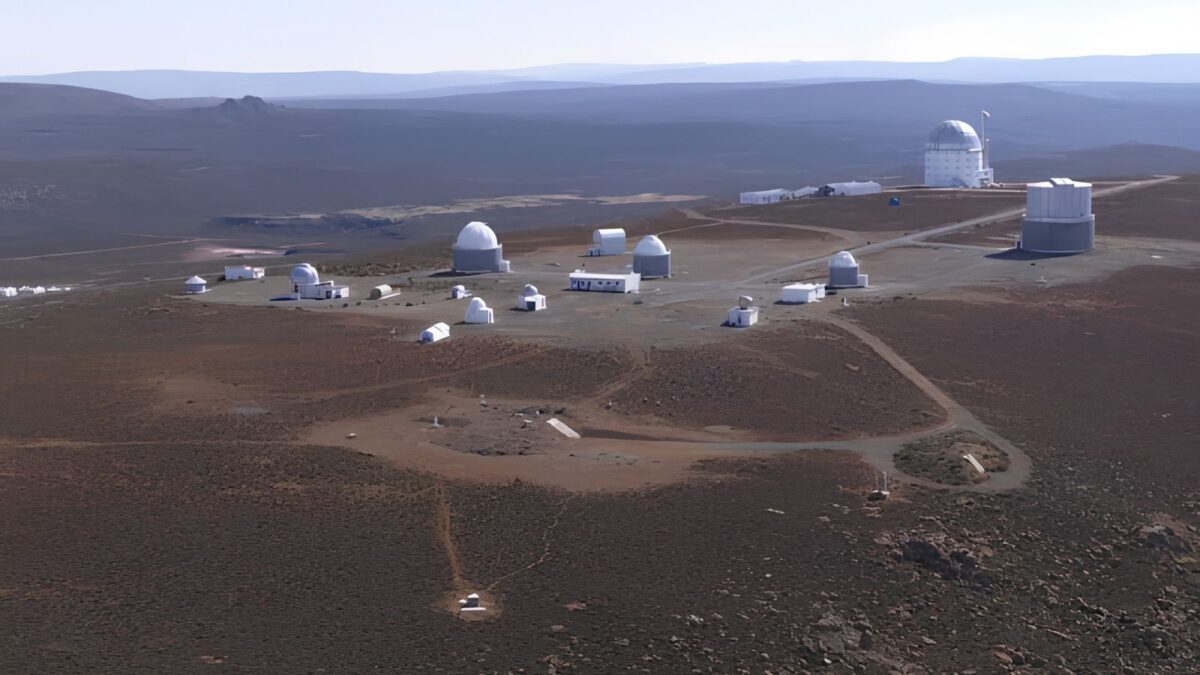
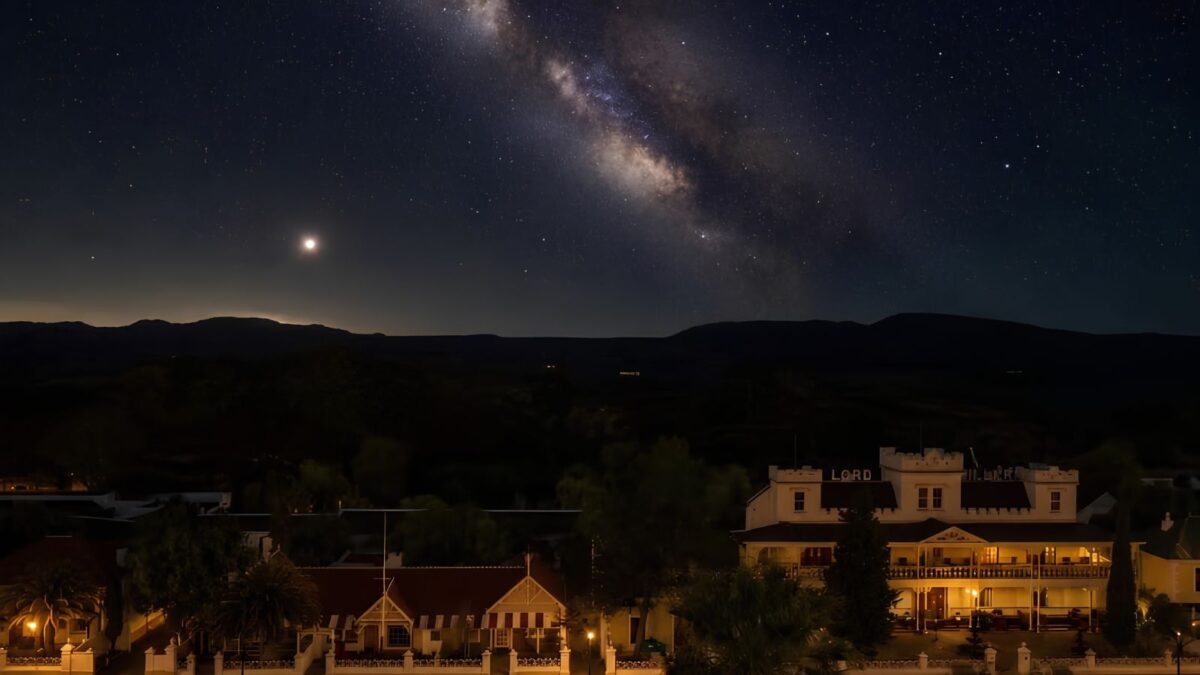
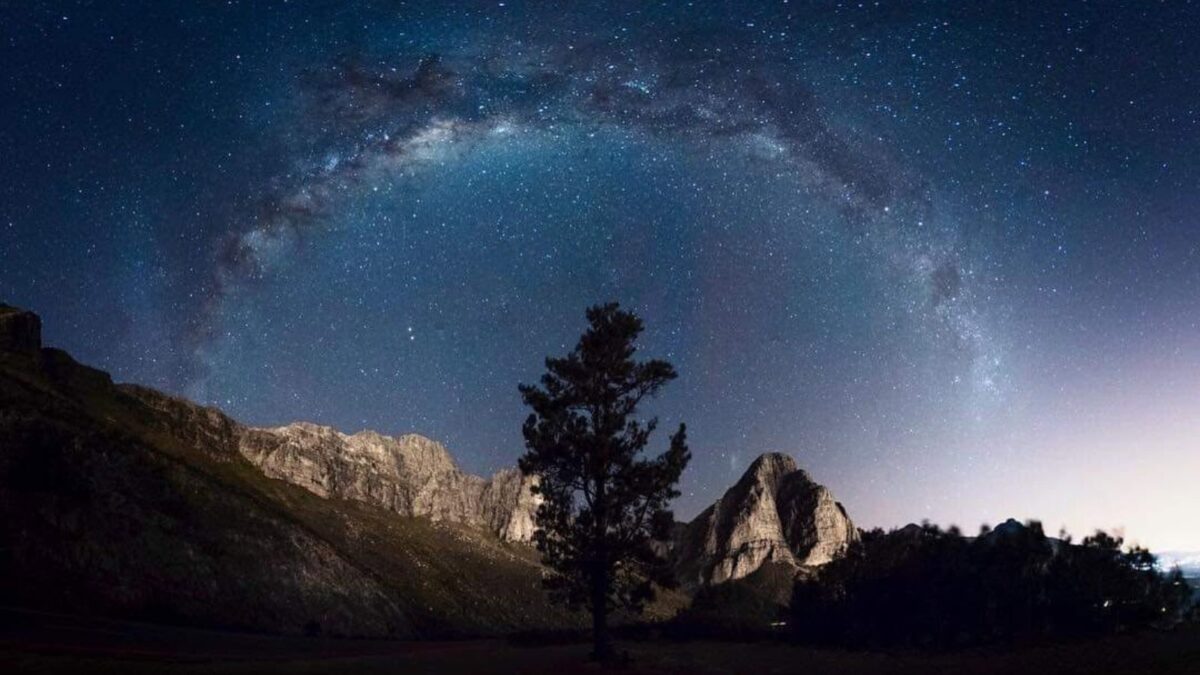
Situated on the edge of the Great Karoo, Matjiesfontein has exceptionally dark skies, minimal cloud cover and very low levels of radio interference.
These conditions make it one of Africa’s top stargazing destinations and also an ideal location for deep-space communications.
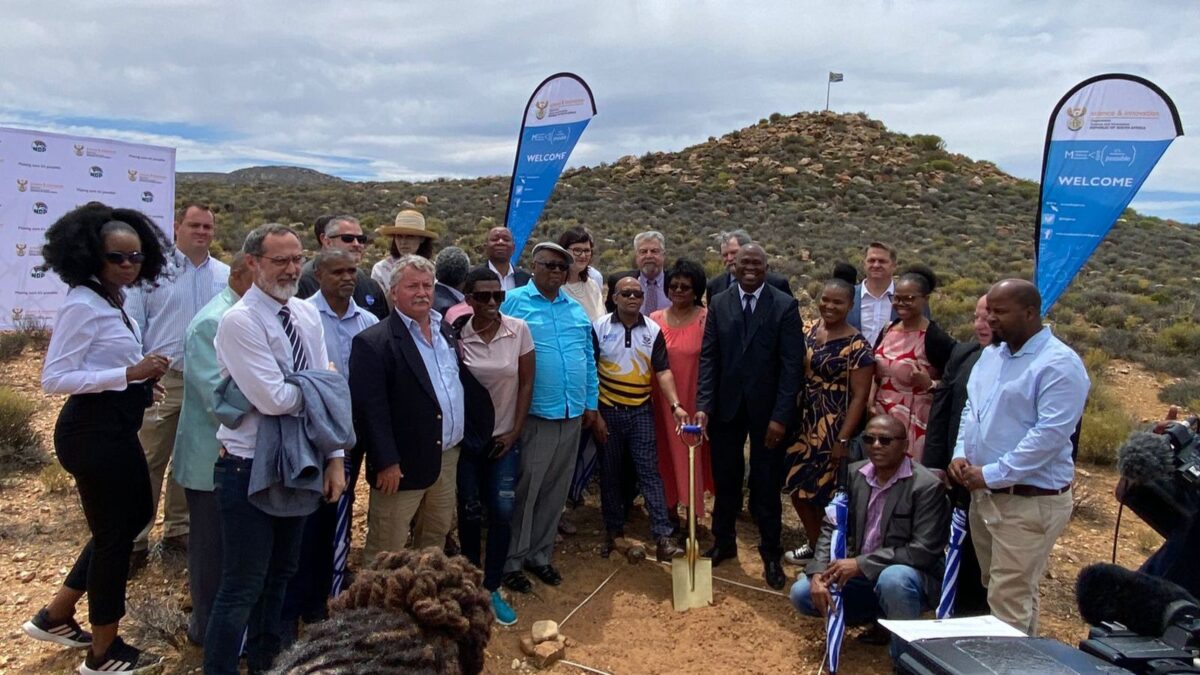
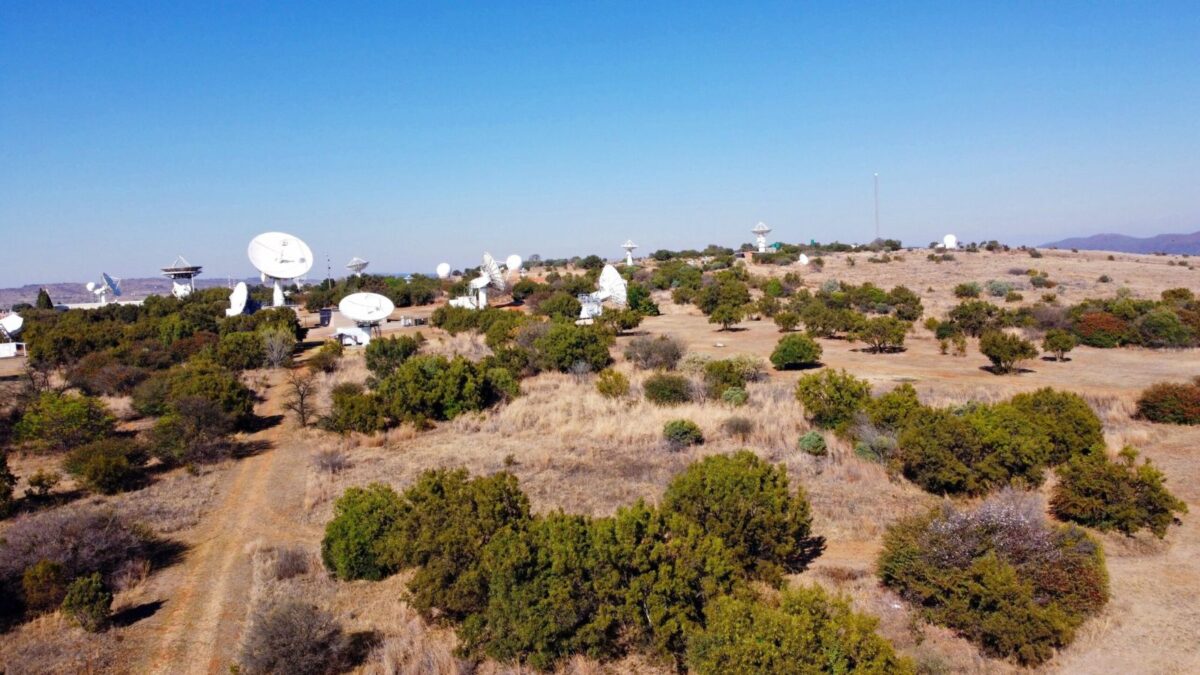
These natural advantages led the South African National Space Agency (SANSA), in partnership with NASA, to build a state-of-the-art deep-space ground station in the town.
The facility forms part of NASA’s LEGS network, which supports the United States’ Artemis programme to return astronauts to the Moon.
The ground station helps maintain uninterrupted communication with spacecraft during lunar missions, making it a critical component of the programme’s communications infrastructure.
Because NASA drives multibillion-dollar aerospace projects, technological innovations, and national security initiatives, the hubs that support its operations provide massive economic and strategic value to the United States.
Speaking to CapeTalk, SANSA chief engineer for space operations Eugene Avenant explained that the agency has already played an important role in NASA’s Artemis missions.
“SANSA has been tracking the spacecraft, especially in its closer-to-Earth spheres. What is needed for this mission is very accurate orbital information,” Avenant said.
He further explained that engineers must know a spacecraft’s precise trajectory to ensure astronauts can safely return to Earth.
“Basically, on the outward journey, making sure that the trans-lunar injection burn was correct to ensure that it takes the free-return orbit around the Moon,” he said.
Avenant added that this is achieved by measuring return signals using the Doppler effect to calculate the spacecraft’s exact position and movement.
He said South Africa had been included in the Artemis programme from its early planning stages and that the Matjiesfontein ground station is expected to play an important role in future missions.
This includes the Artemis III mission, which is planned to become the first crewed lunar landing in more than 50 years.
“South Africa was set to use its new ground station under construction in Matjiesfontein to also provide critical services to that mission,” Avenant said.
“We firmly believe that we will still be supporting the NASA Artemis programme going forward from our new ground station at Matjiesfontein.”
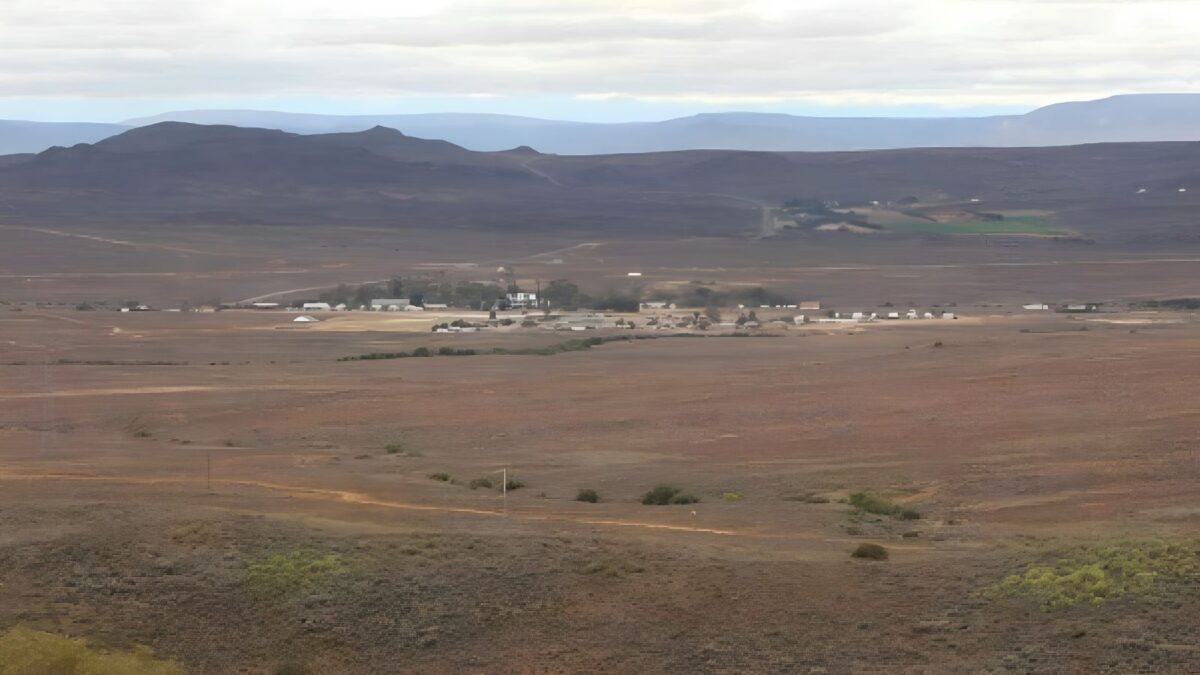
Photos of Matjiesfontein













 Loading ...