

Bad news for DStv in South Africa, and SARS clamps down on one group of taxpayers


The rand has weakened by 4.4% on a trade-weighted basis since the onset of the war, largely due to the dollar’s strength as investors seek safe-haven assets.
However, Investec chief economist Annabel Bishop said the rand is expected to strengthen when the war concludes, which will help improve risk sentiment.
Since the beginning of the conflict in the Middle East, there has been a significant foreign sell-off of South African bonds, with net foreign selling reaching R32 billion in March alone.
This trend has contributed to the rand trading above R17.00/USD this month, although it has experienced fluctuations.
Volatility has kept the rand hovering around R17.00/USD, while oil prices have dipped back below US$110 per barrel.
The Johannesburg Stock Exchange (JSE) fell sharply to 110,057 from nearly 130,000 in February due to foreign selling, as global financial markets became increasingly risk-averse in March. This net selling of South African equities has further weakened the rand.
Before the conflict in the Middle East, South Africa’s investor climate was improving, marked by its removal from the greylist, an upgrade in S&P’s credit rating by one notch, and a positive outlook on this rating.
These factors fostered positive investor sentiment toward South Africa prior to the war, with the rand reaching R15.64/USD, R18.66/EUR, and R21.37/GBP.
However, the recent depreciation of the rand is not as severe as previous periods of risk aversion.
Bishop noted that a major risk remains the possibility of a prolonged conflict in the Middle East.
This could contradict financial market expectations and sustain a risk-off environment, rather than the short, sharp war many anticipated and a subsequent return to risk-on conditions.
The rand is trading at R17.13 to the dollar, R22.65 to the pound, and R19.64 to the euro. Gold is currently valued at $4,494.10 per ounce, while oil prices have risen to $112.20 per barrel.
5 important things happening in South Africa today
Bad news for DStv: MultiChoice’s DStv is facing a crisis, having lost around 2.8 million subscribers since its peak of 17.3 million in March 2023, dropping to 14.4 million by December 2025. In South Africa, high-value Premium subscribers began to leave after Netflix launched in 2016, leading to a rapid decline. Despite efforts to grow its “Compact” and “Access” tiers, cancellations from these customers have also increased. [MyBroadband]
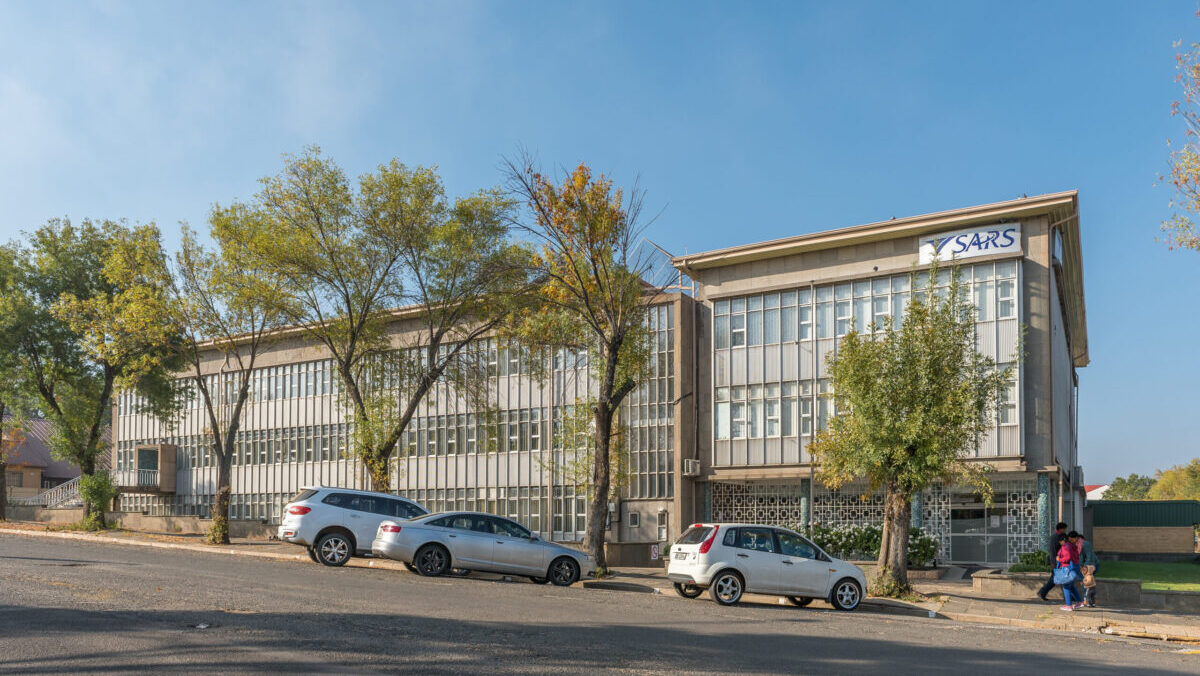
SARS clamps down on Trusts: The South African Revenue Service (SARS) is cracking down on trusts and their tax debt by fast-tracking civil judgments, giving trustees just days to act or risk having assets attached. This signals a sharp end to leniency and a push for strict compliance, with SARS already issuing notices to trusts with outstanding tax debt. [Daily Investor]
R630 million down the drain: The Auditor-General reports that over R630 million in discretionary grants cannot be substantiated due to missing records. Acting CEO Nokukhanya Mafahla is implicated in governance failures that led to a qualified audit opinion. The Public Protector demands comprehensive documentation this month for a corruption investigation across Setas. [City Press]
Political interference: The SABC has canned its popular Face the Nation political talkshow—allegedly because top government officials don’t like the grilling they get from the show’s host, Clement Manyathela. [TimesLive]
Good news about the war in the Middle East: President Donald Trump says the US is considering “winding down” its military operation against Iran, as Iran and Israel traded attacks on Saturday and Iranian media said the nuclear enrichment facility in Natanz had been attacked. [Business Day]














 Loading ...