

New R2 billion ‘micro-city’ in South Africa with its own shopping mall, gym, office block and apartments


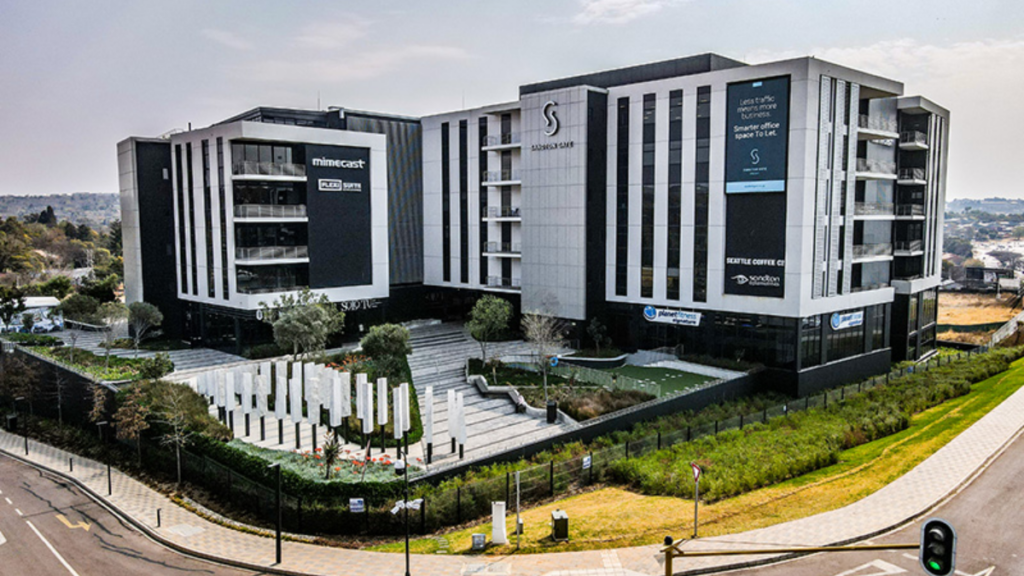
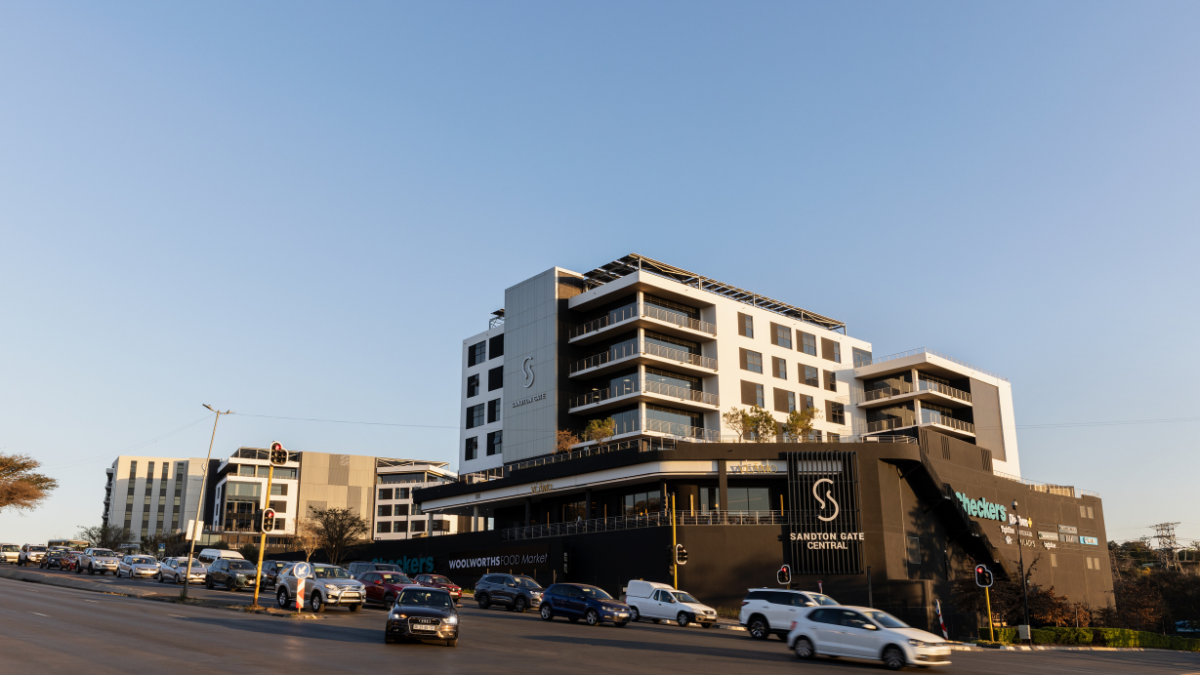
The new R2 billion Sandton Gate ‘micro city’ development in Johannesburg launched earlier this year, with the precinct built to cater to all daily living needs within a five-minute walk.
The development, located on Winnie Mandela Drive in Johannesburg, fully launched at the end of March 2026.
It has also been designated a pilot sustainable development by the Green Building Council of South Africa (GBCSA).
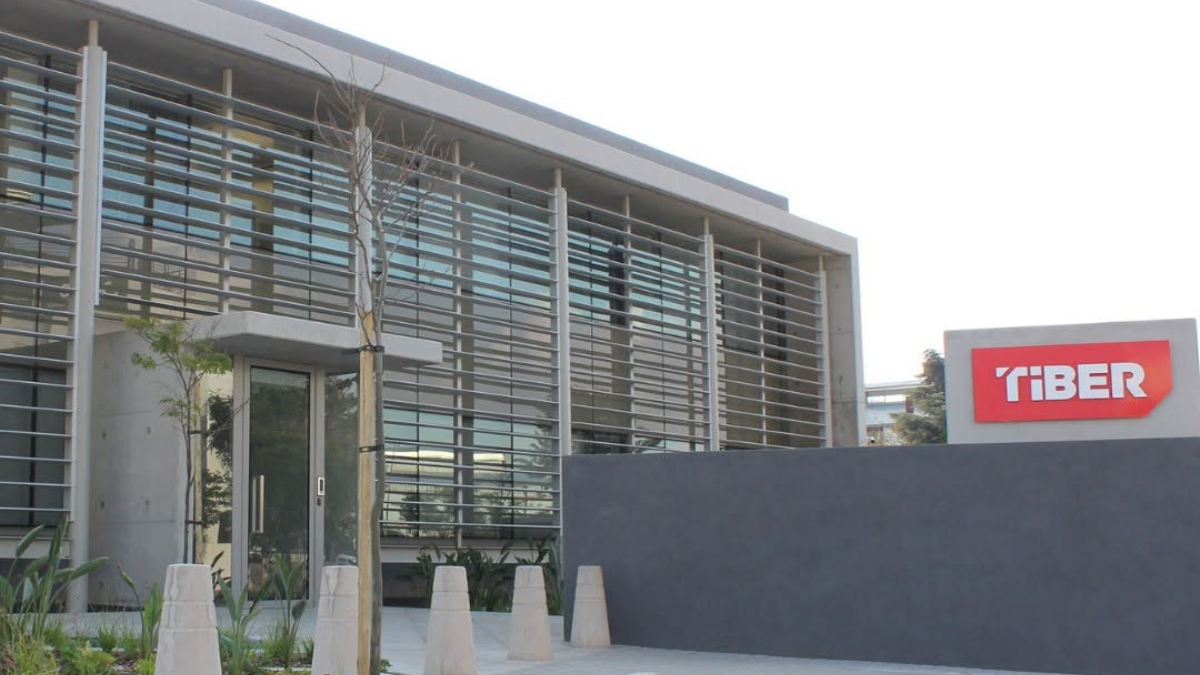
The project was co-developed by the property and construction groups Tiber and Abcon and was built in two phases.
Phase 1 of the development delivered R1 billion in infrastructure, including 15,000 square meters of office space, a Planet Fitness gym, a restaurant, and 136 apartments.
Phase 2 added an additional R1 billion to the overall blueprint. Cardoso highlighted that the construction and bulk services phases have generated more than 3,200 jobs.
The development holds a 4-Star Sustainable Precinct Pilot rating, with Phase 1 achieving a certified 5-Star Green Star Office Design rating.
The new development aims to create a complete “micro-city” that will transform South African urban planning.
The base concept is to cater to the needs of daily life, all within a safe, walkable five-minute radius, eliminating traditional commutes.
“We have to stop building Johannesburg around cars; it’s an economic and environmental chokehold,” said Tiber Construction Group CEO Fernando Cardoso.
“If you remove a 45-minute daily commute, you give back 16.5 hours a month to a person’s life. Over a year, that’s 198 hours – the equivalent of five full work weeks,” he said.
Cardoso said that Sandton Gate’s most significant milestone is its recognition by the GBCSA as the national Pilot Project for the new Green Star SA Sustainable Precincts certification.
“Instead of certifying individual buildings, the entire development has been treated as a single eco-municipality, effectively moving it from a ‘green building’ to a fully engineered, environmentally intelligent urban system,” he said.
“Sandton Gate is the national test case for how South Africa will build its next generation of cities, and the standards developed here will influence urban design countrywide for the next twenty years.”
A new commuter model for Gauteng
According to the Gauteng City-Region Observatory’s Quality of Life Survey 7 (2023/24), shopping has surpassed work as the primary reason for daily travel, accounting for 34.5% of trips compared to 32% for work-related travel.
More than half of Gauteng residents take between 16 and 45 minutes to reach their most frequented destinations, while 18% take over 45 minutes.
Despite living closer to retail amenities than to workplaces, 71% of all daily trips still take longer than 15 minutes.
This data highlights the urgent need to develop walkable, high-density nodes along major transit routes, according to Cardoso.
“Joburg commuters are historically trapped in a cycle of high-stress transit and ageing municipal infrastructure,” he said.
“Sandton Gate has broken that cycle by providing modern homes, fitness workouts, offices and boardrooms, shopping, and dining in five safe, walkable, aesthetically attractive minutes.”
All future commercial buildings are required to meet a minimum 4-Star standard.
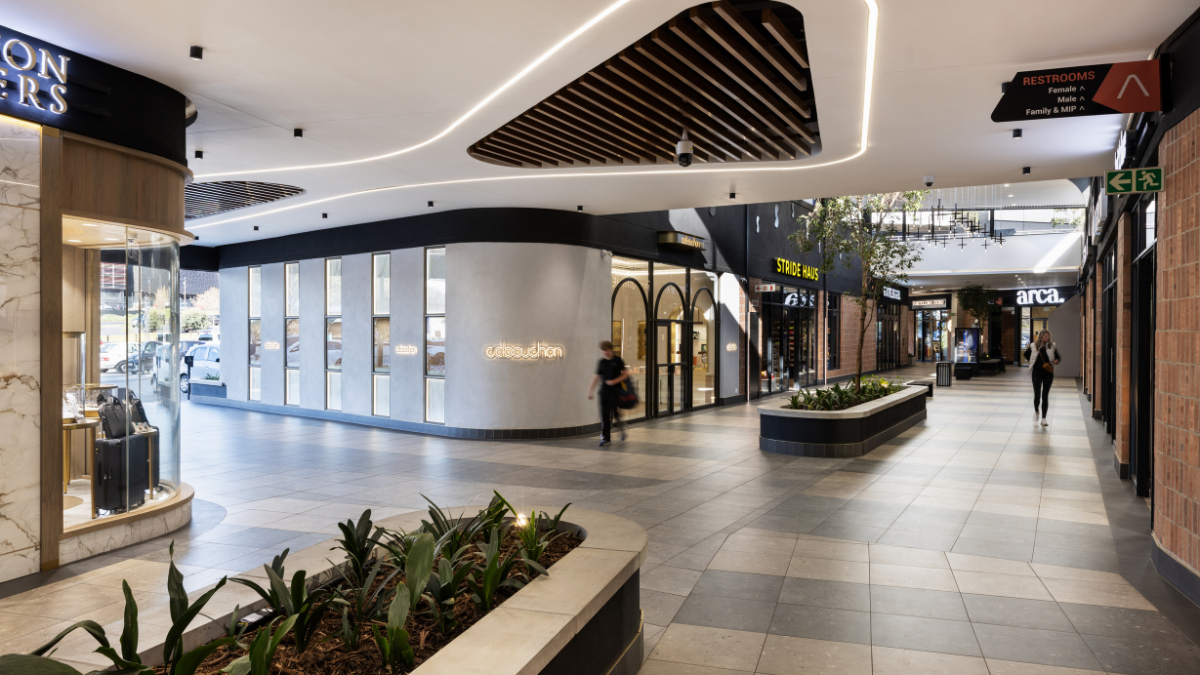
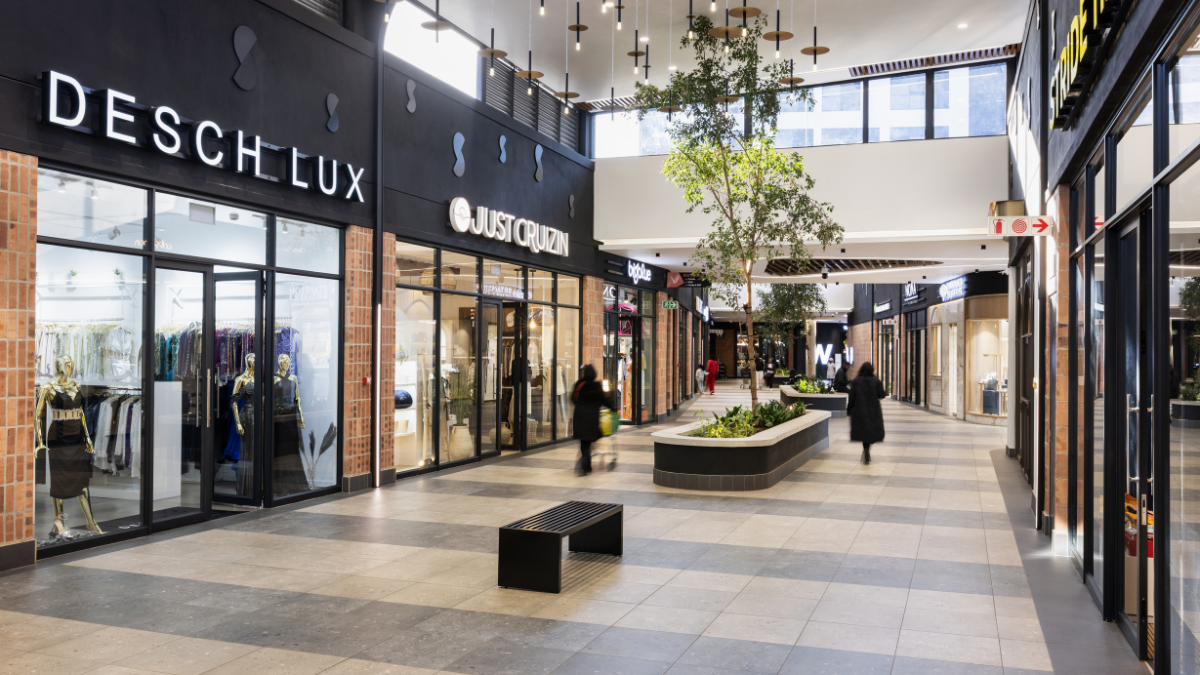
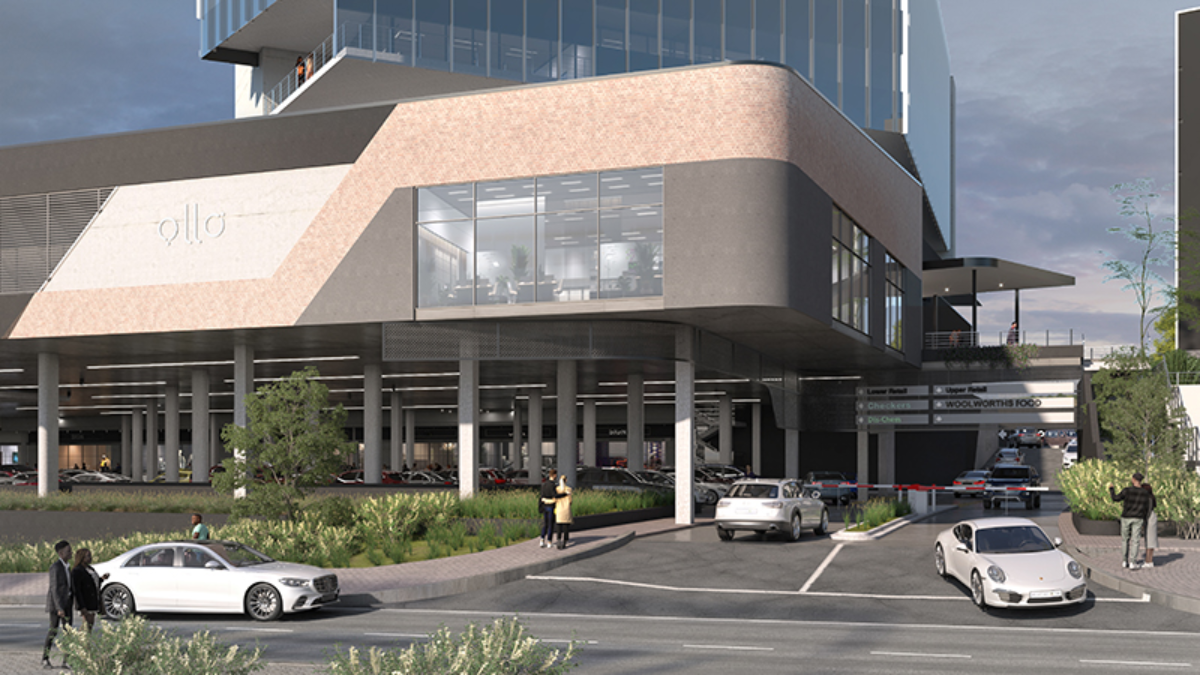
Phase 2 includes 12,000 square meters of open-air retail, anchored by Woolworths, Checkers, and Dis-Chem.
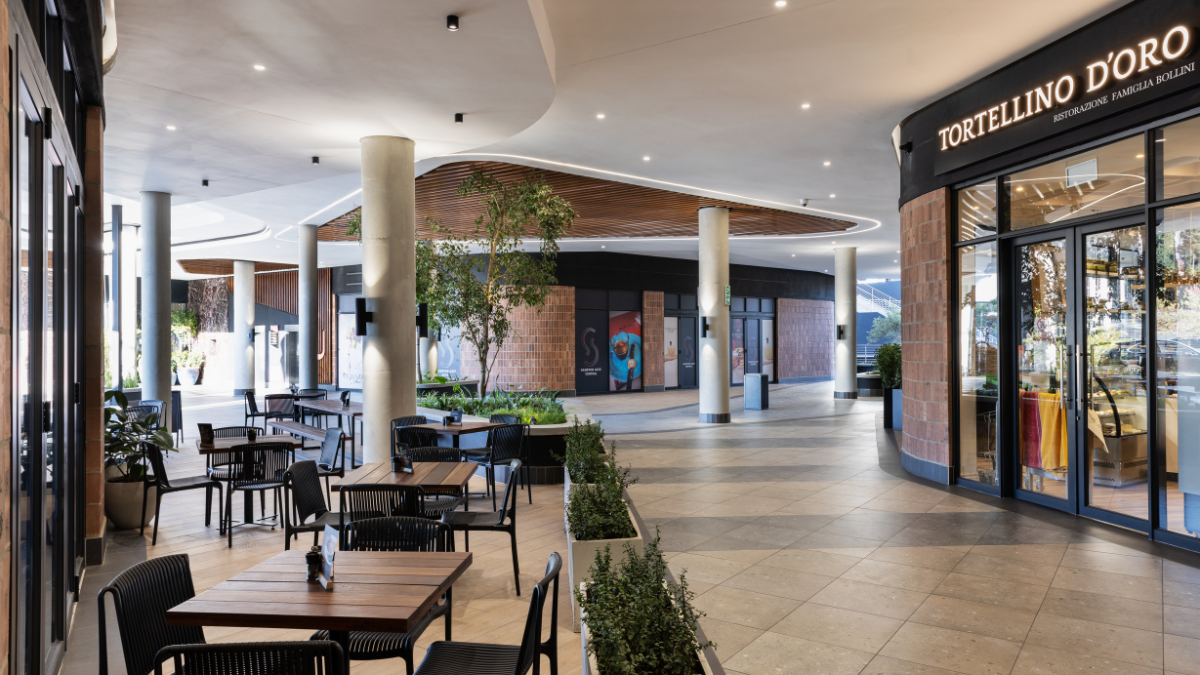
It also features three restaurants: Tightline, Tortellino D’Oro, and Vlamo, along with 10,000 square meters of P-grade office space distributed across Tower A (6,000 square meters) and Tower B (4,000 square meters).
The 136 apartments at The Terrace are designed to integrate with a site-based workforce of nearly 2,000 professionals, aimed at embodying the essence of a live-work-play micro-city.
Cardoso explained that the development operates at 209.5 kWh/m²/annum, more than 60% below the SANS 10400 baseline, while removing 251.4 tonnes of CO₂ annually.
Cardoso said that Sandton Gate features several South African firsts, including thermodynamic heat recycling.
He explained that at Planet Fitness, waste heat from cooling systems is captured and repurposed to heat showers and pools.
He said that with a thermal stability of 98%, the development provides a consistent indoor working environment, which he said significantly enhances productivity and well-being.
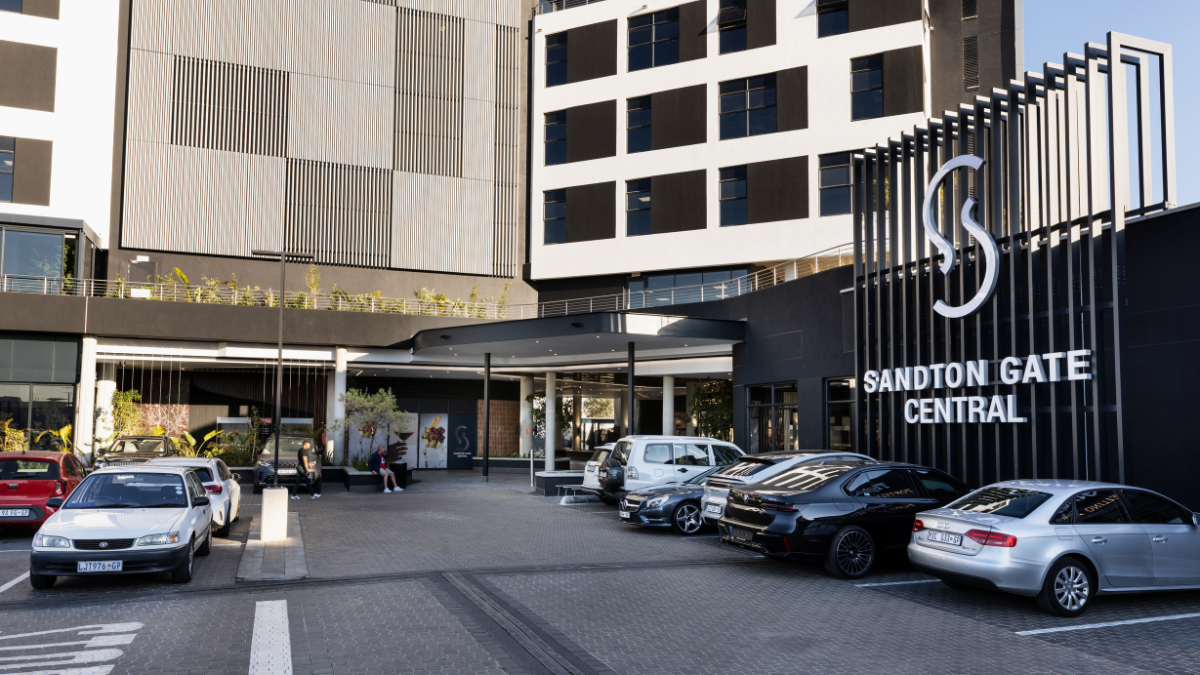
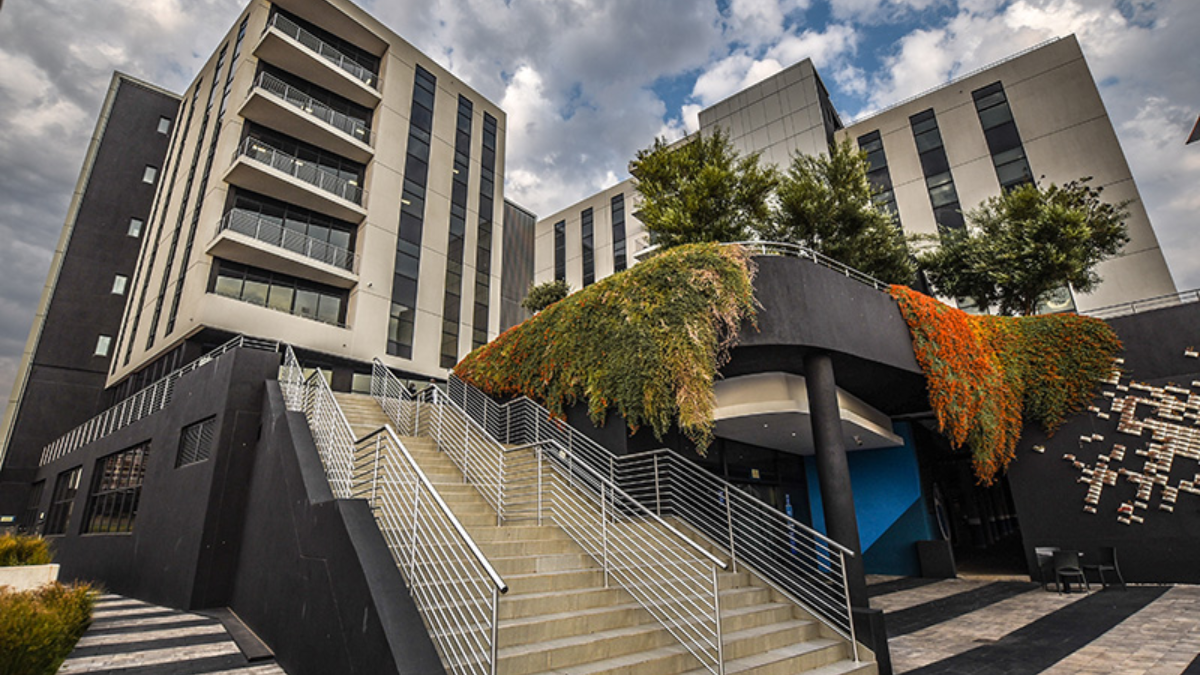
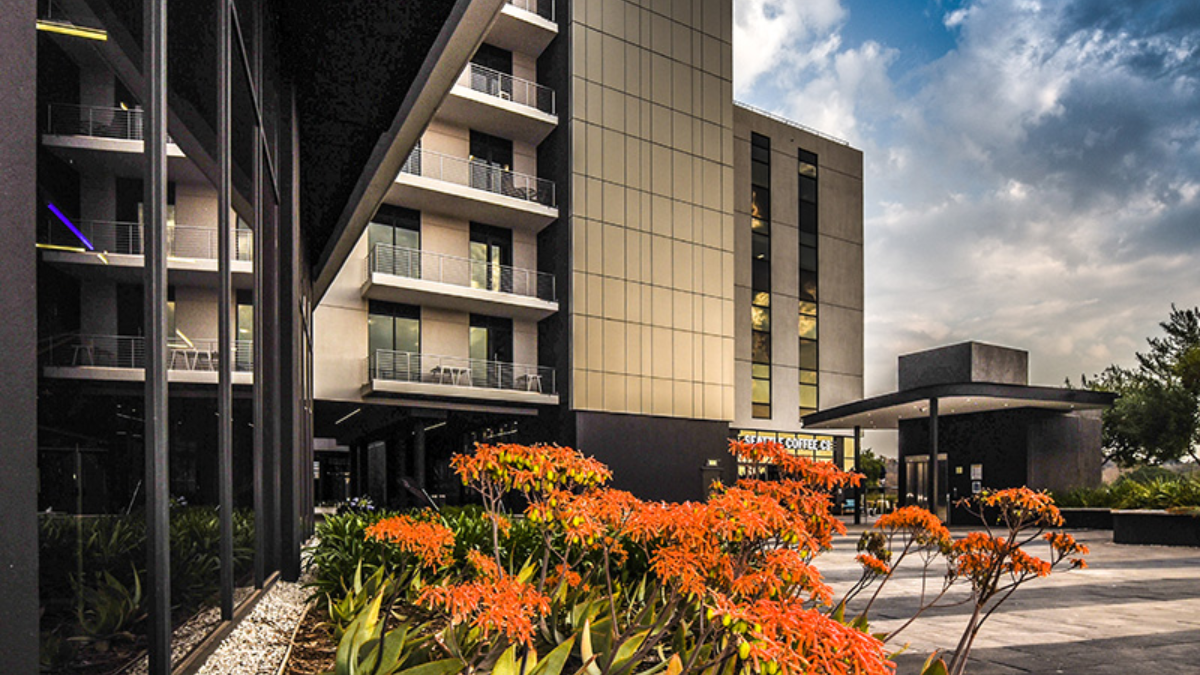
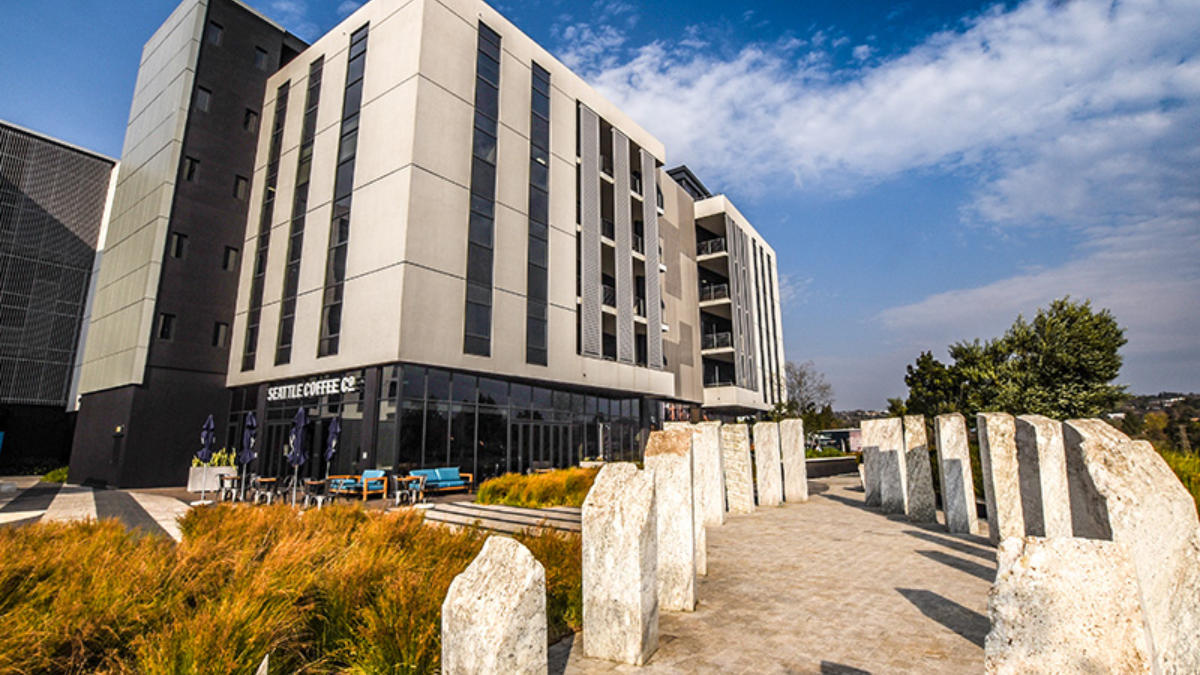
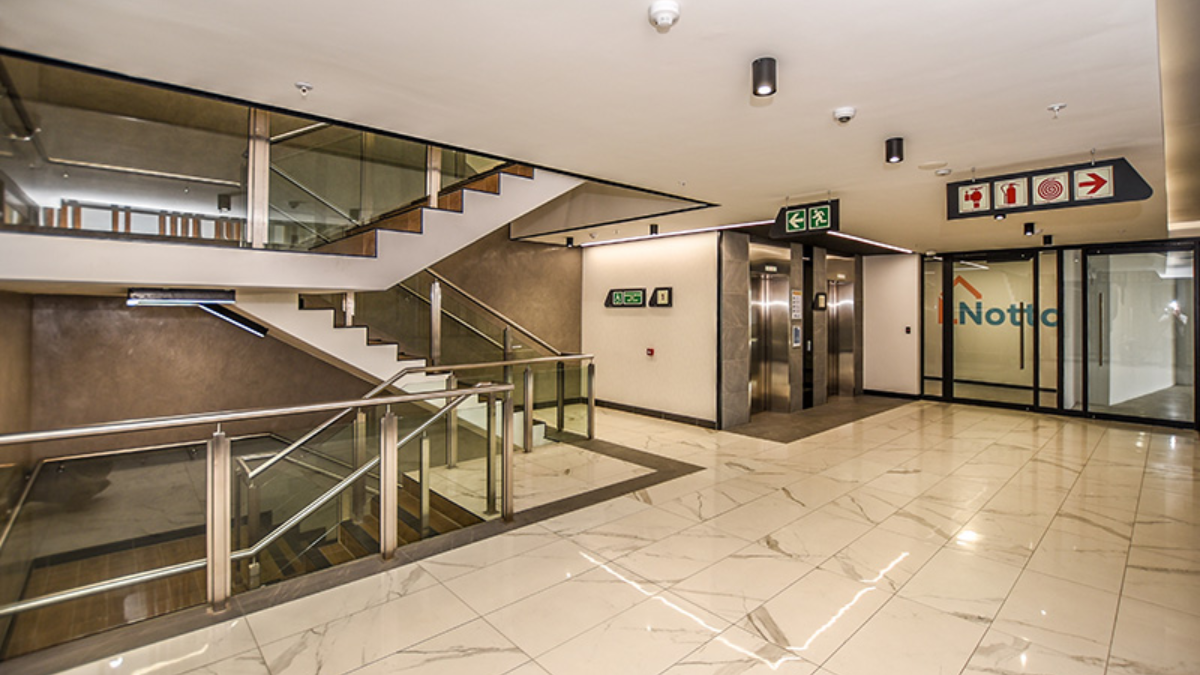
Photos of Sandton Gate development














 Loading ...