

Joburg wants to ban cars from the CBD


The City of Joburg is conducting a feasibility study on ‘managed lanes’ in a number of streets in the inner city, as it aims to ultimately eliminate private vehicles from driving in the CBD.
It follows a similar initiative conducted in Sandton in October which saw public transport, cyclists and pedestrians given preference in the business district under the title: EcoMobility World Festival 2015.
The plan, named “inner-city managed lanes” will ‘provide high-quality, safe, accessible, affordable and environmentally friendly public transport’, the City of Johannesburg said.
Managed lanes give public transport and pedestrians top priority, it said.
Member of the Mayoral Committee for Transport Councillor Christine Walters said as part of the City’s Growth and Development Strategy 2040 (GDS 2040), ease of movement for residents is crucial.
This is what, she said, has prompted the development of the Corridors of Freedom, multimillion-rand investments in cycling and pedestrian lanes and the extension of the Rea Vaya bus rapid transit (BRT) system.
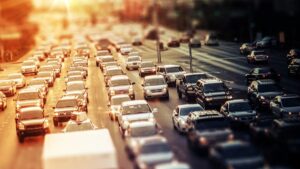
“The recently ended EcoMobility World Festival gave us a glimpse into the future. That is why the City has to move with urgency to address the acute congestion in our streets as that poses a challenge to economic competitiveness and quality of life.
“The most effective long-term solution is to cut the time commuters spend sitting in traffic by offering improved public transport, reduce the number of single-occupant vehicles and introduce changed land-use planning,” said MMC Walters.
The City’s Transport Department, which is overseeing the study, said some of the advantages of managed lanes is higher travel speeds, which reduces time spent on the road; greater access to work and leisure centres; efficient use of resources; on-time performance and reliability and improved air quality and decreased greenhouse gas emissions associated with traffic congestion.
The affected streets are Miriam Makeba, Eloff, Jorissen, De Korte, Lilian Ngoyi, Rahima Moosa, Albertina Sisulu, Commissioner, Mooi and Troye.
As part of the City’s inclusive and transparent governance, a public information session will be held at Metro Centre in Braamfontein on November 19.
A copy of the study and the preliminary drawings of each of the affected streets can be downloaded here.
Following the conclusion of EcoMobility week in Sandton, Johannesburg executive mayor councillor Parks Tau said the conversation centred on two critical issues – congestion and its economics costs in the city, and global warming.
“The reality of congestion is not just about the discomfort of sitting in your car, it is the dead time that people literally spend in their cars. There is no productivity happening at that point, so the amount of minutes and hours people spend in their cars literally translates into non-productive time,”Tau said.
“Literally, congestion comes at a cost. The amount of time people spend on the roads is an economic cost and we needed to talk about how to reduce congestion, particularly in an area as important as Sandton, the commercial heartland of not just South Africa but the continent.”
More on traffic in SA
Nearly half of Sandton workers can cycle to work: city









 Loading ...