

10 of the best Nasa pictures in 2015


Every single day, US space agency Nasa wows the people of earth with stunning imagery related to space travel and exploration.
All these images are from Nasa’s long-running “image of the day” series, which highlights the wonders and significance of space, and activities surrounding space.
They include shots of earth from the international space station, some of the more recent discoveries in far away places in our universe, as well as some conceptual pieces exploring the “what ifs” of space.
2015 marked a number of momentous first for space exploration, including the first high-resolution images of Pluto and Charon – as well as the discovery of evidence of water on Mars.
The photos below – and many, many more – are freely available to view in Nasa’s image of the day archives.
Welcome to Mars

This March 27, 2015, view from the Mast Camera (Mastcam) on NASA’s Curiosity Mars rover shows a site with a network of prominent mineral veins below a cap rock ridge on lower Mount Sharp.
Mars from above

This image of a circular depression on the surface of Mars was acquired on Jan. 5, 2015 by the High Resolution Imaging Science Experiment (HiRISE) camera on NASA’s Mars Reconnaissance Orbiter (MRO).
Charon, Pluto’s moon
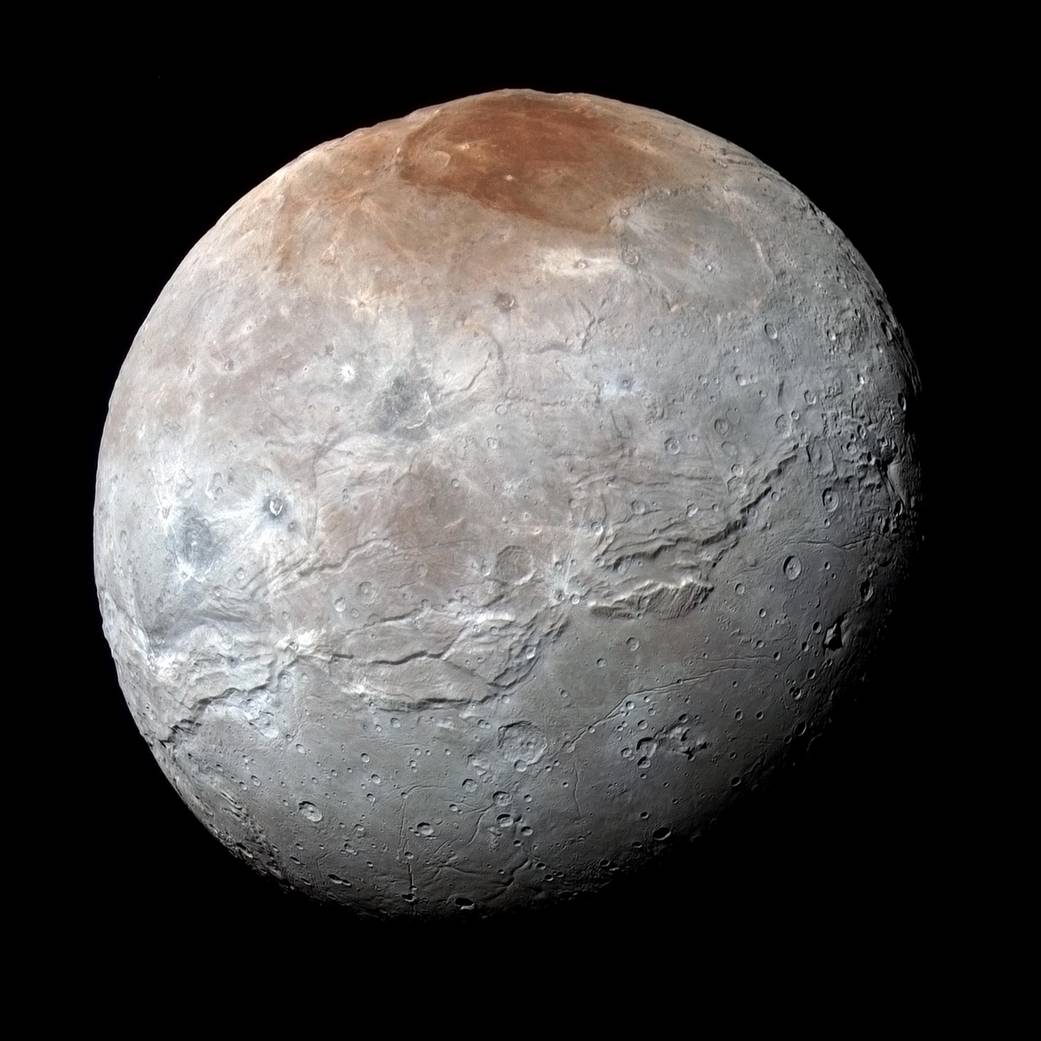
NASA’s New Horizons spacecraft captured this high-resolution enhanced color view of Charon just before closest approach on July 14, 2015.
The sunflower galaxy
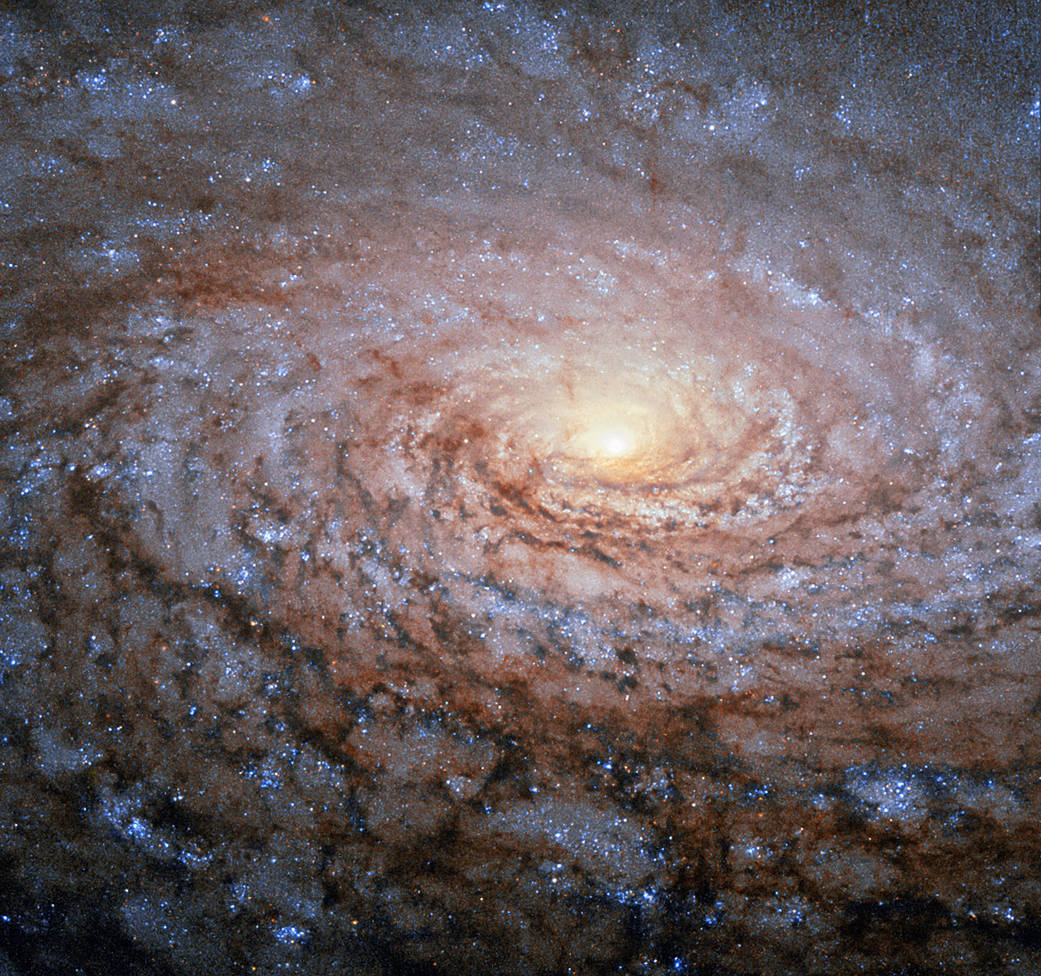
The arrangement of the spiral arms in the galaxy Messier 63, seen here in an image from the NASA/ESA Hubble Space Telescope, recall the pattern at the center of a sunflower.
Hello, Pluto
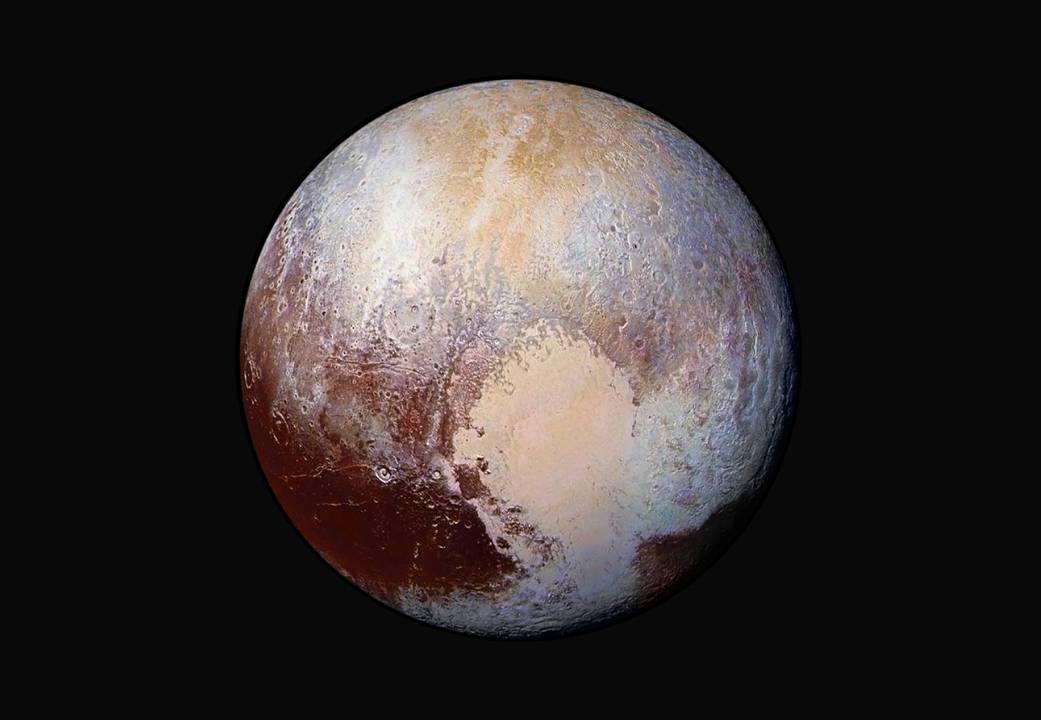
Four images from New Horizons’ Long Range Reconnaissance Imager (LORRI) were combined with color data from the Ralph instrument to create this enhanced color global view of Pluto.
Shades of solar flare
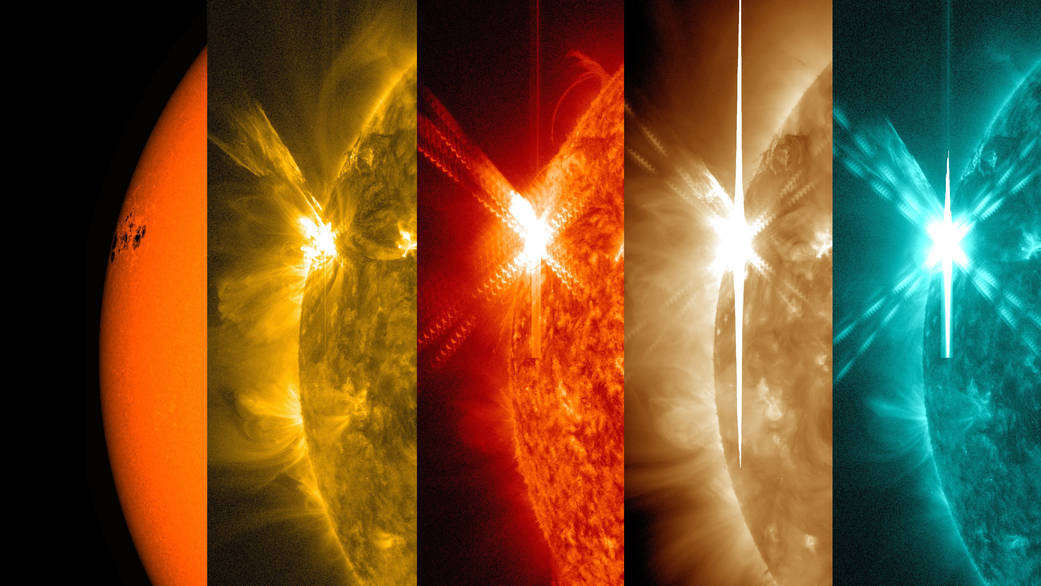
NASA’s Solar Dynamics Observatory, which watches the sun constantly, captured these images of a significant solar flare – as seen in the bright flash on the left – peaking at 6:11 p.m. EDT on May 5, 2015. Each image shows a different wavelength of extreme ultraviolet light that highlights a different temperature of material on the sun.
Good morning, earth
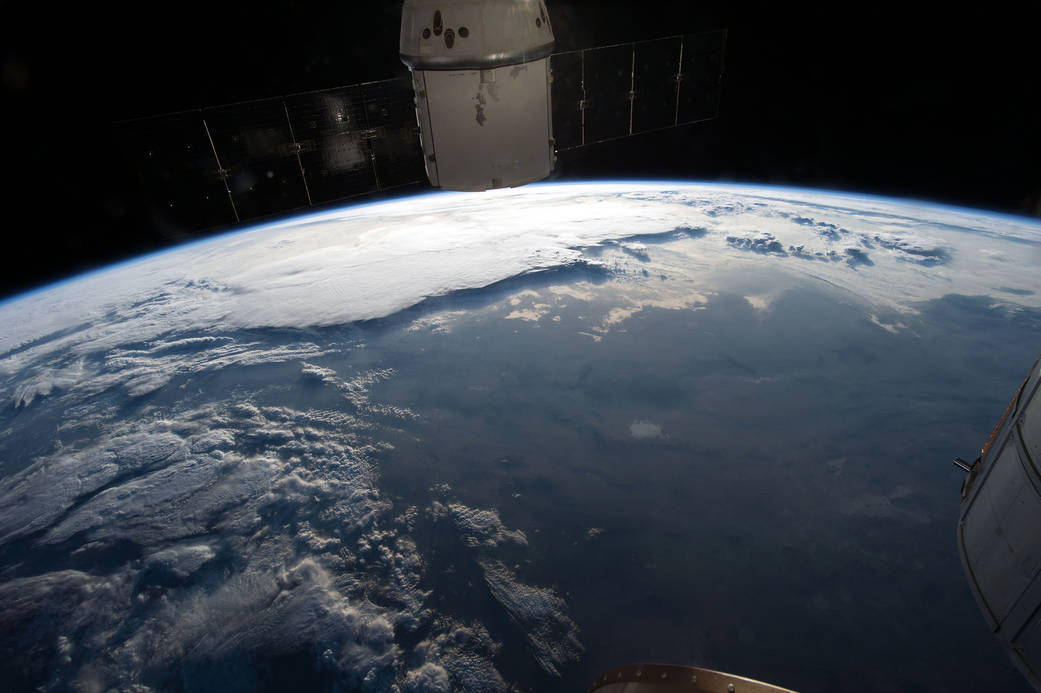
From the International Space Station, NASA astronaut Terry Virts took this photograph of an early morning sunrise over the Grand Canyon and posted it to social media on May 10, 2015. Because the station completes each trip around the globe in about 92 minutes, the crew experiences 16 sunrises and sunsets each day.
The densest cluster of the Milky Way
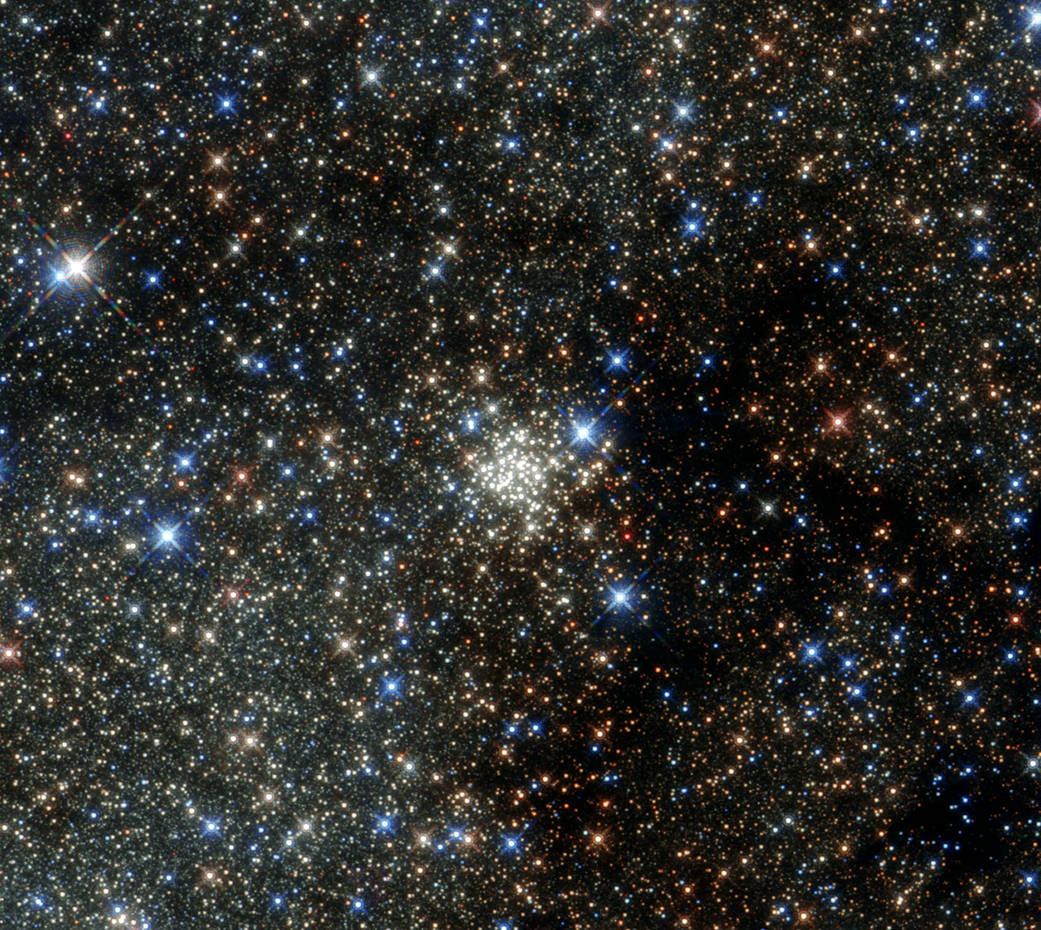
This NASA/ESA Hubble Space Telescope image presents the Arches Cluster, the densest known star cluster in the Milky Way.
In a galaxy, far, far away…
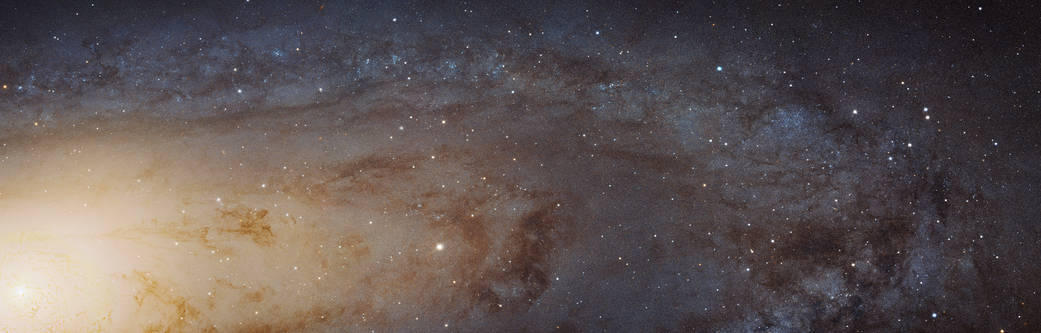
The largest NASA Hubble Space Telescope image ever assembled, this sweeping bird’s-eye view of a portion of the Andromeda galaxy (M31) is the sharpest large composite image ever taken of our galactic next-door neighbor.
Space walk 2015
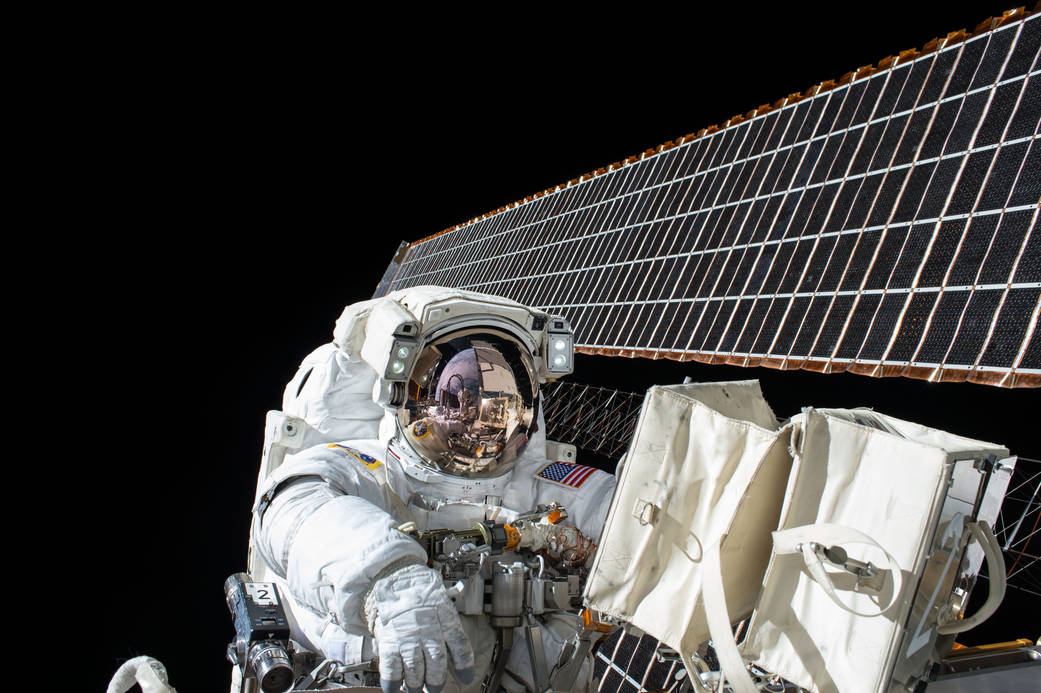
On Nov. 6, 2015, NASA astronauts Scott Kelly and Kjell Lindgren spent 7 hours and 48 minutes working outside the International Space Station on the 190th spacewalk in support of station assembly and maintenance.
More on space
Space tech: South Africa looks beyond the skies to the stars
After Earth, will space be our new home?


















 Loading ...