

5 things you need to know in South Africa today
·16 Aug 2016


Here’s what is happening in and affecting South Africa today:
- As political parties push coalition talks down to the last minute, experts are warning that there will be chaos in any local district that is run by a few minority governments. The DA has finalised several coalitions in the Western Cape while the ANC has secured in-principal agreements with smaller parties. The EFF is expected to announce its coalitions on Wednesday.
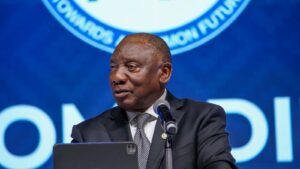
- South Africa’s National Minimum Wage is moving forward, with deputy president Cyril Ramaphosa appointing a seven-person panel to advise on an appropriate level at which the national minimum wage could be set. Setting a national minimum wage was one of the areas the ANC said it would focus on to win back voter confidence – however economists and experts warn that the move will result in job losses.
- South Africa’s rand firmed on Monday, resuming the previous week’s rally as commodity-linked currencies globally attracted investors hungry for higher-yield assets in the face of fading chances of U.S. interest rate hikes. On Tuesday the rand was trading at R13.27 to the dollar R17.13 to the pound and R14.88 to the euro.
- In global news Asian shares rose to one-year highs, expanding their gains this year to almost 10 percent, supported by a jump in oil prices and investor expectations of an extended phase of easy monetary policy around the globe. All three major U.S. stock indexes ended at all-time highs on Monday.
- Oil prices edged away from 5-week highs on Tuesday, with traders cashing in on a 16-percent rally since early August that has largely been fueled by talk of producers taking action to prop up the market. Brent crude oil was trading at $48.14 per barrel, down 21 cents, while U.S. crude was trading at $45.56 a barrel, down 18 cents.
In other news: South African universities face financial crises if they are unable to raise fees for 2017 as demanded by the #FeesMustFall students – which could result in staff cuts. Universities say they face cost increases of 12% and need at least an 8% fee hike to stay afloat. Government suggested 6.3% – while students are again protesting for a 0% hike.
















 Loading ...