

Fuel sales rise in South Africa, but vehicle sales paint a gloomy picture


Motor trade sales increased by 3.1% in Q2:2019 compared with the prior quarter, driven by a rise in sales of fuel and accessories, StatsSA said on Thursday (15 August).
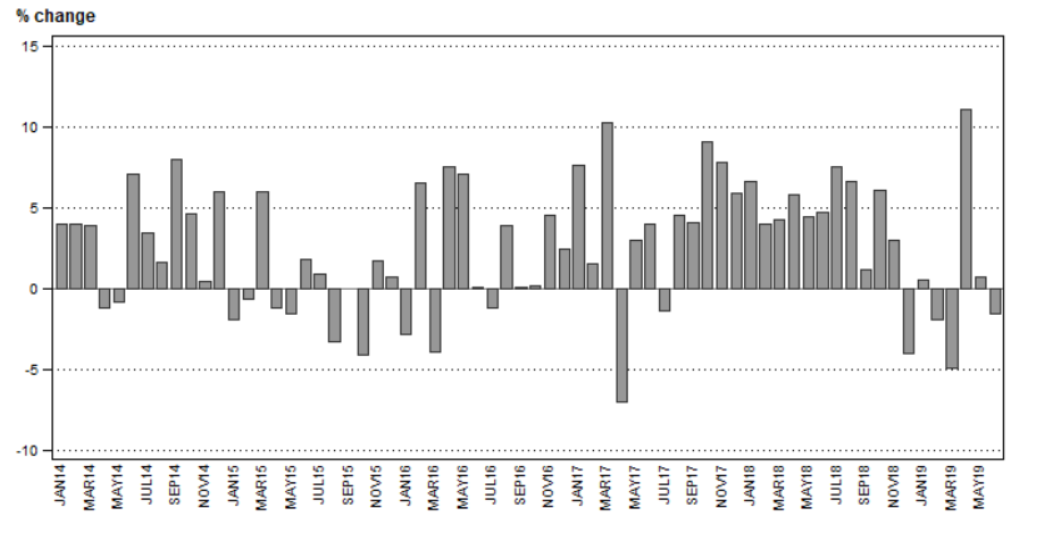
However, measured in current prices, motor trade sales decreased by 1.6% year-on-year in June 2019, it said.
The largest negative annual growth rates were recorded for:
- New vehicle sales (-3.9%);
- Workshop income (-2.9%);
- Used vehicle sales (-2.6%).
Seasonally adjusted motor trade sales increased by 1.2% in June 2019 compared with May 2019. This followed month-on-month changes of -3.7% in May 2019 and 4.7% in April 2019.
In the second quarter of 2019, seasonally adjusted motor trade sales increased by 3.5% compared with the previous quarter, StatsSA said.
The main contributors to a second quarter rise were:
- Fuel sales (5.1% and contributing 1.4 percentage points);
- Sales of accessories (5.6% and contributing 1.0 percentage point).
Motor trade sales at current prices: year-on-year percentage change
Motor trade sales at current prices (R million)

In a note at the start of August, vehicle finance group WesBank said that, while consumers may have enjoyed some reprieve from the interest rate cut in July, the motor industry didn’t. New vehicle sales continued their downward trend according to results released by the National Association of Automobile Manufacturers of South Africa (Naamsa).
Total market sales for July declined 3.7% to 46,077 compared to July 2018. This market performance reflected the year-to-date sales trend down the same amount for the first seven months of the year compared to the same period last year.
“While the small interest rate cut during July was warmly welcomed by industry and consumers alike, it may take some more incentive from the Reserve Bank to jump-start the economy and entice consumers back into the new vehicle market,” said Ghana Msibi, WesBank executive head of motor.
“While small, its effects will be enjoyed by household incomes in the longer term, but another cut before the end of the year would be welcome and effective.”
Consumers appear to be shifting their allegiance to Light Commercial Vehicles (LCV) judging by July sales. LCV sales increased 2.9% year-on-year to 13,852 units. Dealer channel sales in the segment grew 4.1%, indicating that motorists are more inclined to drive bakkies than passenger cars.
By contrast, passenger car sales declined a hefty 8.2% to 29,477 units. Rental sales in the segment were down 9.3%, softening actual consumer demand on the dealer floor, which was down 7.6%. Year-to-date sales for passenger cars and LCVs are 5.4% and 1% down respectively.
“The economy remains tough,” said Msibi. “Retrenchments across the board are hitting all sectors hard and the motor industry is feeling the effects of significantly reduced spending power. Consumers simply cannot afford to replace their vehicles, never mind enter the market for the first time.”


















 Loading ...