

SARS building allies in tax collection crackdown


The South African Revenue Service (SARS) recently participated in two multilateral meetings with African figureheads and BRICS countries – pushing forward with its modernisation strategy focusing on data collection and management.
SARS has been actively participating and contributing to bilateral meetings to rebuild its international partnerships with institutions such as the OECD, United Nations and the IMF, as it continues to boost its tax-collecting capacity.
During the 7th biannual assembly at the African Tax Administration Forum, South Africa formed part of the 33 tax administrations and 500 attendees.
The meeting focused on various tax-related issues, said SARS, including the importance of domestic resource mobilisation to develop financing, technology and human capital.
SARS said that unique tax challenges arising from the digitisation of the economy are shared among other countries; a ‘two-pillar’ solution was discussed in relation to this, as well as further reforms on fiscal resource mobilisation.
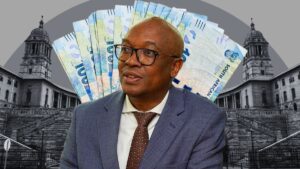
At the meeting for African countries, Edward Kieswetter, the commissioner of SARS, presented on the subject of ‘Tax and Technology – Human Centered Socially Responsible Automation’, highlighting the progress made in building a SMART modern tax authority.
SARS has been en route to use data to its advantage in both compelling tax compliance and making it easier for taxpayers to have their returns filed automatically.
In its latest annual report, the tax authority said that it has been expanding its data profiling and assessment to detect risk automatically, even in complex matters.
Speaking at a discussion with Wits Business School in August, Kieswetter said that SARS is using data and artificial intelligence to risk profile every taxpayer but also to select certain taxpayers for further auditing or investigation.
The tax authority said that initiatives to boost and broaden the use of data are starting to pay off in terms of improving the accuracy of results and strengthening its capacity to spot cases of non-compliance.
At the recent meeting with BRICS, Kieswetter said that it is still important that tax collection does not lose its human touch. He noted that the tax administrators employed by the authorities must aim to serve people.
SARS, alongside the other member states, has issued a compilation of Best Tax Practise – a selection of case studies that can be referred to and showcase developments in tax compliance, new debt management strategies, the use of data, faceless tax administration and smart individual tax income, among others.
“South Africa will assume the Chairmanship of BRICS at the beginning of 2023 and will subsequently host the BRICS Tax meetings in 2023,” said SARS.
“International cooperation is crucial in enabling SARS to deliver on its mandate. Working with and through stakeholders to improve the tax system is implicit in our strategic direction.”
SARS has been aiming to collaborate with international institutions through data. Kieswetter said that when it comes to the machine learning models used by SARS, data from various domestic and international sources are plugged in.
International data sources, according to SARS, include the automatic exchange of information on South Africans with off-shore financial assets from 100 foreign jurisdictions, as well as several mutual administrative agreements with other organisations.
“We endeavour to have effective and beneficial partnerships with all stakeholders, both local and international, in the tax ecosystem that deliver maximum benefits for the taxpayers and traders, government and the public,” said Kieswetter.
“We leverage each other’s strengths to resolve tax administration challenges and improve voluntary tax compliance”, said Kieswetter.
Read: New bank branches where you can get your Smart ID and passport in South Africa













 Loading ...