

Bad to worse for city at risk of becoming a ghost town in South Africa


Newcastle in KwaZulu-Natal is one step closer to becoming a ghost town. ArcelorMittal South Africa (AMSA) confirmed that the Newcastle blast furnace has been temporarily placed into care and maintenance.
This follows AMSA’s failed attempt to secure funding to keep the operations running past 30 September 2025, taking preparatory steps towards the potential closure of its long steel business.
The company had already warned earlier this year that the long steel business was unsustainable.
This was despite receiving a temporary reprieve in March when the Industrial Development Corporation (IDC) stepped in with financial support.
The IDC provided AMSA with R2.6 billion, including a R1.68 billion interest-free loan, to delay closure and buy time for possible solutions through policy changes, partnerships, and assistance from the Department of Trade, Industry and Competition (DTIC).
However, despite these efforts, AMSA told employees last week that no sustainable pathway had been found.
Section 189 notices under the Labour Relations Act were also issued, signalling that job cuts could soon follow.
In its official update to the market, AMSA expressed deep disappointment at the failed rescue effort and acknowledged the human and economic toll the decision would take.
“We recognise the profound impact this uncertainty has on our employees, their families, our suppliers and our customers, and the communities that have grown around the long steel business,” the company said.
The IDC’s decision not to commit further resources to save the business has left Newcastle reeling.
The DTIC has promised to issue a statement “in due course,” but for now, the silence has only deepened the community’s concerns.
Local leaders have sounded the alarm about the damage closure would cause. Newcastle Municipality council speaker Thengi Zulu warned of a collapse in revenue collection and livelihoods.
He pointed out that the city and many small businesses tied to the steel industry would be devastated.
Community businesses in trouble
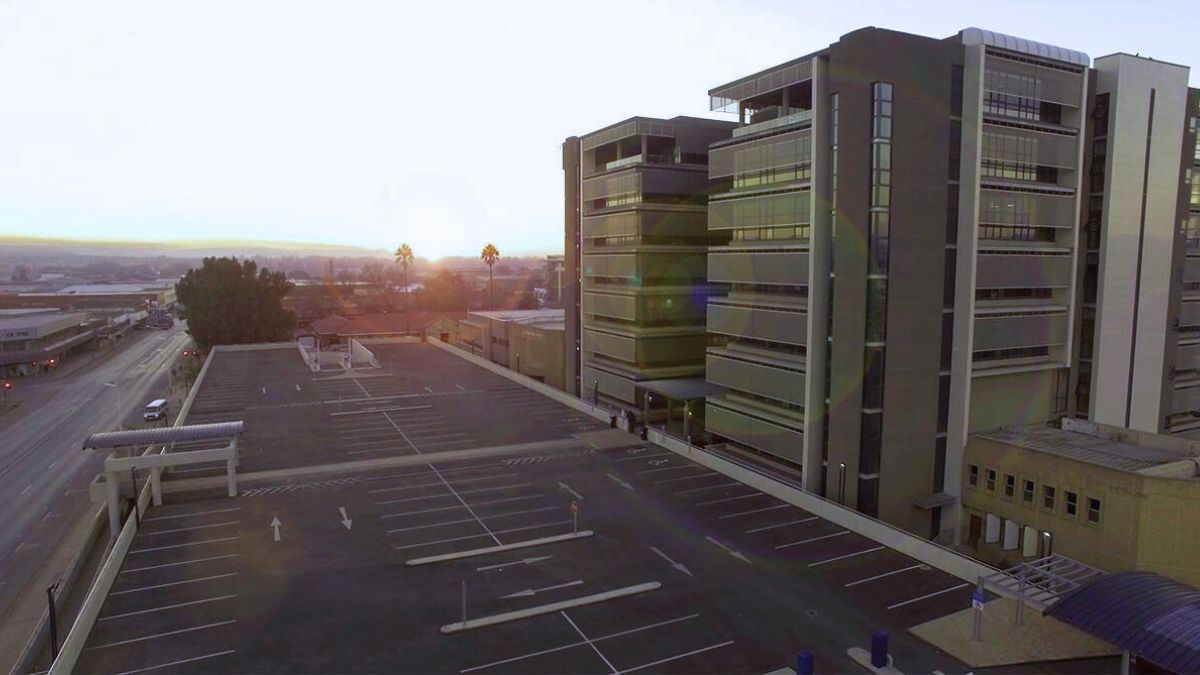
Business leaders have echoed these concerns. Johan Pieters, chairman of the Newcastle Growth Coalition Chapter, appealed directly to President Cyril Ramaphosa in an open letter, describing the potential closure as catastrophic for the region.
“My late father worked for Iscor and later ArcelorMittal for 41 years. Many Newcastle residents share similar stories,” Pieters said, underscoring how deeply rooted the steelworks are in the fabric of the community.
AMSA’s CEO Kobus Verster explained that the decision was driven by structural problems that made the long steel division impossible to sustain.
Demand for steel has been collapsing while input costs have soared, particularly electricity. High Transnet rail tariffs, poor rail performance, and the government’s scrap metal policy have added further pressure.
“Commercially, we cannot support it any longer. We’ve most probably done it for too long already,” Verster said.
Around 3,500 jobs would be lost directly, while studies estimate that as many as 80,000 people could be affected indirectly as downstream businesses, mines, quarries, schools, and small guesthouses dependent on the industry.
The South African Federation of Trade Unions (SAFTU) has fiercely condemned AMSA’s decision, warning that it could spell the end of South Africa’s integrated carbon steel capacity.
“This catastrophic decision will devastate thousands of workers, their families, and entire communities, while driving South Africa’s steel sector and manufacturing base closer to total collapse,” the union said.
SAFTU stressed that smaller minimills cannot produce the volumes or specialised products required by the automotive, construction, mining, and rail industries, putting entire value chains at risk.
Amid the turmoil, there are reports that AMSA’s parent company may be negotiating the sale of its South African unit to the IDC.
People familiar with the matter said offers of as much as R7 billion have been discussed, but the deal is reportedly stuck on disagreements over valuation.
While both parties have until September 30 to finalise due diligence and potentially reach an agreement, but the outcome remains uncertain.














 Loading ...