

Warning for South Africans living in complexes and sectional titles


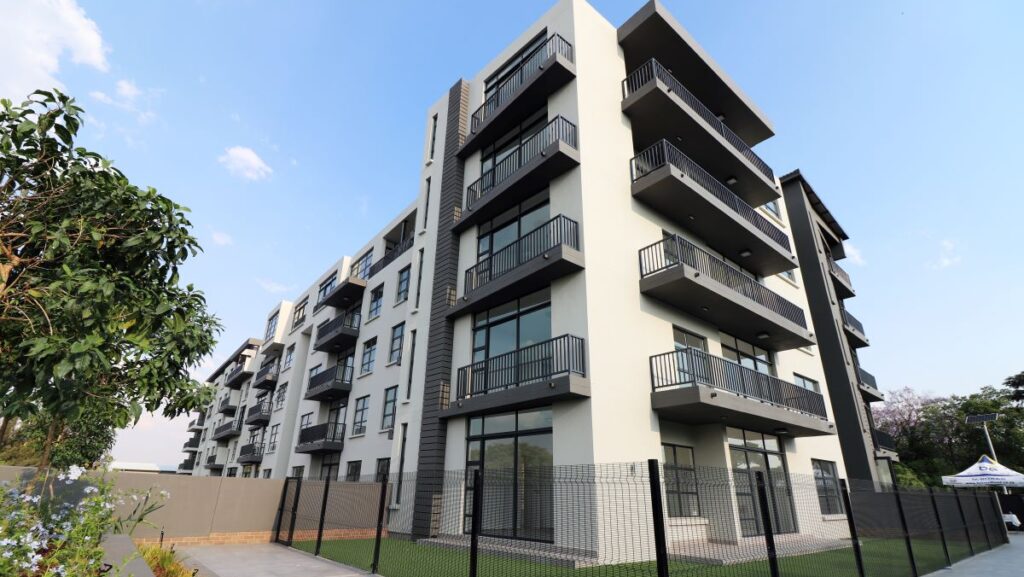
Many sectional title schemes are on the brink of collapse, with owners warned that failure to pay could lead to movable assets being forfeited.
Johlene Wasserman of VDM Incorporated, a specialist in sectional title law, warned that many bodies corporate are struggling amid rising levy defaults.
“A growing number of once-thriving community schemes are becoming shabby; water and electricity supplies are being throttled, and they’re facing the very real threat of sewage and garbage disposal services being stopped altogether.
“Imagine living in a complex where sewage runs down the street, the place reeks of filth and is falling apart.”
She added that unpaid levies are crippling community schemes throughout South Africa. The Community Schemes Ombud Service’s (CSOS’s) 2023/2024 Annual Report recorded over 15,000 dispute applications.
Nearly 10,000 were financial issues, dominated by levy arrears and interest disputes, about 62.5% of all cases.
CSOS itself attributed the surge to the harsh economic climate and high unemployment. Nevertheless, when owners stop paying, schemes start failing.
If an owner owes money and a court judgment has been granted against them, creditors can go the route of a Section 66 application.
“They may not, however, disconnect water, gas or electricity, restrict access to the complex, or publicly shame or defame owners in arrears,” said Wasserman.
“Taking the law into your own hands can backfire. Unlawful disconnections or access restrictions can lead to spoliation claims and serious legal consequences.”
The Section 66 Application allows a judgment creditor, such as a body corporate, to apply for the attachment and sale of a debtor’s movable property to satisfy a debt.
“In practical terms, Section 66 allows for the seizure of movable assets such as furniture, vehicles, and electronics.”
“These assets may then be sold on public auction, and the proceeds used to settle the outstanding debt.”
Recent Judgments

Wasserman highlighted a recent ruling by the South Gauteng High Court, which she called a landmark judgment.
In the case, a sectional title owner owed unpaid levies totalling around R50,000, and the court confirmed that levy arrears are enforceable through the sale of a unit, even where the property is bonded.
The property itself had a market value of R1.4 million and a mortgage of over R600,000.
“While the bondholder remains a secured creditor, levy debts must also be settled before transfer,” said Wasserman.
A separate case ruled that bodies corporate may disconnect electricity for non-payment, provided they comply with statutory limits.
The owner in that case owed R100,000 in levies and utilities, and the court affirmed that legal fees and enforceable costs were recoverable under Regulation 25(4) of the Sectional Titles Schemes Management Act.
“When you buy into a community scheme—whether it’s a sectional title development, homeowners association, or retirement village—you cannot run away from your financial obligations,” Wasserman said.
“We all have to pay our levies – and you don’t have to agree to it in writing; you become a member of the community scheme the minute it’s transferred into your name!”
She provided a host of key legal principles to help South Africans avoid getting in trouble:
- Trustees are urged to act within 60 days of arrears to avoid service disruptions and financial instability.
- Bodies Corporate have a fiduciary duty to protect the scheme.
- Delays in action can lead to special levies, legal battles, and even service cut-offs.
- Even if a unit is rented out or the owner disagrees with management decisions, levies must still be paid. There are no exceptions.
- Owners cannot withhold payment as a form of protest unless they have a court order.
- While the owner remains responsible, under Section 39(1)(f) of the CSOS Act, the Body Corporate can apply for a CSOS order to redirect rental payments from the tenant until the arrears are cleared.
- Bodies corporate may consider structured payment plans or engage with the owner to understand their situation.
- Leniency must be balanced with fairness to other owners and the scheme’s financial health.
- Any reasonable legal fees incurred during the collection process can be claimed back from the defaulting owner.
“With the right legal strategy, you can recover arrears and restore financial stability without crossing legal lines,” Wasserman said.
















 Loading ...