

Trouble for one of South Africa’s largest retailers


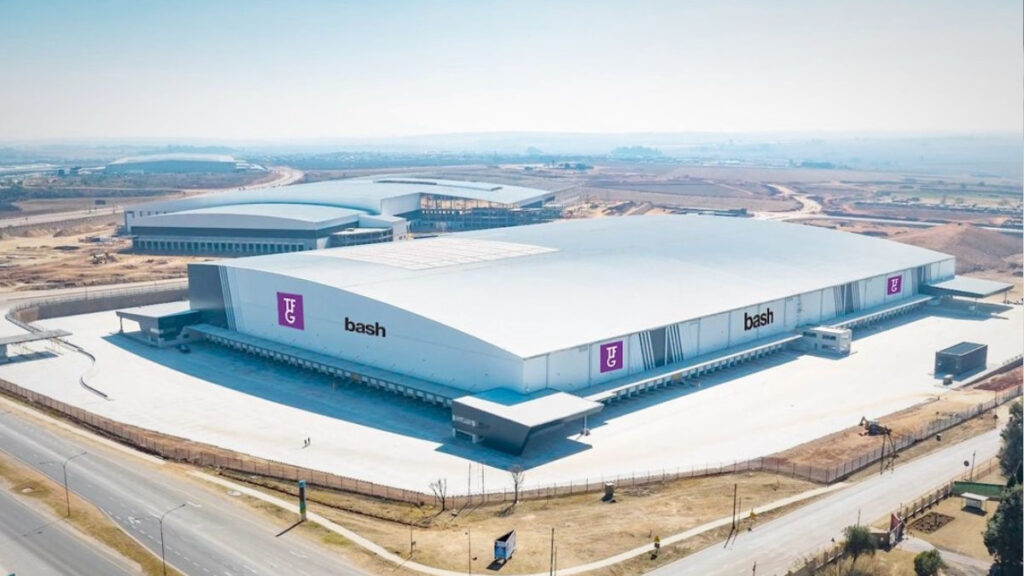
The Foschini Group is expecting a large drop in earnings amid challenging consumer environments in South Africa, the UK and Australia.
In a trading statement for the six months ended 30 September 2025, group sales grew by 12.7% to R29.2 billion (3.5% excluding the recently acquired UK-based White Stuff).
Group online sales grew by 55.3%, contributing 14.7% of total retail sales, including White Stuff. TFG African Online sales grew by 40.2% driven by its Bash platform.
However, the group’s operating leverage across the group arises from subdued sales growth, gross margin contraction and the increase in group finance costs of 14.5% resulting from financing the White Stuff deal.
The group was also impacted by accounting changes for lease charges related to new stores and lease renewals.
As a result, it is expecting basic earnings and headline earnings to drop by between 20% and 25% for the period.
In TFG Africa, consumer sentiment and discretionary spending in South Africa remain subdued for longer than expected despite moderating inflation and recent interest rate cuts.
The South African economy softened significantly towards the end of the period, with GDP growth of around 0.8% year to date.
Sales for the period grew 5.3%, although sales recovered from July to early-September after a difficult June, changes in customer activity and the timing of school holidays sales saw shift to October.
Credit sales grew by 7.9%, even if the acceptance rates for new accounts decreased by 0.7% to 19.6%.
The debtors’ book also grew by 8.0% to R9.0 billion (H1 FY2025: R8.3 billion), with the group stating that the quality of the book is in line with the prior period.
Its markdown from winter clearance activity impacted gross margins by 100 basis points before recovering by a net 90 basis points, marking a contraction by the end of the period.
“Despite good operational cost control, (TFG Africa’s) negative operating leverage from the subdued trading environment resulted in a decline in segmental EBIT of 9.7%,” said the group.
UK and Australia struggles
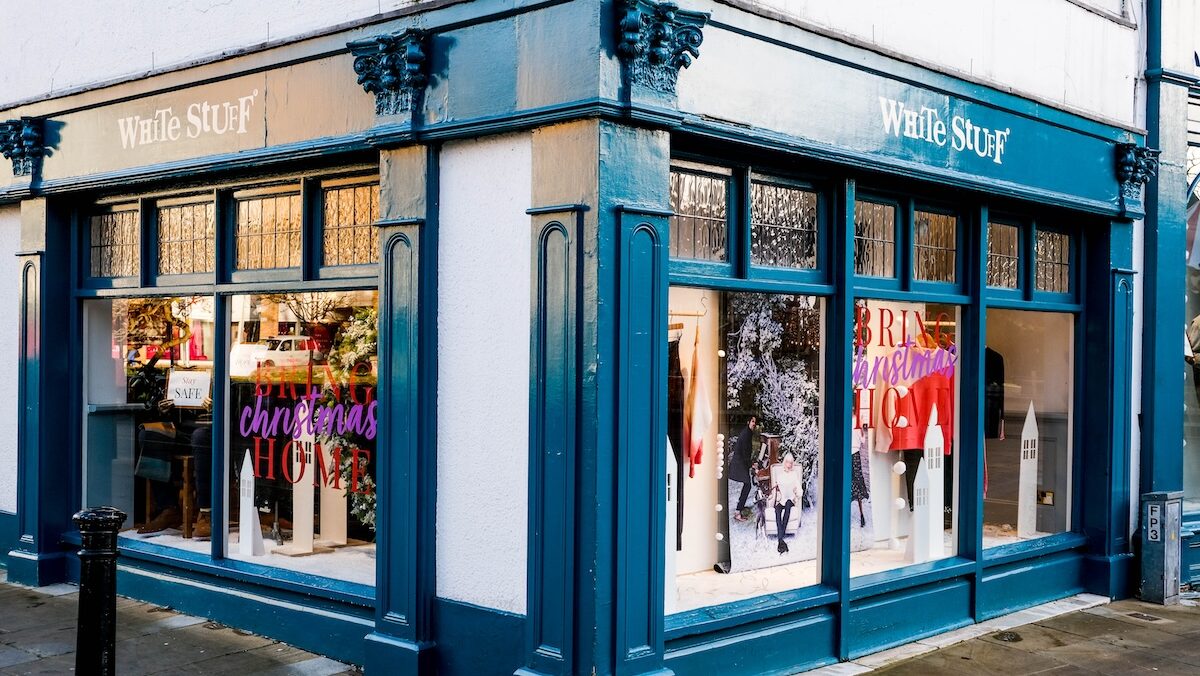
TFG London saw total sales increase by 69.9% in GDP following the addition of White Stuff to its portfolio.
However, excluding White Stuff, sales grew by 0.7% as a weak UK economy impacted trade.
White Stuff was a strong performer, with sales growing 12.5% for the period. With the inclusion of White Stuff, TFG London EBIT grew 9.1%.
However, EBIT excludes finance costs, which doubled to GBP4.0 million due to the White Stuff acquisition in October 2024.
In Australia, discretionary spending remained subdued, even if sales consistently improved throughout the period.
That said, the 1.6% growth in AUD in Q2 could not offset the 2.8% contraction in Q1, with sales contracting by 0.5% over the period.
Due to expenses growing ahead of sales, driven by costs from new stores and continued inflationary pressure on expenses, segmental EBIT declined by 18.4%.
| Metric | H1 FY2026 | H1 FY2025 | Growth | Units |
| Group retail turnover | 29 152 | 25 875 | 12.7% | Rm |
| Less: White Stuff retail turnover | (2 376) | – | – | Rm |
| Group sales excluding White Stuff | 26 776 | 25 875 | 3.5% | Rm |
| TFG London retail turnover | 245 | 145 | 69.0% | GBPm |
| Less: White Stuff retail turnover | (99) | – | – | GBPm |
| TFG London sales excluding White Stuff | 146 | 145 | 0.7% | GBPm |
| White Stuff retail turnover | 99 | 88 | 12.5% | GBPm |
Earnings hit
TFG is currently finalising its results for the period, which are set to be published on 7 November 2025.
The group is expecting basic and headline earnings per share to decline by between 20% and 25% over the period.
| Six months ended 30 September 2024 | Six months ended 30 September 2025 | Expected % change (decrease) | |
| Basic earnings per ordinary share (cents) | 368.3 | 276.2 to 294.6 | (20.0) to (25.0) |
| Basic headline earnings per ordinary share (cents) | 371.6 | 278.7 to 297.3 | (20.0) to (25.0) |


















 Loading ...