

Big changes coming for major diesel users in South Africa


South Africa’s largest diesel users are set to face major changes as the South African Revenue Service (SARS) rolls out a complete overhaul of the Diesel Refund Scheme.
The changes mark the biggest update to the system since it was introduced in 2001 and are aimed at reducing errors, tightening compliance, and closing loopholes that have left the scheme open to abuse.
The Diesel Refund Scheme allows qualifying users to claim back some or all of the general fuel levy and the Road Accident Fund (RAF) levy on diesel used in specific primary production activities.
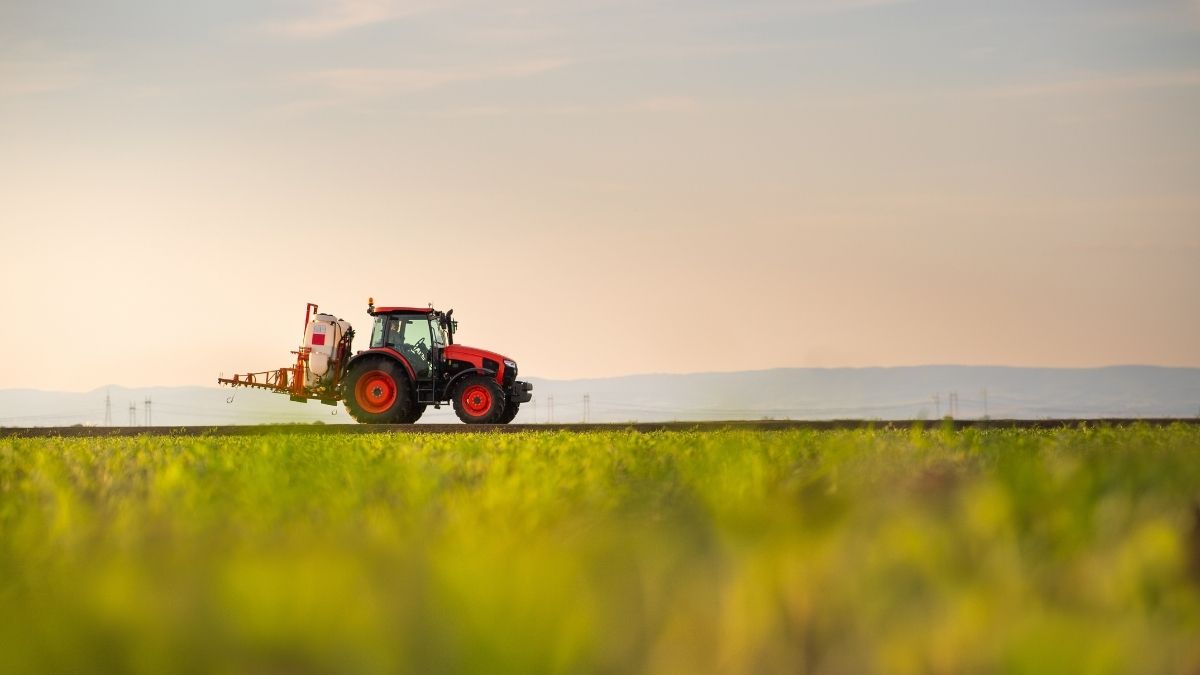
For many businesses, particularly in agriculture, mining, fishing, and transport, the refund plays an important role in keeping operating costs down, as large volumes of diesel are often used off public roads.
However, the system has become increasingly problematic. One of the biggest issues was that diesel refunds were linked to the VAT system, which created administrative burdens that many businesses struggled to meet.
Record-keeping requirements were another major challenge. Many claimants were unable to meet SARS’s expectations for diesel logbooks, which had to be detailed and maintained to a strict standard.
As a result, valid claims were often rejected because logbooks were incomplete or did not comply fully with the rules.
Additionally, the system lacked proper risk checks, allowing ineligible applicants to register and submit claims with little upfront verification. This made the scheme vulnerable to fraud and abuse.
In December 2025, SARS announced that it would modernise the Diesel Refund Scheme to address these problems.
The new system is designed to give claimants a more streamlined, digital experience while improving compliance and oversight.
A key change is that diesel refunds will now be processed on a standalone platform, separate from VAT, under Schedule 6 of the Customs and Excise Act.
Under the revamped system, both diesel sellers and eligible diesel users will be required to register on the new platform.
Qualifying diesel users
SARS said this will improve traceability and oversight across the supply chain, making it easier to verify claims and identify irregular activity.
Claimants will also be able to track the status of their refund claims in real time, bringing greater transparency to a process that has often been slow and unclear.
The system will also include automated checks and validations, which SARS said should reduce errors and speed up processing.
Importantly for many businesses, simplified diesel logbooks will be introduced. These will be tailored to different types of entities, addressing one of the biggest compliance hurdles under the old system.
SARS has committed to supporting businesses through the transition by hosting information sessions and providing detailed guidance on each phase of the rollout.
The first information session took place on 27 November 2025, and SARS has said further sessions will be announced.
The Diesel Refund Scheme will continue to apply to a wide range of qualifying primary activities.
These include on-land sectors such as farming, mining, and forestry, as well as offshore and marine operations like commercial fishing vessels, offshore mining, harbour vessels, research vessels, and vessels operated by Portnet or used in bunker operations.
Rail freight operators using diesel locomotives also qualify, along with electricity generation plants with a capacity of more than 200 megawatts per plant.
Industry groups have welcomed the changes. Corné Louw from Grain South Africa noted that the diesel refund is one of the few direct benefits for primary producers and emphasised the industry’s commitment to preventing abuse of the system.
He said the previous compliance requirements often went too far and created uncertainty, and that the new electronic system should help clear up grey areas.
Louw added that organised agriculture supports separating the diesel refund from VAT and has been involved in consultations on the revamp since 2017.

















 Loading ...