

SARS going after South Africans who buy these two things


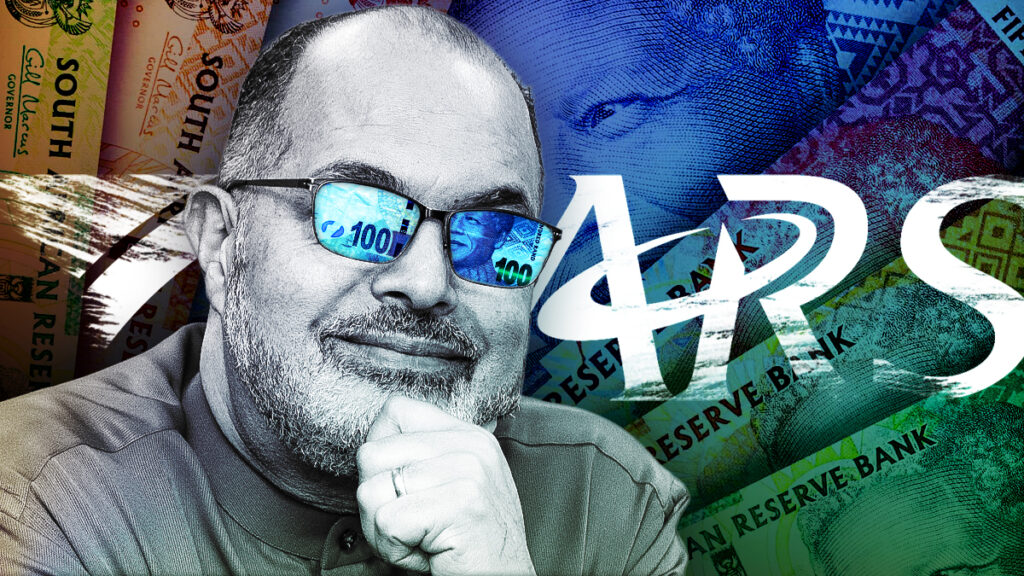
The South African Revenue Service (SARS) has noted that luxury vehicles and properties will be a focus area in the upcoming financial year as it pays special attention to wealthy South Africans.
During SARS’ revenue announcement presentation last year, the SARS Commissioner Edward Kieswetter said that the increase in collections shows efforts to combat non-compliance are working.
As a result, the revenue service plans to continue using the tools that have proven effective in identifying taxpayers whose declared income does not align with their lifestyles.
A big part of this strategy is the ongoing monitoring of bank accounts and third-party data.
SARS has for several years relied on this information to flag cases where spending patterns and asset ownership appear inconsistent with tax declarations.
Kieswetter reiterated that high-net-worth individuals remain a priority area, warning that visible displays of wealth are increasingly drawing attention.
“Displays of wealth, such as luxury cars and high-value properties, are being flagged and subjected to deeper scrutiny,” Kieswetter said.
He added that while SARS aims to encourage compliance, it is also prepared to act decisively where necessary.
He added that the revenue service is committed to achieving voluntary compliance, but is simultaneously deploying robust case management and targeted enforcement to protect fiscal fairness.
Apart from personal income tax, SARS is also working to improve compliance in areas such as estate duty, capital gains tax, donations tax, and cross-border transactions.
These efforts include closer scrutiny of trusts, family offices, and related structures, which are often used in wealth planning.
According to Kieswetter, this is part of a broader drive to close gaps in wealth reporting and ensure that assets are taxed correctly.
Lifestyle audits have emerged as one of SARS’ most effective enforcement tools. Kieswetter said these audits frequently uncover serious misconduct.
“In our specialised audit thematic interventions that were completed in 2025, 236 HNWI lifestyle audits were initiated, many of which were flagged by luxury vehicles and properties,” he said.
“Sadly, luxury vehicles and properties are used to mask financial flows, and it’s straightforward, blatant money laundering. And our focus on that cannot be enough.”
Fundamental shift in how SARS operates
These audits have already produced significant results. SARS has raised tax assessments totalling R1.8 billion from lifestyle audit cases alone.
In addition, 28 Pay-As-You-Earn and Employment Tax Incentive audits resulted in further assessments of R230 million.
The message from the revenue service for the new financial year is that unexplained wealth will be investigated, and SARS now has more tools than ever to follow the money trail.
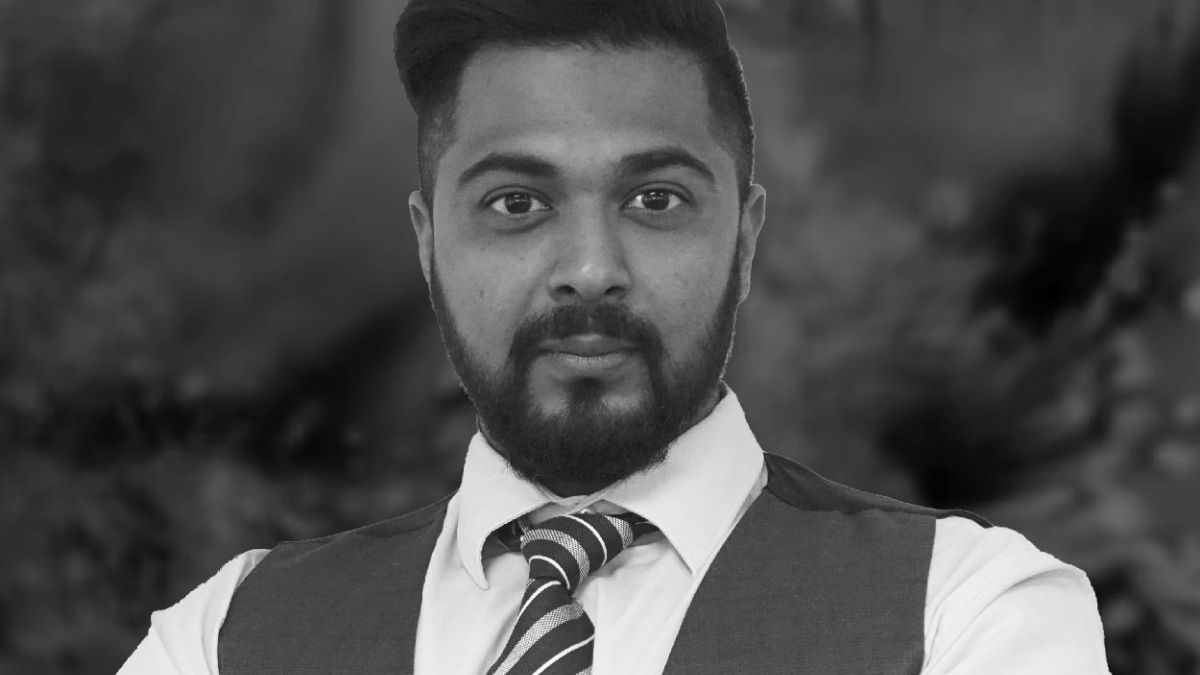
Jashwin Baijoo, head of engagement and compliance at Tax Consulting South Africa, told BusinessTech that since Kieswetter outlined his modernisation vision in 2019, SARS has steadily expanded its use of third-party information.
Data is routinely sourced from banks, the Deeds Office, vehicle licensing authorities, financing institutions, and even public sources such as social media. This information is then compared with what taxpayers declare in their returns.
According to Baijoo, this marks a fundamental shift in how SARS operates. “Long gone are the days where SARS relied solely on taxpayer transparency in the completion of tax returns,” he said.
“SARS has developed and deployed an arsenal of information-gathering tools, allowing auditors to build a clear picture of a taxpayer’s lifestyle and asset base.”
Baijoo said advanced data analytics, artificial intelligence, and automated risk detection systems are now used to identify anomalies, including undeclared offshore assets.
Returns flagged as high risk are then selected for verification or full audit, often catching taxpayers off guard.
While individuals who acquire luxury assets through legitimate, fully declared income generally have little to fear, Baijoo warned that the net has widened considerably.
“Through its modernisation, SARS has significantly bolstered its capabilities to monitor and address the tax affairs of high-wealth individuals and businesses,” he said.
An example of this was when an established Gauteng businessman discovered just how vigilant SARS had become.
Baijoo explained that when he posted a social media video of his purchase of five luxury vehicles, priced at R11 million, SARS proceeded to perform an investigation, which culminated in an asset seizure operation.
For wealthy taxpayers, SARS has also assigned dedicated relationship managers to oversee compliance more closely.
This proactive approach is designed to ensure accurate tax assessments while reducing the risk of costly disputes and legal consequences.












 Loading ...