

Ramaphosa deploys army to take on mafias in South Africa


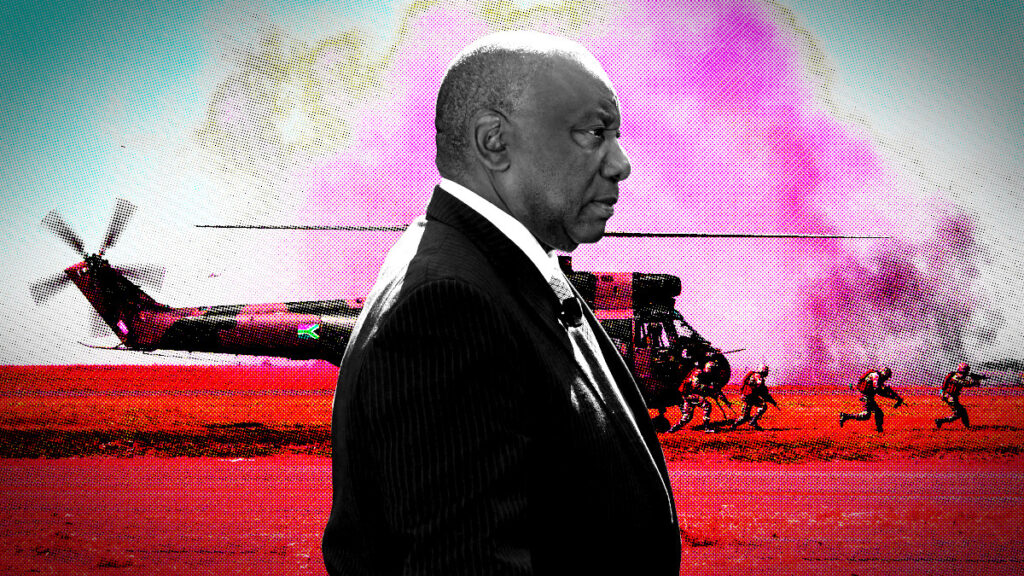
President Cyril Ramaphosa has issued a major warning to mafia-style organised crime groups, declaring that their grip on parts of South Africa’s economy and communities will no longer be tolerated.
Last year, the World Bank released a report that estimated that the cost of crime in South Africa is around 9.6% of the country’s Gross Domestic Product (GDP).
This includes direct losses of 2.6% of GDP, 4.2% in expenditures such as security and insurance, and 2.8% in opportunity costs.
The report said these resources could elevate South Africa’s growth rate by at least a percentage point if productively invested.
Additionally, using data from think tank organisations and public statements by government officials, the Democratic Alliance (DA) was able to establish that organised crime syndicates are bleeding the national economy of R155 billion every year.
These groups include the Eskom mafia, illegal mining networks, wildlife syndicates, public infrastructure stripping networks, and the construction mafia, among others.
“The R155 billion is a conservative figure as it only reflects the direct costs incurred by the state or legitimate players in that specific sector as a result of the operations of criminal networks,” the DA said.
“It does not factor in the knock-on effects that these crimes have on the economy”.
Delivering his State of the Nation Address (SONA) on Thursday evening, Ramaphosa said criminal syndicates have reached a point where they are directly undermining economic activity and democratic stability.
“Building sites are shut down by criminals. This must and will change,” he said. The president described organised crime as enemy number one in South Africa, and the most pressing internal threat.
“Organised crime is now the most immediate threat to our democracy, our society and our economic development,” he said.
He made it clear that confronting these networks would be the government’s top security priority in the year ahead.
“Our primary focus this year is on stepping up the fight against organised crime and criminal syndicates. And we will do so.”
SANDF to be deployed in the Western Cape and Gauteng
Ramaphosa outlined a coordinated national crackdown that will rely on improved intelligence and multi-agency cooperation.
“Using technology, intelligence, and integrated law enforcement, we will tackle organised crime,” he said.
This will include “consolidating intelligence at the national level, identifying priority syndicates and deploying handpicked multidisciplinary intervention teams focused on dismantling criminal networks.”
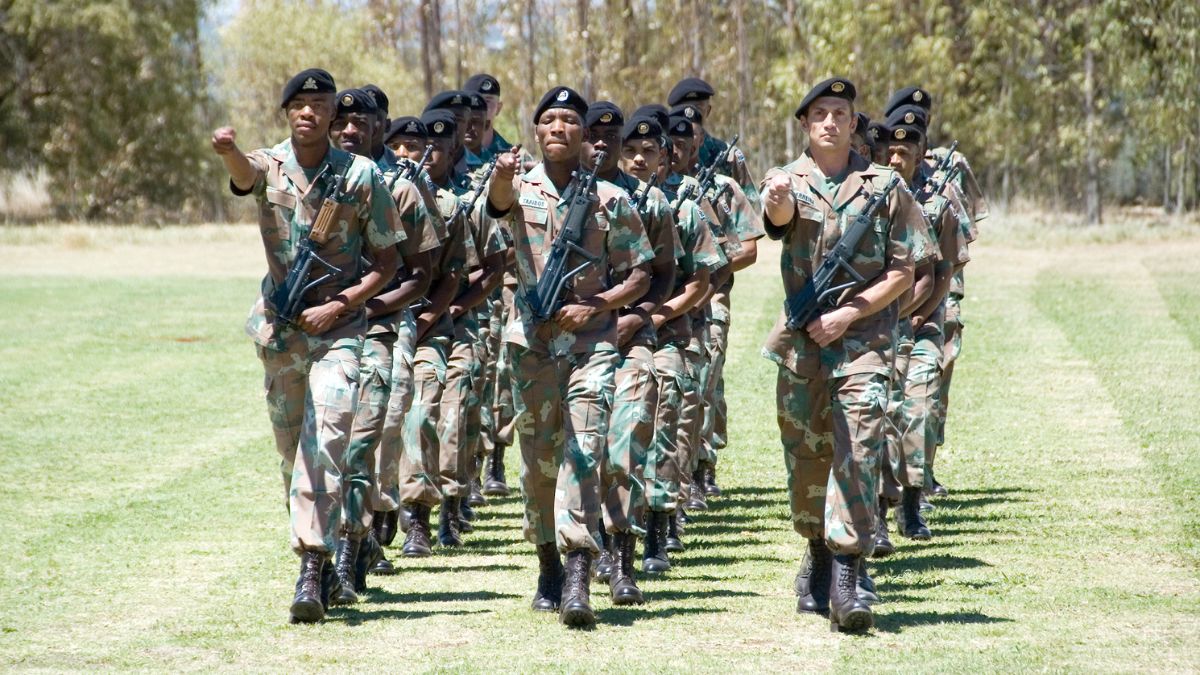
Ramaphosa confirmed that the South African National Defence Force (SANDF) will be deployed to support police operations.
“Now to strengthen our fight against gang violence, I will be deploying the South African National Defence Force to support the police,” he announced.
“As I said, I will be deploying the South African National Defence Force to support the police, as we did to great effect with illegal mining.”
He said he has already instructed security leaders to act. “I have directed the Minister of Police and the SANDF to develop a technical plan on where our security forces should be deployed within the next few days,” Ramaphosa said.
He added that the operations will focus on the Western Cape and Gauteng to deal with construction mafias, gang violence, and illegal mining.
“As is required by the Constitution, I will inform the National Assembly and the National Council of Provinces regarding the timing and place of the deployment of our soldiers and what it will cost.”











 Loading ...