

R2 billion mess in South Africa’s capital


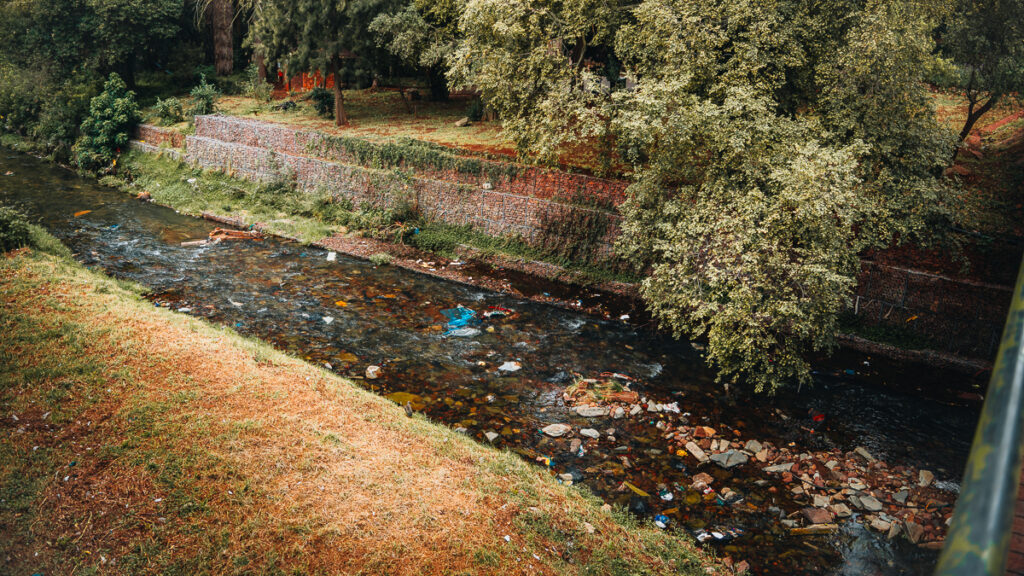
In 2025, the City of Tshwane called for R2 billion in investment to refurbish the chemically and microbiologically polluted Apies River, which flows through Pretoria.
In February 2026, Department of Water and Sanitation Director General Sean Phillips said that the R407 billion ($25.25 billion) investment required for South Africa’s water and sanitation infrastructure is only enough to cover 105 worst-performing municipalities—excluding major metropolitan areas.
Phillips said the backlog could double when metropolitan areas are included.
This highlights the urgent situation faced by facilities like the Rooiwal Waste Water Treatment Works (WWTW), exemplifying the broader challenges within the system.
The Rooiwal WWTW plant, which is owned by the City of Tshwane, has been overloaded with sewage, causing discharges of untreated waste into the Apies River for years.
The Apies River, named after the Afrikaans word “Apies” meaning monkeys, refers to the historical abundance of vervet monkeys, which once populated the riverbanks.
Also known as the Tshwane River, the Apies River flows through the city of Pretoria and the Pretoria National Zoological Garden, starting in the Fountains Valley and draining into the Pienaars River.
Residents near the river noted that pollution began to build up as early as 2005, with some describing it as unbearable by 2011.
During this time, the Apies River was declared a disaster zone by the Department of Water and Sanitation due to high pollution levels.
Farmer Theunis Vogel, who lived near the Apies River, told The Citizen in 2021 that the river had contaminated his irrigation dam, costing him millions of rands to repair.
In August 2025, the City of Tshwane called for over R2 billion in investment at the Tshwane Investment Summit to fund phase 2 of refurbishing the Apies River to end pollution and stabilise the water supply to Hammanskraal.
A flowing safety hazard
In 2021, the South African Human Rights Commission (SAHRC) began investigating several polluted rivers in Tshwane.
They held a one-day inquiry into ongoing issues of sludge and raw sewage spilling into the Pienaars and Roodeplaat rivers from the Baviaanspoort wastewater treatment plant operated by the metro.
Former SAHRC Gauteng head Buang Jones said that the investigation also covered other rivers flagged by the commission, such as the Apies and Hennops rivers.
A 2021 study by the University of South Africa’s Department of Environmental Science found that the Apies River was polluted both chemically and microbiologically, with pollution increasing significantly downstream.
The study stated that, apart from natural pollution, anthropogenic (human-made) sources are the main contributors to both chemical and microbial pollution in the river.
The study found that the biggest contributors are agricultural runoff, municipal WWTW like the Rooiwal WWTW, and direct waste deposits into the river.
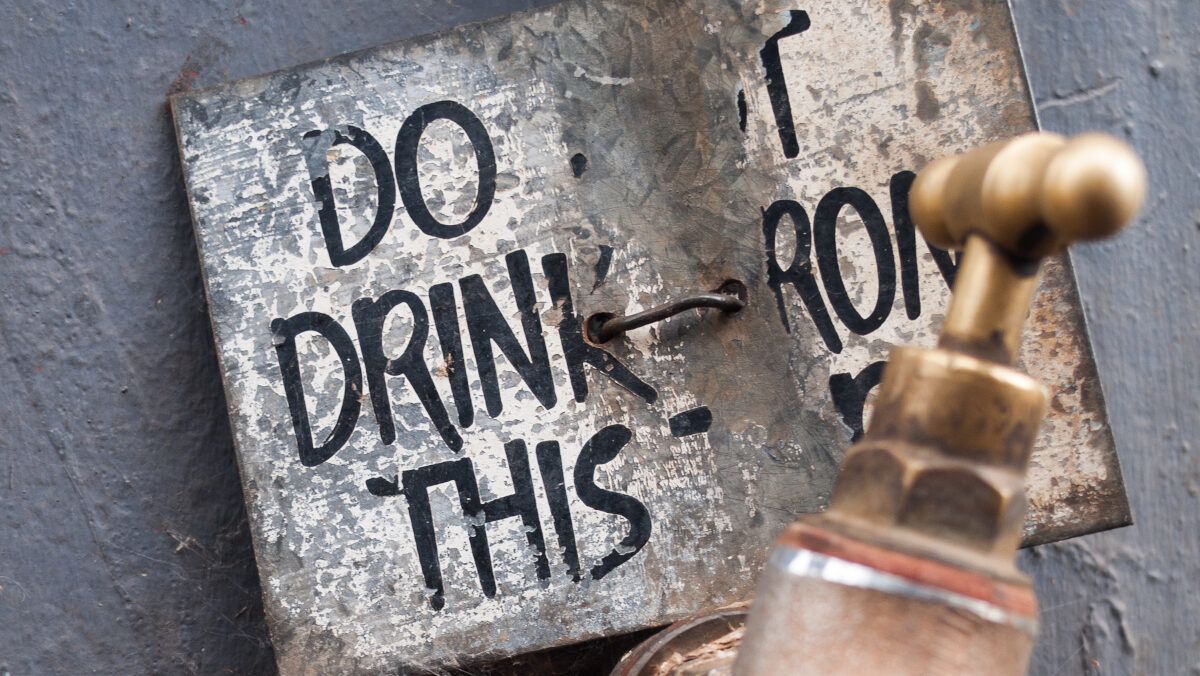
The high pollution levels make the Apies River unsafe for human consumption and domestic use, as pathogens such as E. coli are present in the water.
Downstream, the Apies River has been found to have high ammonia concentrations, thereby failing drinking water standards.
The river is considered acceptable for water sports such as canoeing and water skiing, but unsafe for full-contact recreation like swimming, as the water poses a risk of gastrointestinal illness.
Although the river water is unsafe for consumption, its physicochemical state makes it safe for agricultural irrigation, such as crop irrigation.
Whilst direct pipelines from facilities like the Rooiwal WWTW clearly cause damage to the river, invisible or “non-point sources” are responsible for more than 60% of river water pollution worldwide.
Some non-point source contributors include animal faeces, urban run-off, and faulty septic systems—all of which are much more difficult to control and count.
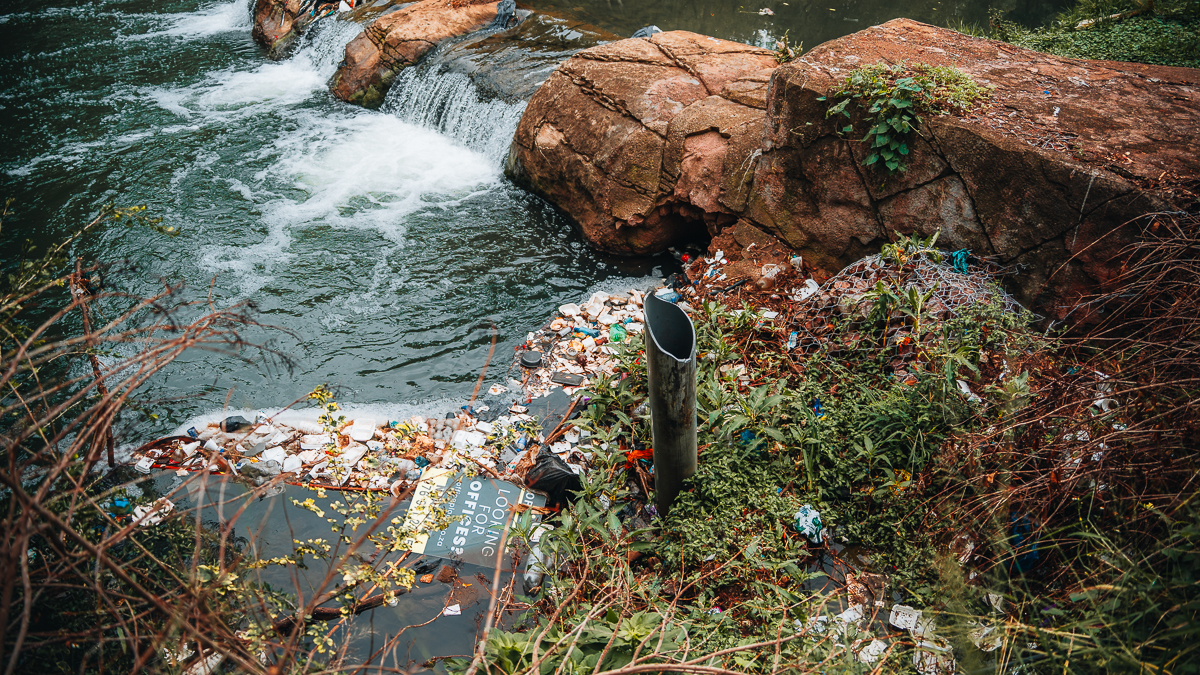
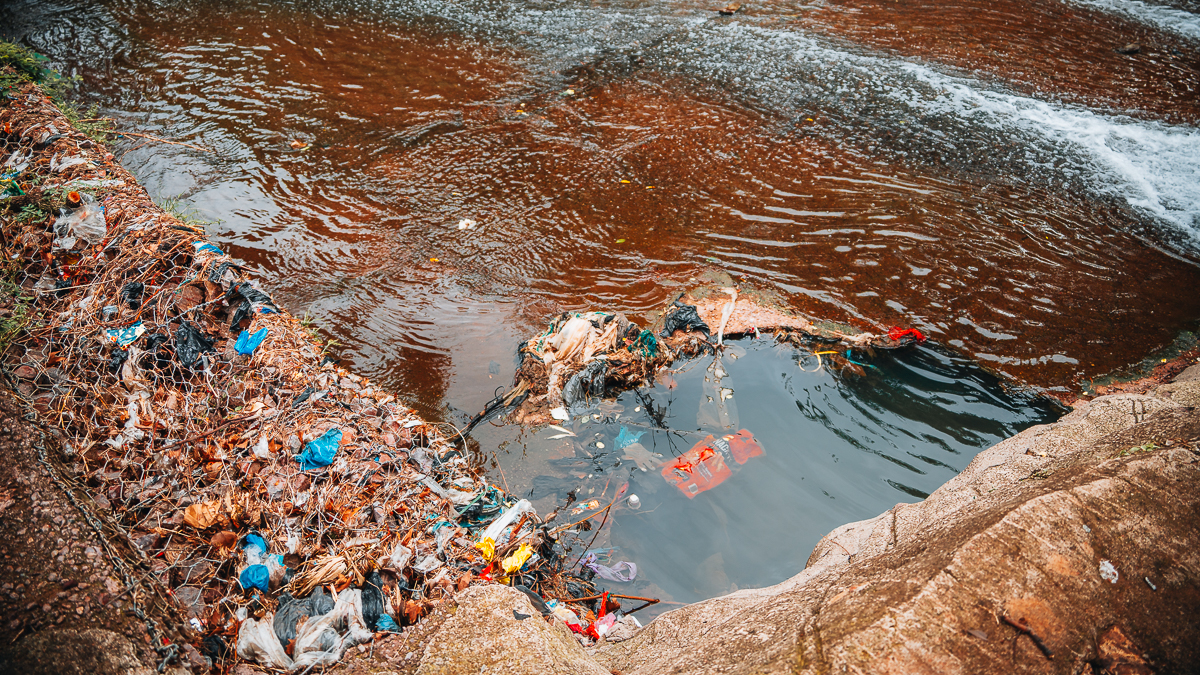
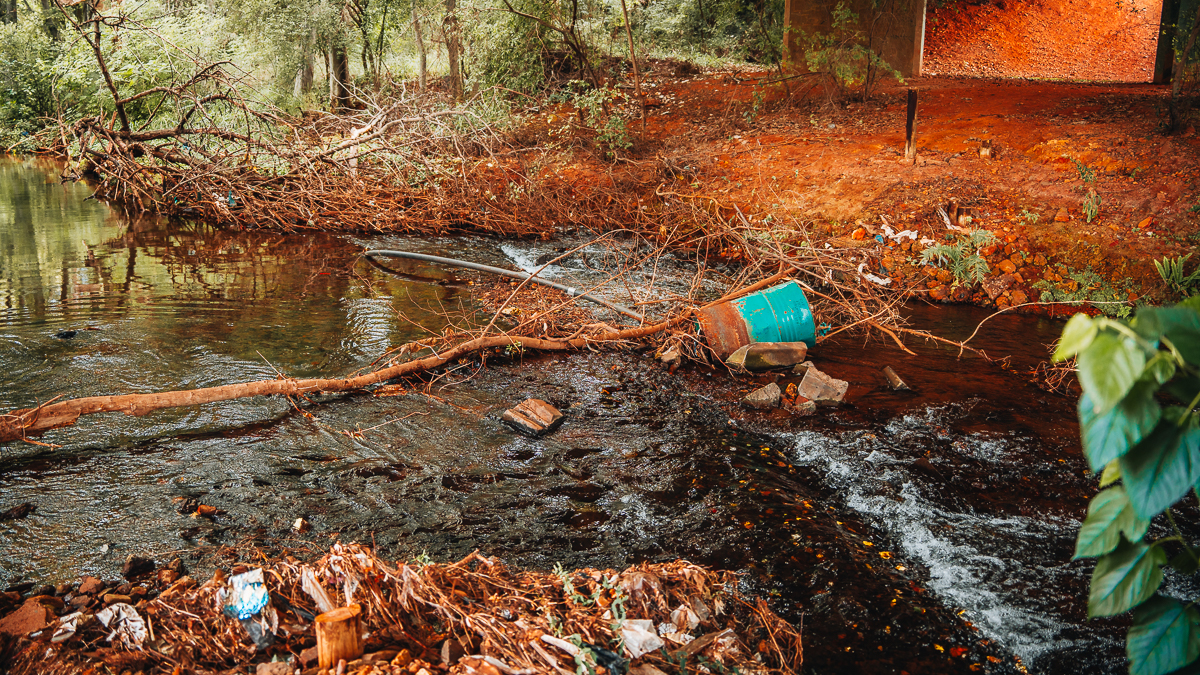
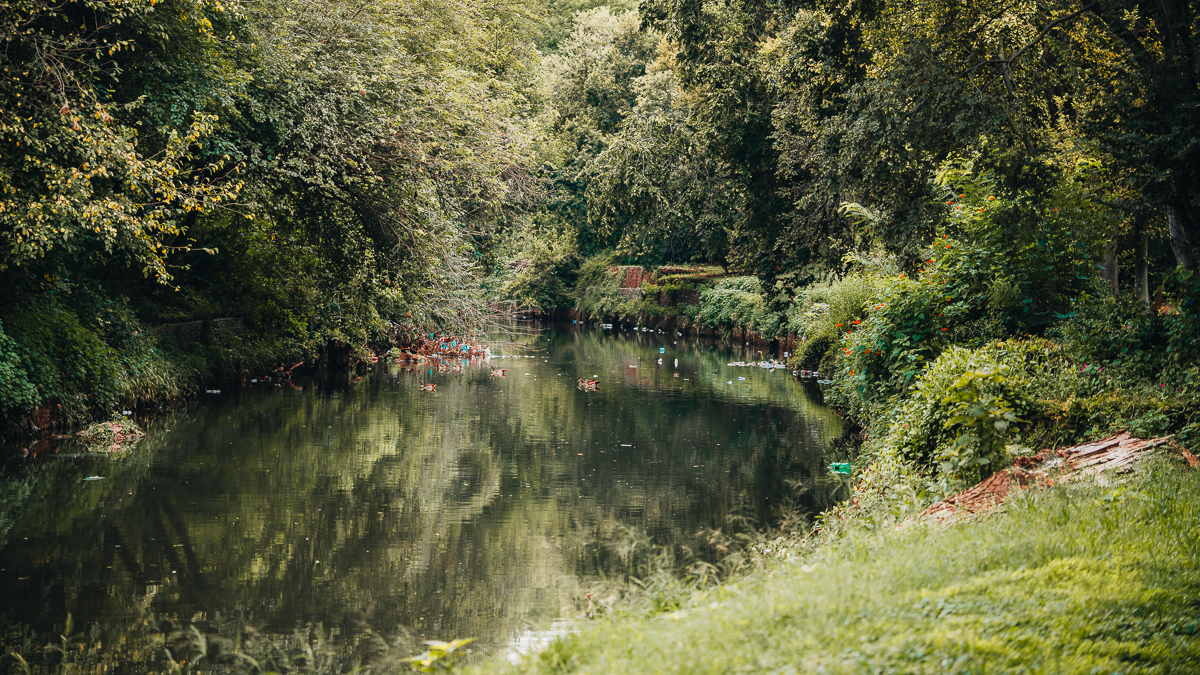
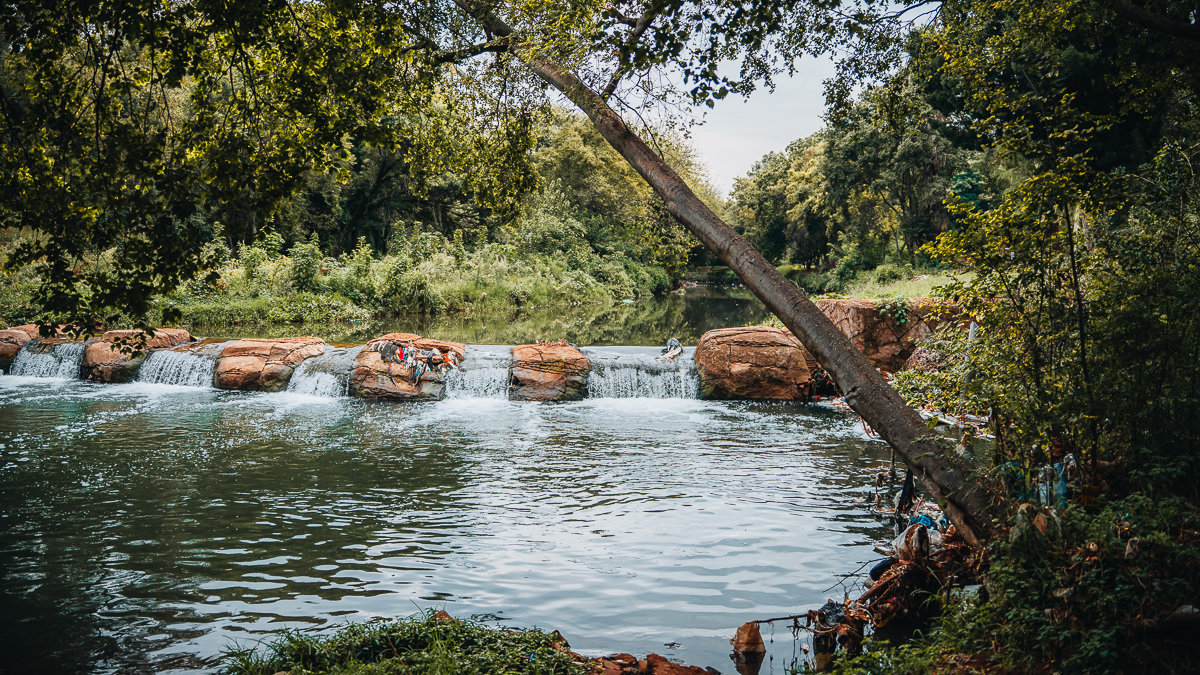
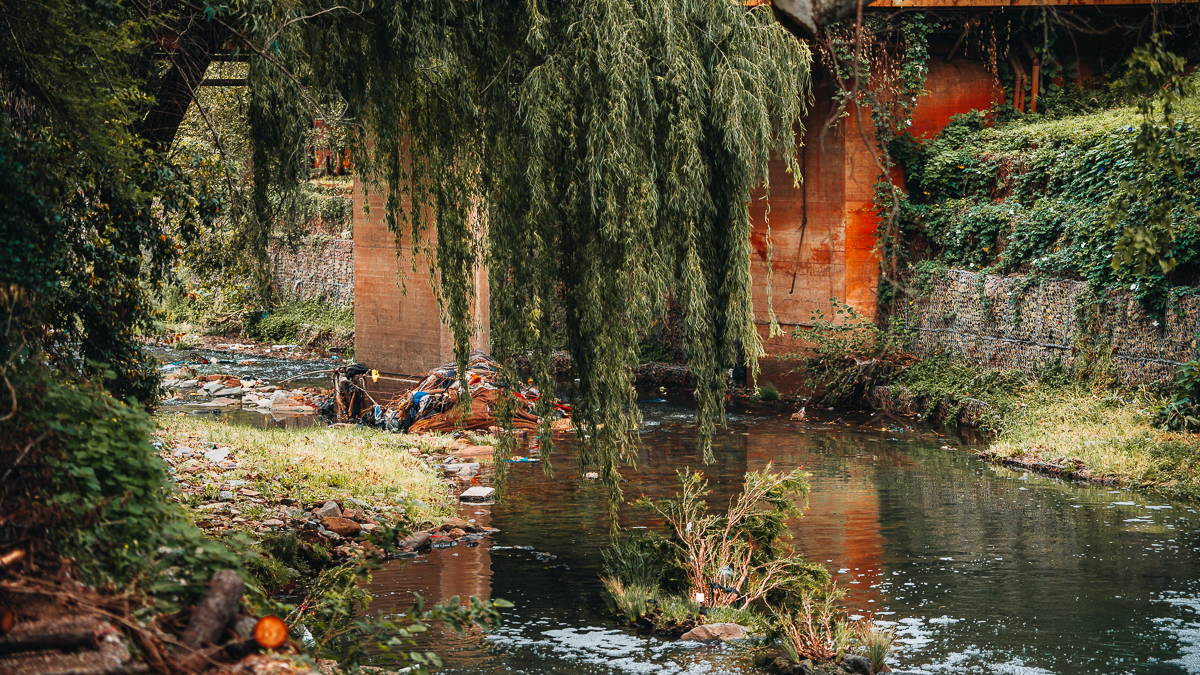
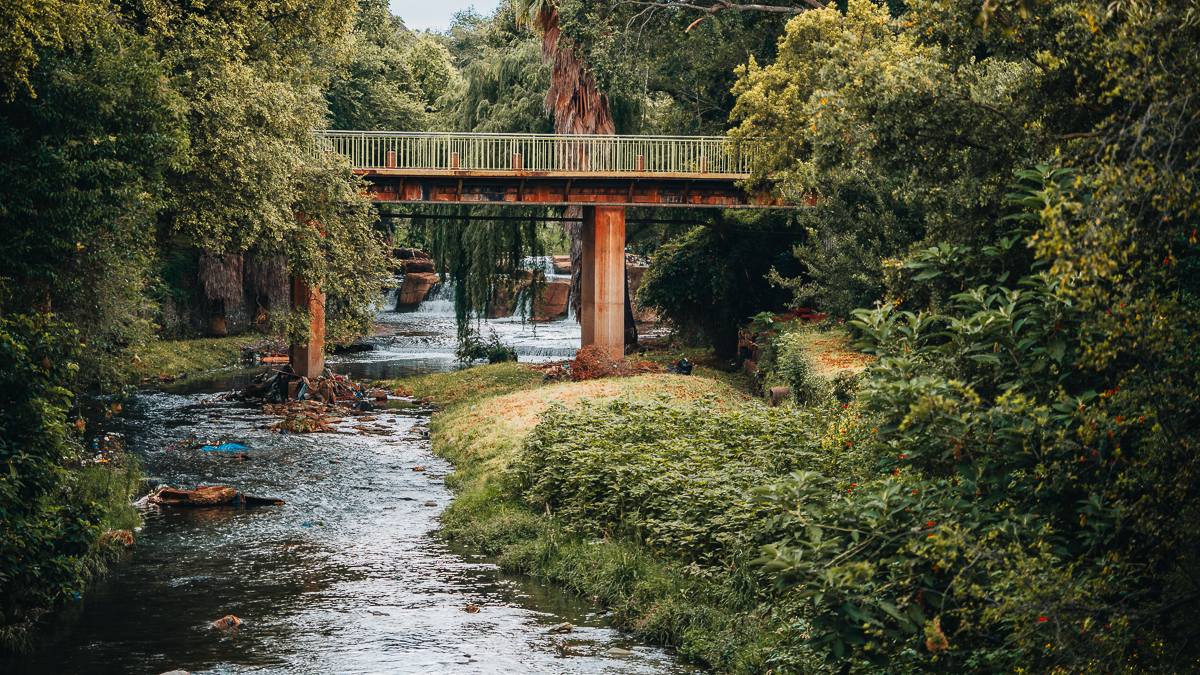
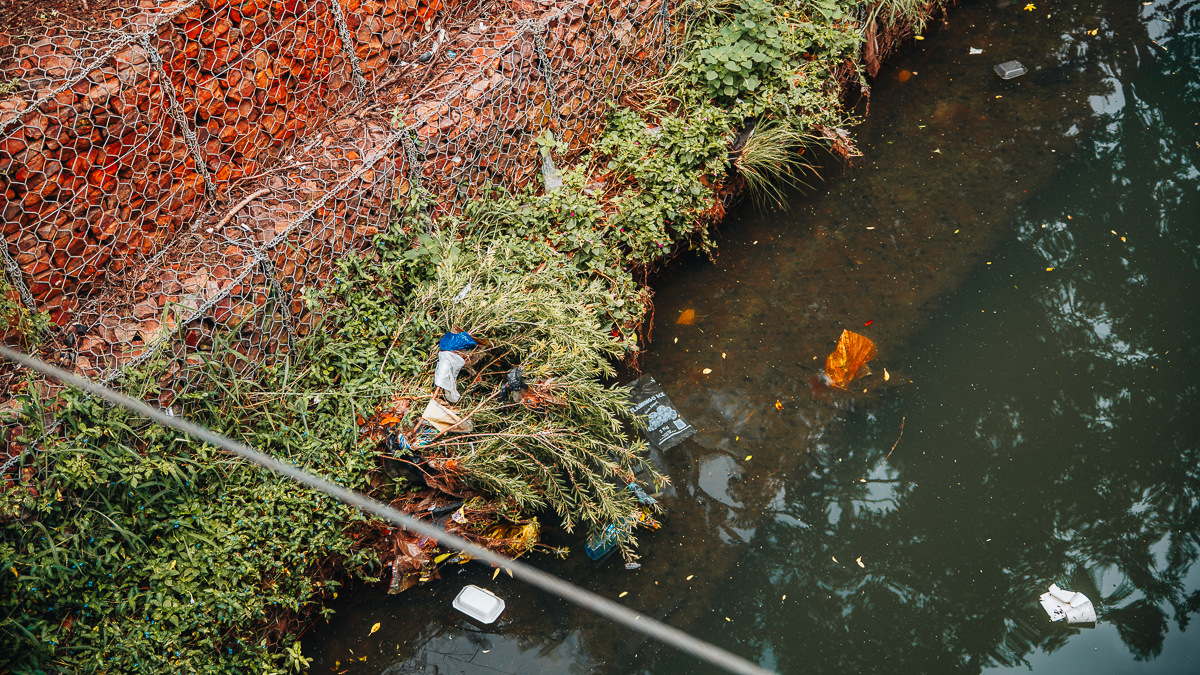
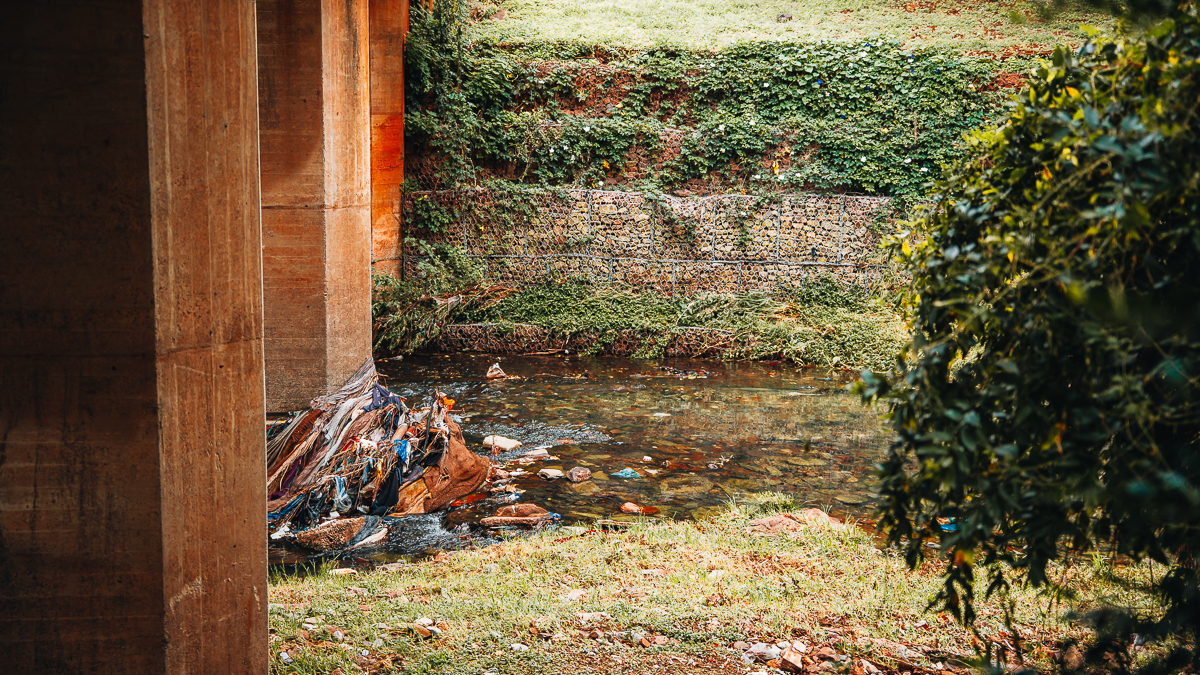
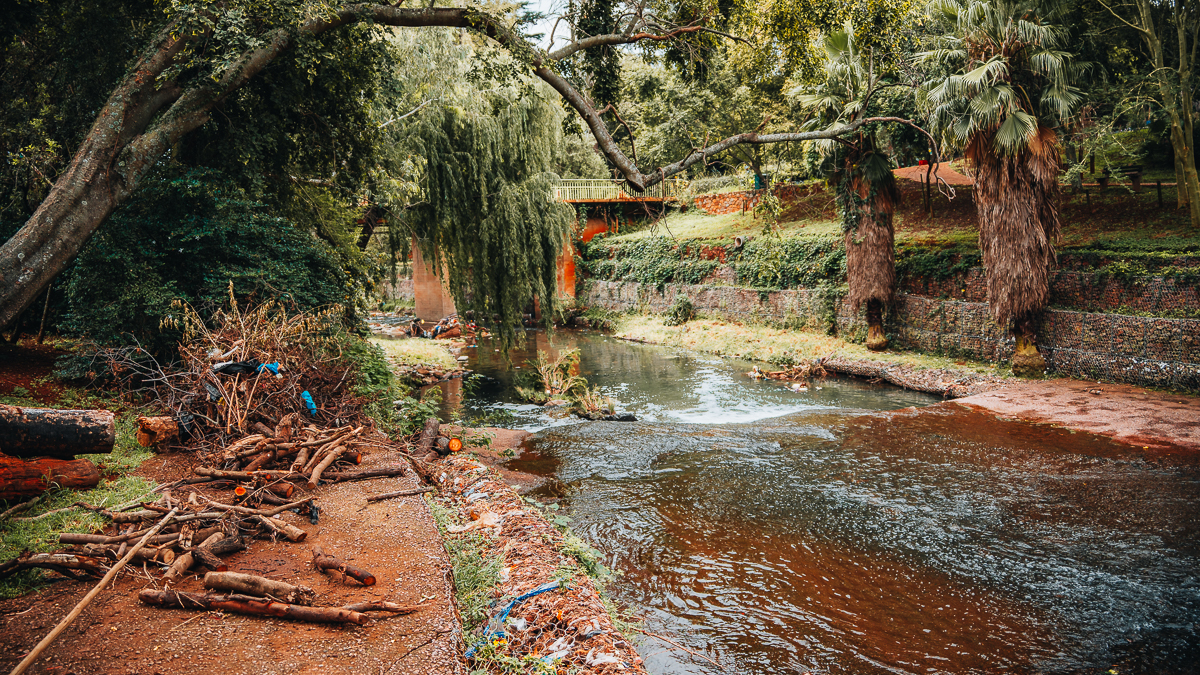
Photos of the Apies River from within the Pretoria National Zoo.














 Loading ...