

Early warning signs for homeowners in South Africa


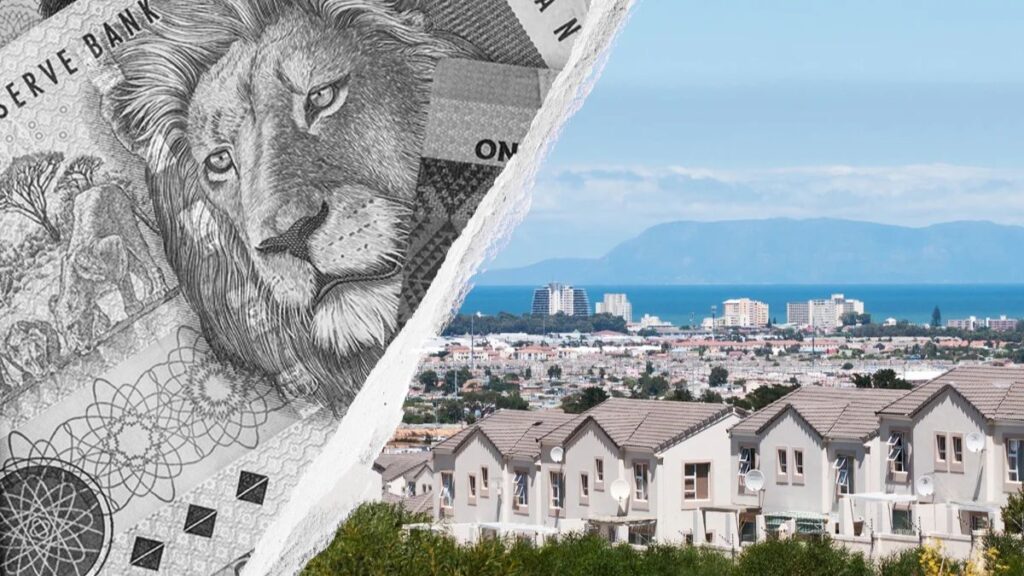
The Reserve Bank has warned that interest rate hikes may be warranted if the Iran war drags on, which could mean homeowners would have to pay more on their home loans in the near future.
The South African Reserve Bank (SARB) has decided to keep interest rates unchanged amid heightened volatility in global financial markets caused by the conflict in the Middle East.
This leaves the repo rate at 6.75% and the prime lending rate at 10.25%. The decision was unanimous, with all six members of the MPC voting to hold.
However, the central bank also made it clear that the outlook could change quickly if geopolitical tensions in the Middle East continue to drive up oil prices and weaken the rand.
Several property experts noted that the key warning sign now facing homeowners is the possibility that inflation could rise again and force interest rates higher.
The Reserve Bank has already modelled scenarios in which the Iran war drags on, oil remains above $100 a barrel, and the rand weakens further.
In those cases, inflation would rise well above the Bank’s comfort zone, increasing the risk that rate cuts are delayed—or that hikes return.
Berry Everitt, CEO of the Chas Everitt International property group, said many borrowers would welcome the decision to hold rates, particularly recent buyers with new home loans.
However, he warned that the latest announcement should serve as a wake-up call.
“Important as they are, interest rates are really only one of many factors shaping today’s residential property market,” said Everitt.
He added that the decision shows how quickly the balance of risks can shift because of factors that ostensibly have nothing to do with real estate”
Everitt warned that upward inflation pressures, driven in part by geopolitical tensions and higher oil prices, now pose a meaningful threat to the outlook on rates.
This means homeowners should not assume lower borrowing costs are around the corner.
Household finances under pressure

Jonathan Kohler, founder and CEO of Landsdowne Properties, said another warning sign is the mismatch between buyer demand and house prices. According to Kohler, market activity is recovering faster than many realise.
“Buyer activity has already begun to improve, supported by rising enquiry levels and home loan applications, yet pricing remains anchored to the previous cycle,” said Kohler.
He said the biggest risk for buyers right now is waiting for rate cuts that the market has already started pricing past.
In other words, people holding off in the hope of perfect conditions could end up missing the best value window.
At the same time, Andrew Golding, chief executive of the Pam Golding Property group, warned that stubborn inflation and high interest rates are putting real pressure on household budgets.
“A period of elevated inflation and interest rates may place some pressure on household finances, directly impacting housing affordability,” said Golding.
He noted that higher fuel, transport and food costs may also hurt existing homeowners’ ability to service mortgages.
This is the clearest danger for current homeowners. Even if rates stay unchanged, rising day-to-day expenses can still make monthly bond payments harder to manage.
Samuel Seeff, chairman of the Seeff Property Group, believes the Reserve Bank should resist overreacting to global shocks.
“The Bank must guard against any premature or reactionary rate hikes triggered by the temporary oil price spike and petrol volatility caused by the Middle Eastern war,” said Seeff.
He argued that economic stability is vital and the outlook must remain clear for at least two more cuts this year.
















 Loading ...