

Tiny South African municipality in the desert where the average person makes over R500,000


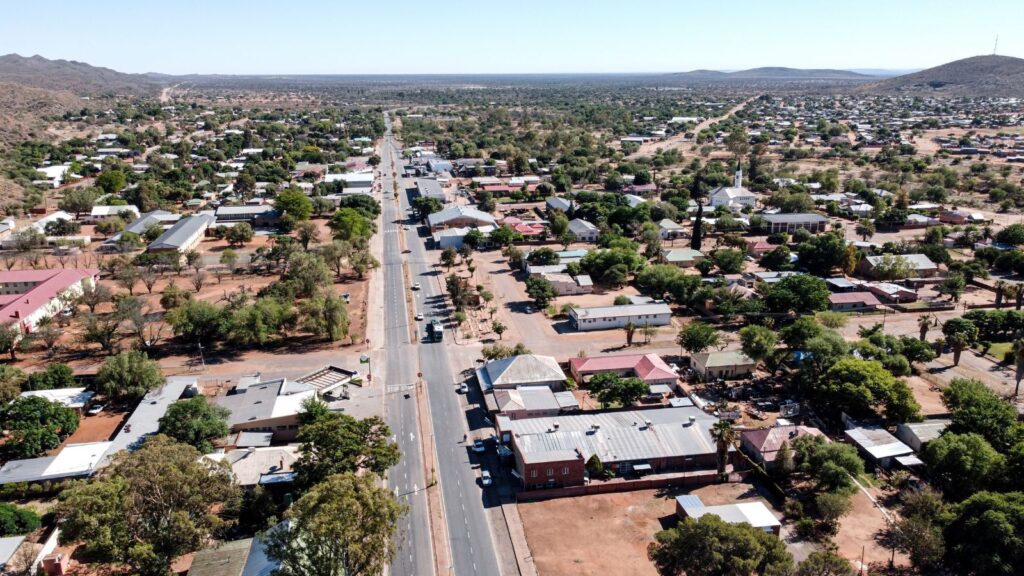
Taxpayers living in the semi-desert Gamagara Local Municipality earn more on average than residents in some of the country’s biggest and wealthiest cities.
This is according to the latest tax statistics released by the South African Revenue Service (SARS) earlier this year.
The report showed that residents of the Gamagara Local Municipality have the highest average taxable income in South Africa.
The data shows that the municipality has 10,979 registered taxpayers with an average taxable income of R508,901 a year—working out to R42,408 per month.
This places the small municipality ahead of major economic hubs such as Johannesburg, Cape Town and Stellenbosch in terms of average income per taxpayer, despite its rural setting and relatively small population.
The figures were published as part of SARS’ 2025 Tax Statistics, which are compiled using data from taxpayer registers and submitted tax returns.
The statistics are designed to provide deeper insight into South Africa’s tax base, the sources of government revenue, and broader economic trends across the country.
SARS also uses this data to inform policymakers, including the National Treasury, when making decisions related to taxation and economic policy.
The tax authority’s latest figures once again highlight how concentrated South Africa’s tax base is, with a relatively small group of taxpayers contributing a significant share of the country’s personal and corporate income tax revenue.
The tax stats also provided a breakdown of average taxable income by province and municipality, giving a clearer picture of which areas have the highest-earning taxpayers.
Provincially, Gauteng remained the wealthiest in terms of average taxable income, with taxpayers earning an average of about R414,000 a year.
This is followed by the Western Cape, where the average taxable income is approximately R348,000.
After these two economic powerhouses come several smaller provinces in terms of population, including North West, Limpopo and Mpumalanga.
These provinces often benefit from lucrative mining operations combined with smaller populations, which can push up the average taxable income figures.
The municipality where the richest taxpayers, on average, live
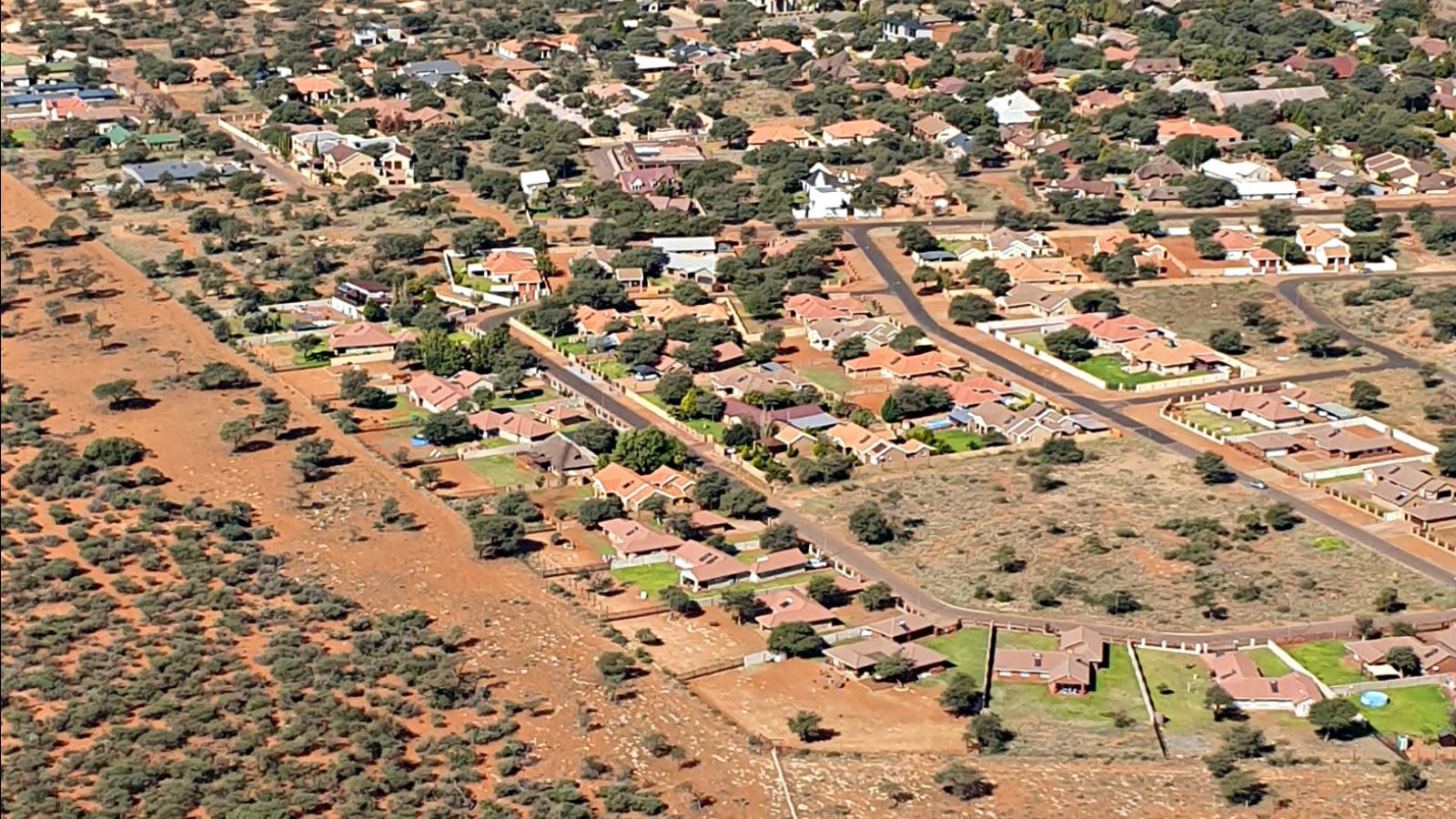
Within the Northern Cape, however, the standout municipality is the small Gamagara Local Municipality.
It is located in a semi-desert area of 2619 square kilometres in the North Eastern sector of the Northern Cape, on the N14 National Road between Upington and Vryburg.
It is approximately 200km North East of Upington and 280km North West of Kimberley. The municipal area of Gamagara consists of five towns.
These towns include Kathu, Shesheng, Dibeng, Dingleton, and Olifantshoek, a large farming area and a considerable mining area.
Kathu is the administrative centre and largest town, known as the “town under the trees” due to its location within a 4,000-hectare Camel Thorn forest.
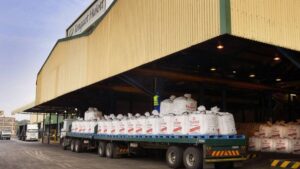
It is the iron ore capital of the Northern Cape, directly linked to the massive Kumba Iron Ore’s flagship Sishen mine.
This single largest factor that has guided the development of the Gamagara area. Not only does the mine provide jobs to thousands of people, but it also helped establish the town of Kathu.
The Sishen mine attracts highly skilled workers, technicians, and managers to the town and surrounding areas.
This is why the municipality, particularly the town of Kathu, boasts the highest average taxable income in South Africa, driven by its intense concentration of high-paying mining jobs.
The second-largest town, described as a “Jewel at the foot of the Langeberg,” which acts as a quieter residential area and a gateway to nature and wildlife, located northwest of Kathu.
Along with interesting local outliers such as Gamagara, SARS’ tax stats also provided a snapshot of the country’s overall tax performance.
In the 2024/25 fiscal year, growth in net personal income tax collections was largely driven by above-inflation wage increases across several sectors.
This included financial intermediation, insurance, real estate, and business services, as well as community and social services.
Additional revenue also came from withdrawals under South Africa’s two-pot retirement system, which exceeded expectations.
SARS reported that its compliance programme secured R304 billion in additional revenue during the year, compared with R260.5 billion in the previous financial year—a 16.7% increase. Of this, R156.1 billion was attributed to cash-collection initiatives.










 Loading ...