

Bad news for burger lovers in South Africa


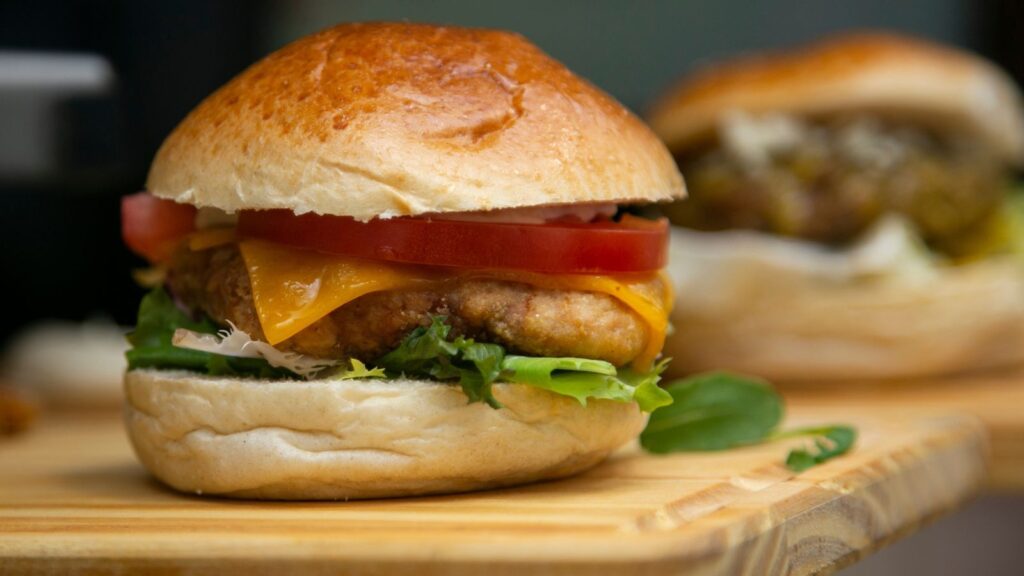
New data shares bad news for burger lovers in South Africa, with the cost of a burger rising much faster than overall inflation.
A Big Mac has risen from R7 in 1995 to R70.90 today, with burger prices surging 30% in the past year alone due to soaring beef costs.
When McDonald’s opened its first restaurant in South Africa in November 1995 in Blackheath, Johannesburg, a Big Mac cost just R7.00. Today, South Africans can expect to pay R70.90 for the same burger.
Speaking to Kaya Biz, Eighty20 director Andrew Fulton said it shows just how sharply food prices have increased over the past three decades. However, the most notable increase has occurred over the past year alone.
Research and data consultancy firm Eighty20 found that meat products—particularly beef—have consistently ranked among the country’s highest inflation items over the past year.
Eighty20 used data from the National All Media and Products Survey (MAPS), which surveys around 20,000 South Africans every quarter.
“Every month for the past year, at least half of the top 10 highest inflation items have been meat products, primarily beef, with chicken really far behind,” Fulton said.
To illustrate the impact, Eighty20 looked at the cost of a typical burger and found that prices have surged.
“People look at the Big Mac index. It’s obviously a very prominent meal that people have. A Big Mac cost you R55 this time last year and costs you almost R71 today,” he said.
“That’s a 30% increase in just a year when you’ve got inflation running at sort of 4%. So you can see that burger inflation is a big thing.”
According to Fulton, nearly every component of a burger has become more expensive. “The bun is up 5.5% year on year, lettuce is up 10% year on year, tomatoes are up 11% year on year, and cheddar cheese, if you want a cheeseburger, is up 10%.”
The cost of beef is changing how South Africans spend

However, he added that the really big one is the patty, which is up 23.8% year on year, primarily because we’ve had the worst outbreak of foot-and-mouth disease we’ve had in decades.
“Cattle and dairy herds across nine provinces are affected, and there’s been a 25% drop in meat exports in South Africa. It really has quite decimated that industry.”
The rising cost of beef is also changing how South Africans spend their money on fast food. Fulton said Eighty20’s data shows that fewer people are eating at quick-service restaurants as frequently as they did a year ago.
Consumers in South Africa are also shifting towards more affordable proteins and meal options.
“What we saw is chicken-focused brands like Hungry Lion, Pedro’s and Nando’s, alongside the pizza chains, have gained ground,” Fulton said.
“But for the burger places, McDonald’s, Wimpy and Steers have lost ground over the past year.”
Fulton warned that relief is unlikely anytime soon. He noted that recent fuel price increases and broader inflationary pressures are expected to push food costs even higher.
“We’re paying 30% more to eat a burger out than we did last year. I can’t imagine it’s going to go down next year.” Even making burgers at home has become significantly more expensive.
“The price of making that burger at home has gone up 10.4%. Even the petrol to go get the patty is up. South Africans are just getting kicked from all sides right now,” Fulton said.
As consumers come under greater pressure, Fulton expects restaurants to focus more heavily on affordability and convenience.
“We’re going to see people trading down to smaller meals, more value meals, and eating more at home,” he said.
“Famous Brands is looking at smaller-format restaurants and drive-throughs, looking more for value and convenience.”












 Loading ...