

South Africa’s R14.7 billion disaster bill


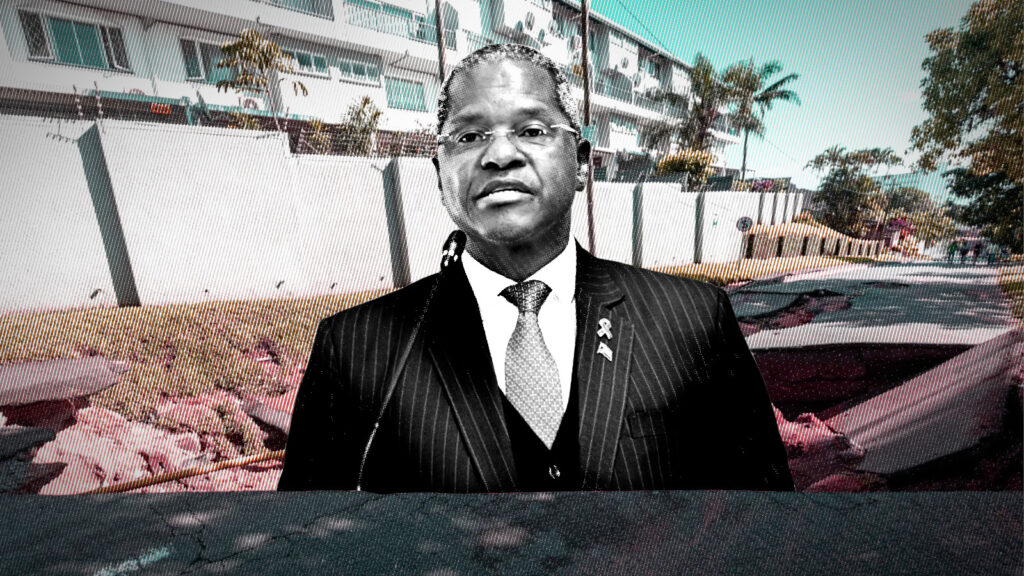
South Africa’s national government has spent close to R15 billion on disaster response over the last decade, with the landscape changing due to global warming.
In response to questions from Rise Mzansi’s Makashule Gana, the Minister of Cooperative Governance and Traditional Affairs (CoGTA), Velenkosini Hlabisa, highlighted a rise in disaster declarations.
The minister said that South Africa has seen a rise in natural hazards at the local, provincial, and national levels.
This included droughts between 2015 and 2018, floods and severe weather events, fires, and other events that required coordinated responses across government spheres.
The minister said that there has been a notable shift recently towards large-scale, multi-provincial
disasters that require coordinated national responses.
When it comes to funding, roughly R14.7 billion has been allocated over the last 10 years via national disaster response and recovery grant mechanisms.
The department observed several key trends in disaster occurrences over the last decade, including a transition from mainly drought-related disasters to increasingly frequent floods and severe weather events.
There has also been an increase in the frequency and intensity of disasters, consistent with climate-related risks, and a shift from localised incidents to multi-provincial events that require national coordination.
The minister said that these trends have informed improvements in disaster preparedness, such as strengthened intergovernmental coordination mechanisms and ongoing revenue management systems.
The department has also worked to improve preparedness by refining disaster management plans at the district and metropolitan levels, developing contingency plans, and strengthening early warning systems.

Gana said that the response from the Minister highlights the escalating economic and human cost of natural disasters hitting South Africa.
While the national government has allocated around R14.7 billion over the last decade through disaster response grants, this excludes provincial and municipal governments.
Gana said that extensive funds have been spent by provincial and municipal governments from their own depleted budgets.
“This massive expenditure underscores an undeniable reality: climate change is an active economic and social emergency,” said Gana.
“Over the last decade, South Africa has shifted from localised droughts to high-frequency, multi-provincial flooding and cyclones that destroy infrastructure, threaten food security, and claim innocent lives.”
He added that CoGTA does not maintain a consolidated dataset of disaster-related allocations made by provincial and municipal governments.
Without centralised oversight of the spending, Gana said that South Africa cannot effectively coordinate relief, plan ahead, or measure the true fiscal impact of climate change.
“Emergency procurement environments notoriously attract unscrupulous suppliers who inflate prices to profit off public tragedies,” he said.
Rise Mzansi has thus called on the minister to centralise disaster data via a partnership with the National Treasury.
This would log every cent spent on disaster response across the three spheres of government and ensure better strategic coordination, Rise claimed.
It is also called for the establishment of a pre-vetted supplier database, coordinating with provinces and municipalities to build a transparent database of approved vendors.
Rise believes this would ensure a rapid response while preventing price gouging. It also called for plans to accelerate adaptation and oversight.
This would prioritise resilient infrastructure and early-warning systems and provide regular briefings to Parliament.















 Loading ...