

A look at the newest feature of the Reserve Bank’s R3.6 billion redevelopment


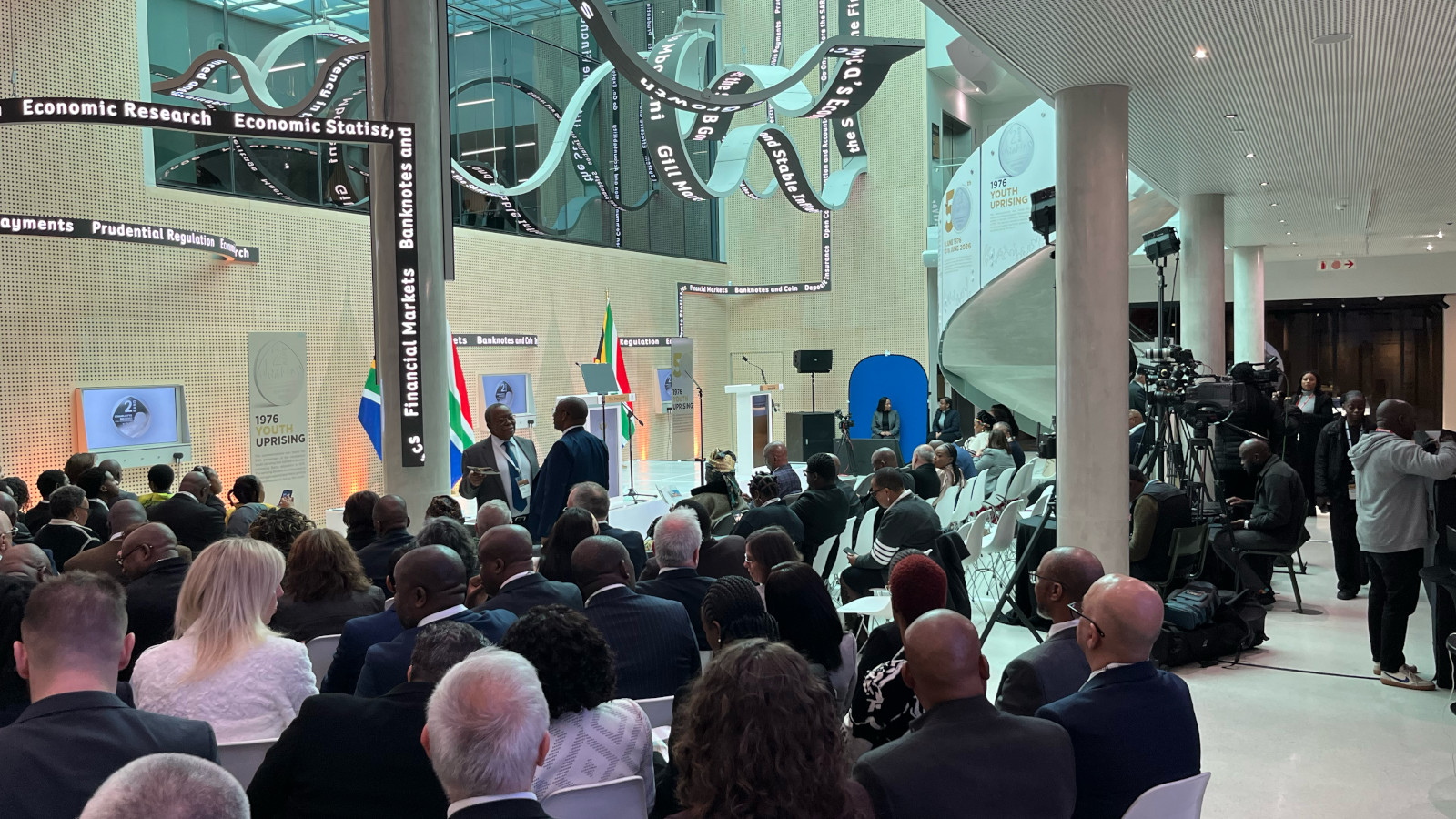
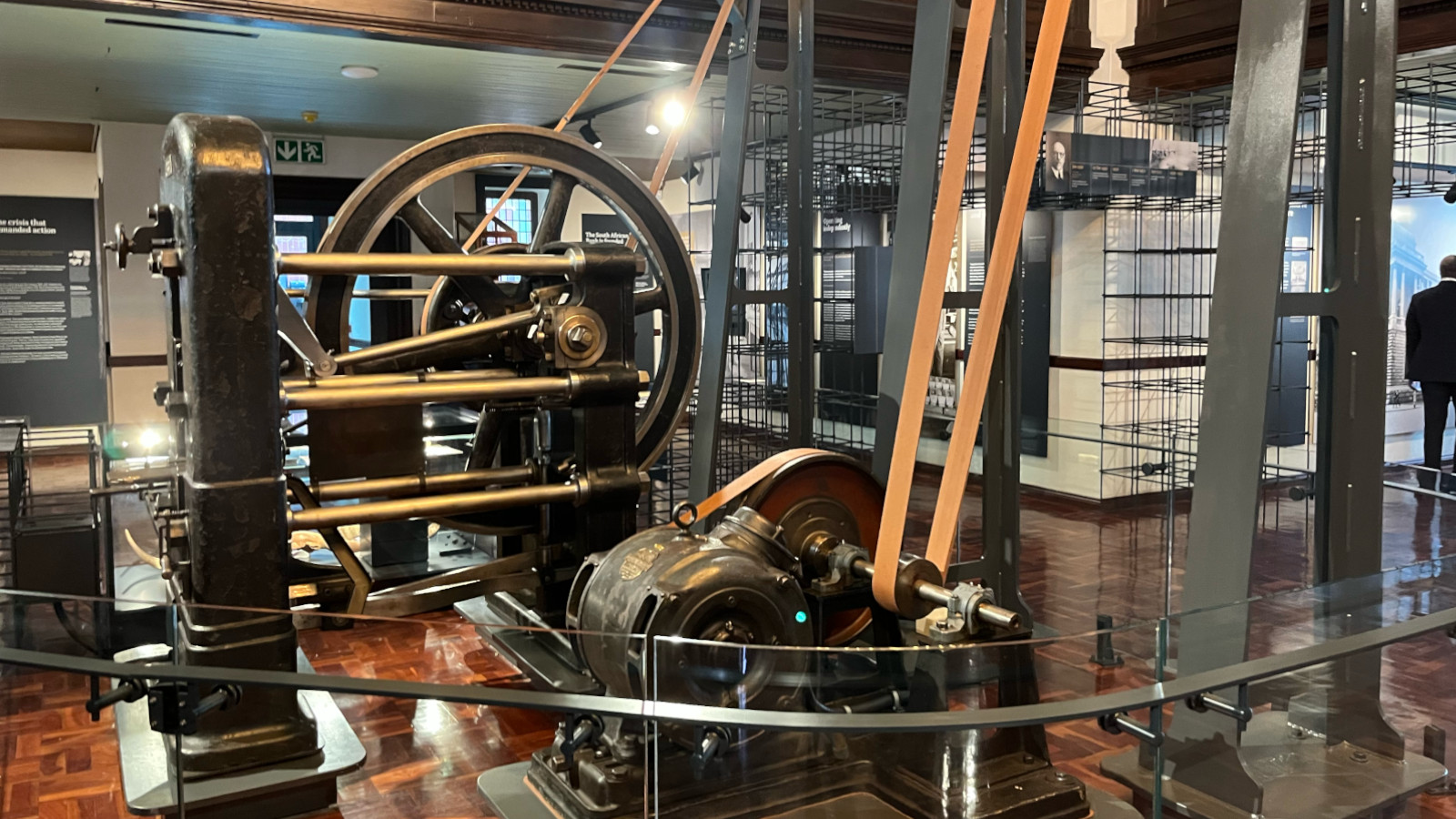
The South African Reserve Bank (SARB) has opened a new museum at its Pretoria Head Office, as it seeks to “demystify” its operations.
At the launch, Reserve Bank Governor Lesetja Kganyago said the central bank is often misunderstood by the public, with many unsure what it does.
The Governor joked that members of the public believe that there are gold bars in the SARB building and that the bank is sitting on “quintillions of rands”.
Given the misunderstanding around the bank, the new museum intends to highlight its history and its work.
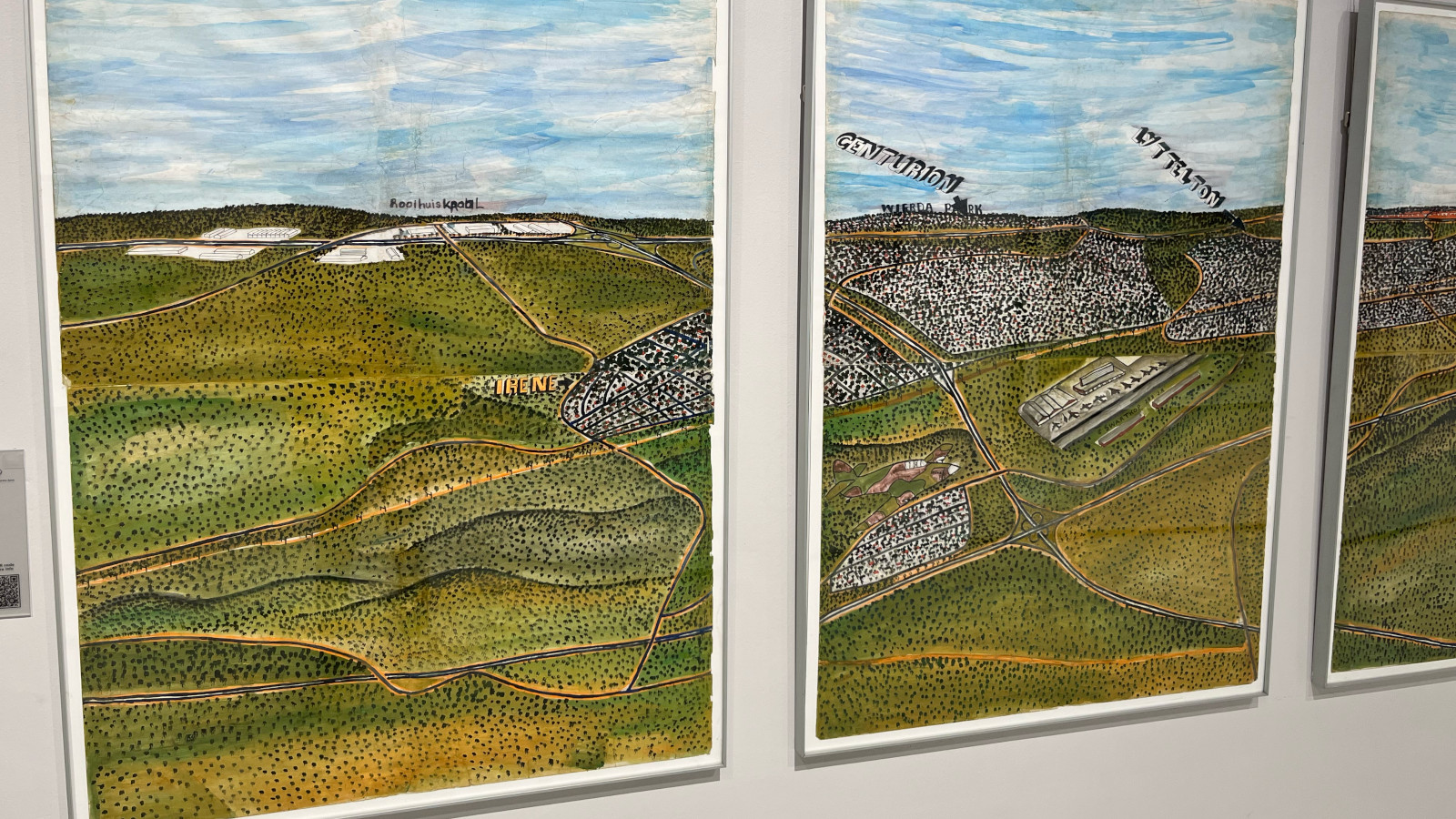
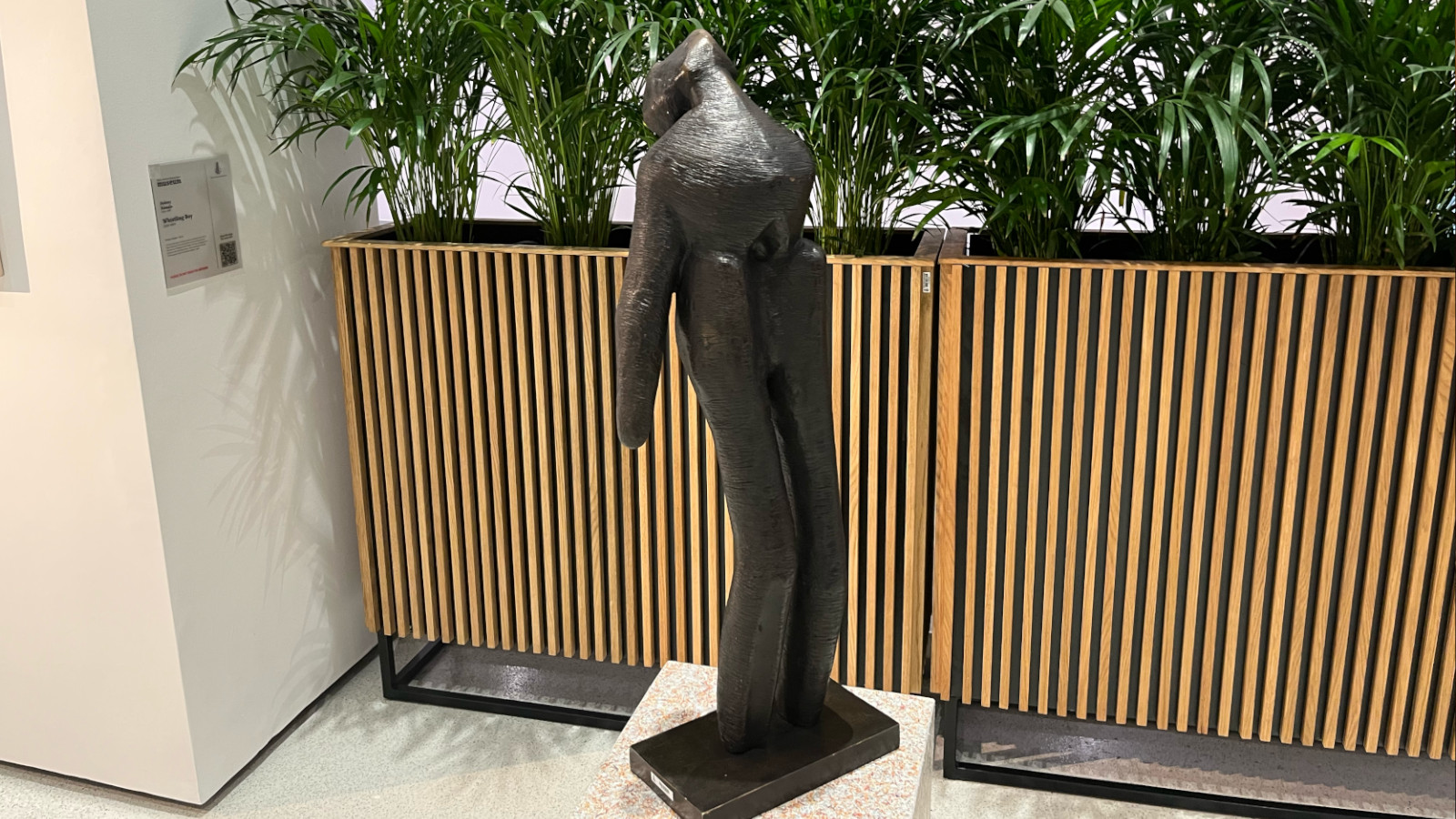
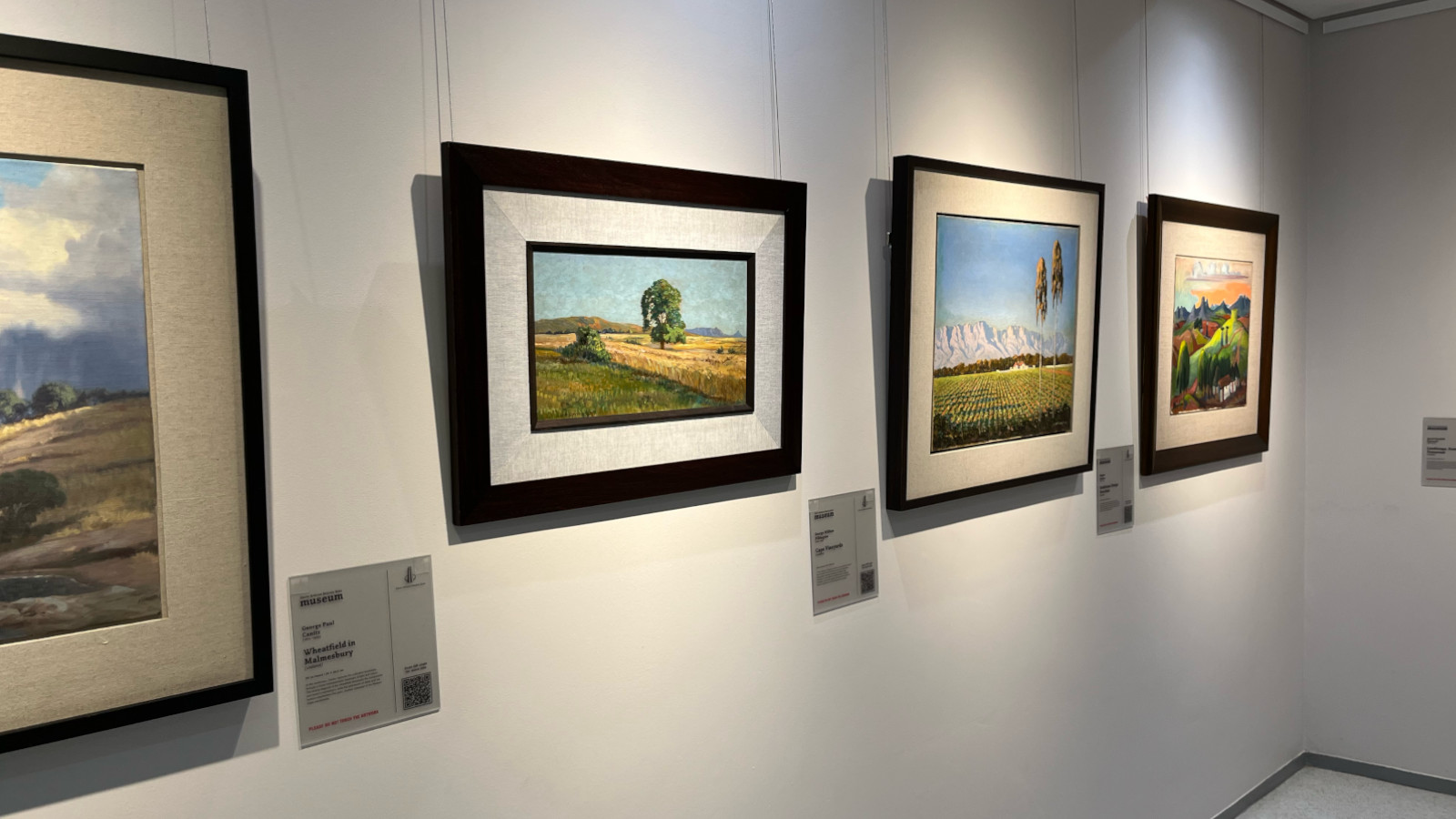
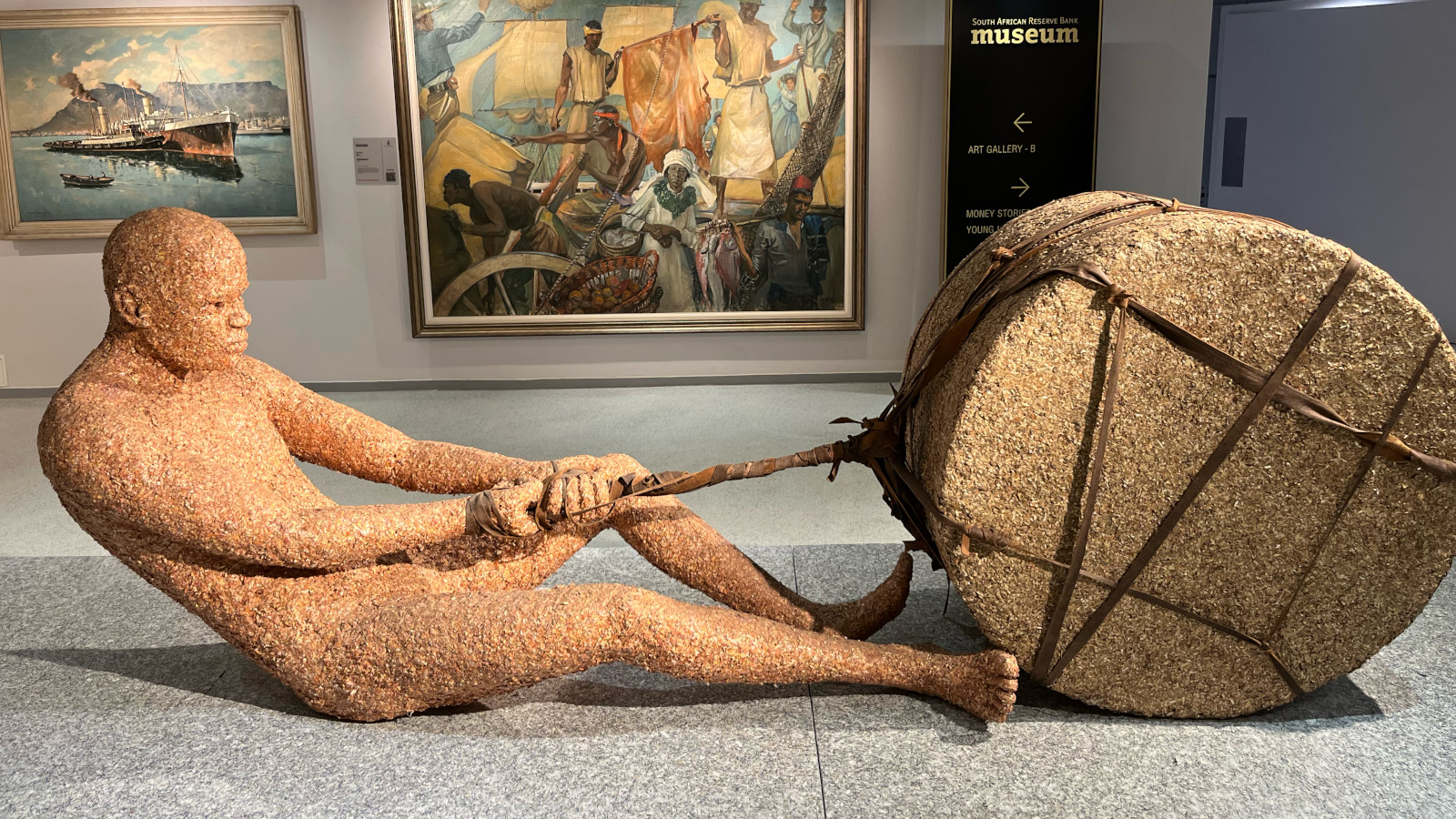
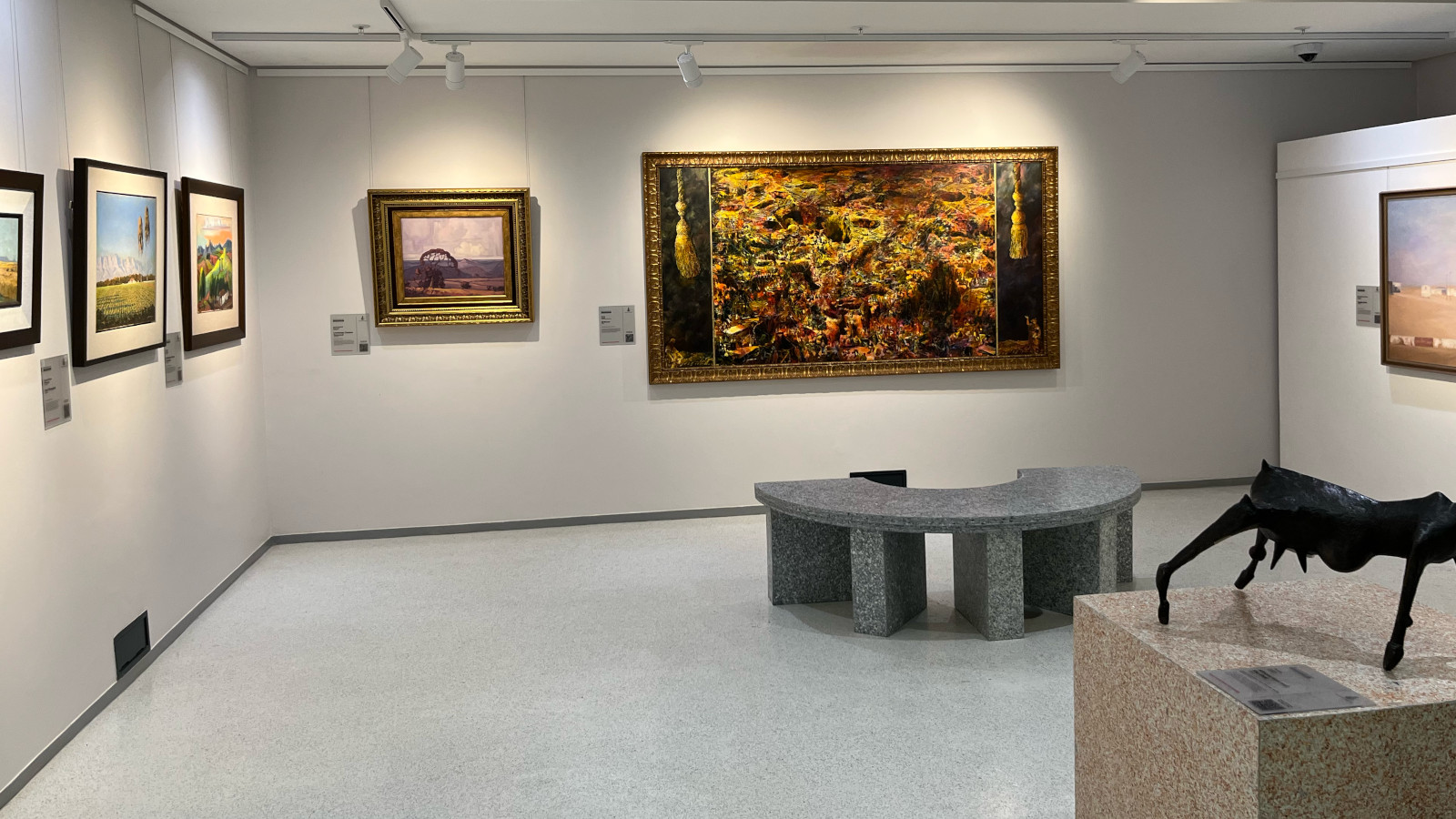
However, it is not limited to monetary policy history; it also includes paintings, sculptures, films, and games.
The museum also hopes to help students gain a desire to study and understand Monetary Policy.
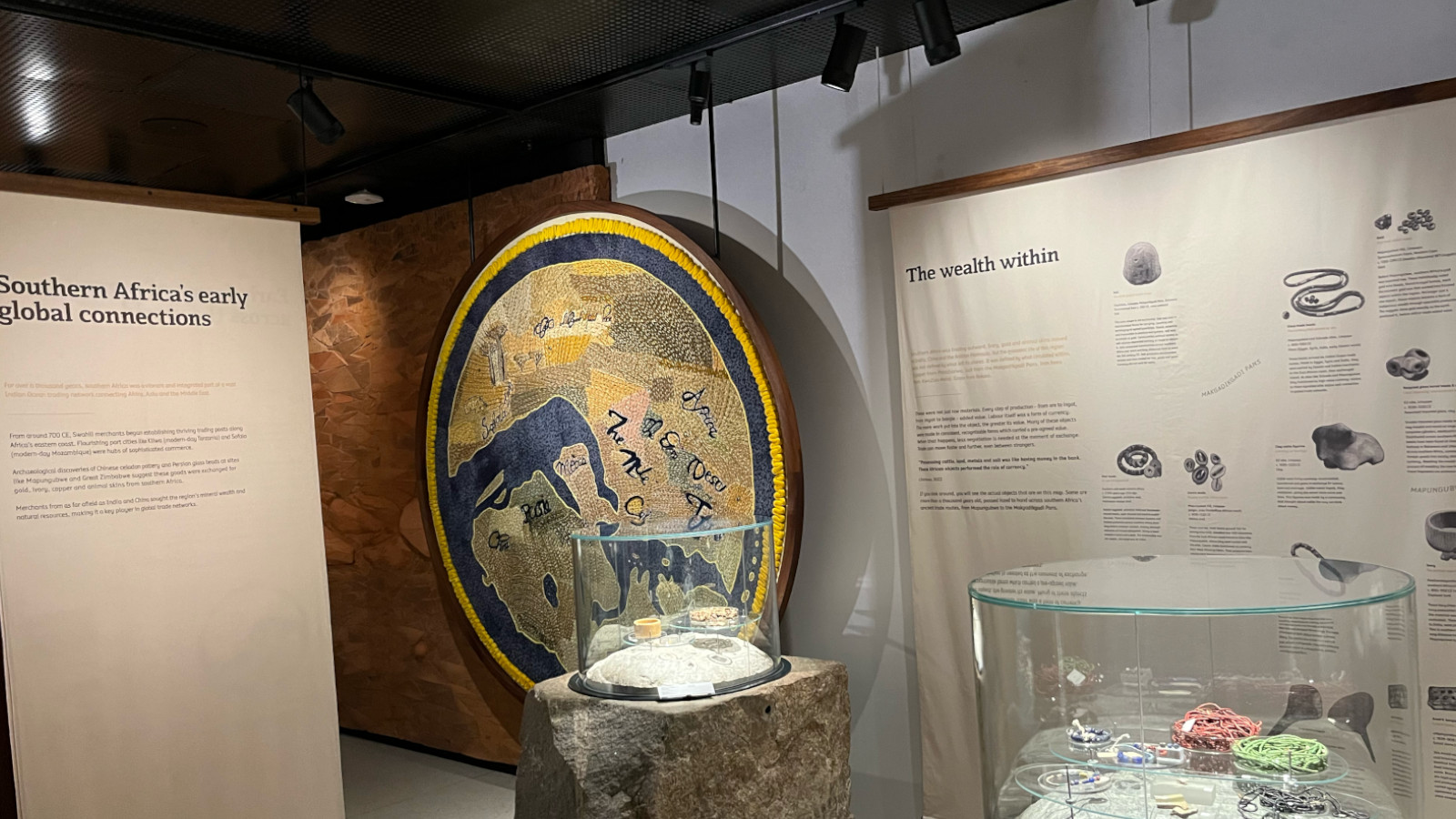
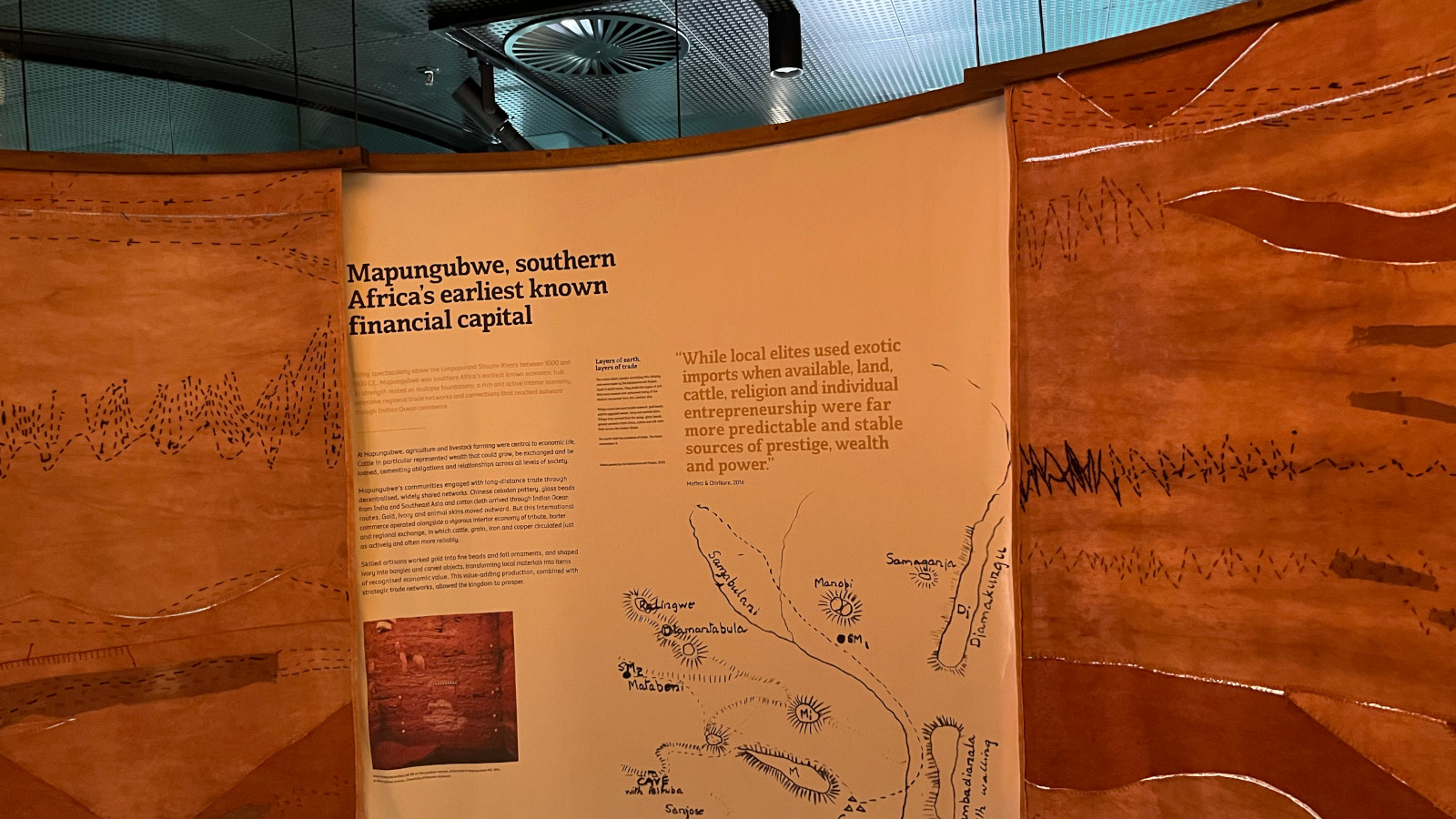
It showcases money stories, the early beginnings of currency, with an exhibition focused on the history of Mapungubwe, which was famed for its gold.
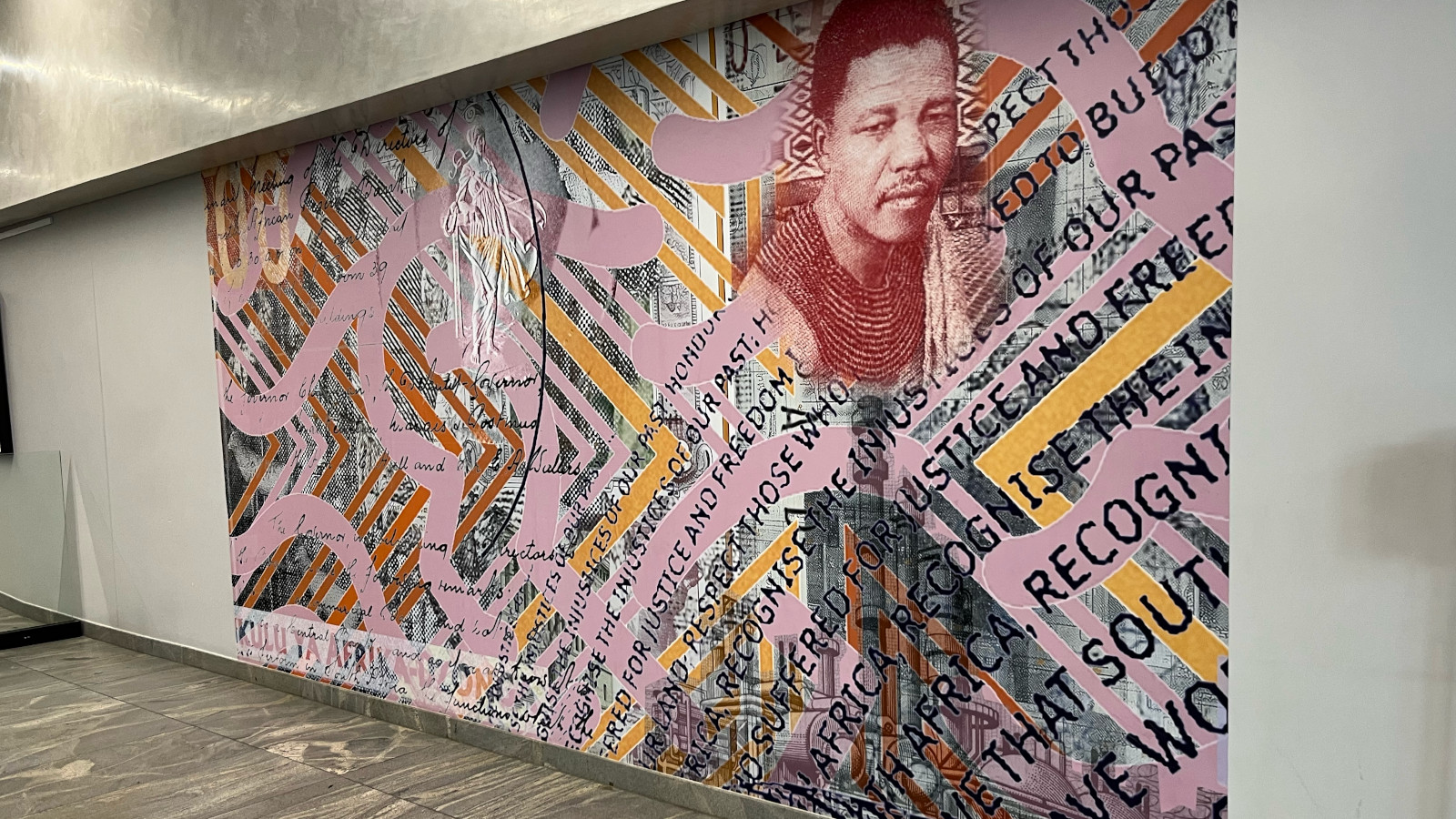
The museum also traces the history of the SARB during the colonial, apartheid and democratic eras.
The SARB also showcases the Historic Nederduitse Kerk next to its building, which was declared a national monument in 1980.
It has dedications to former governors Chris Stals, Tito Mboweni, and Gill Marcus, and also features an exhibition on the advancement of women at the bank.
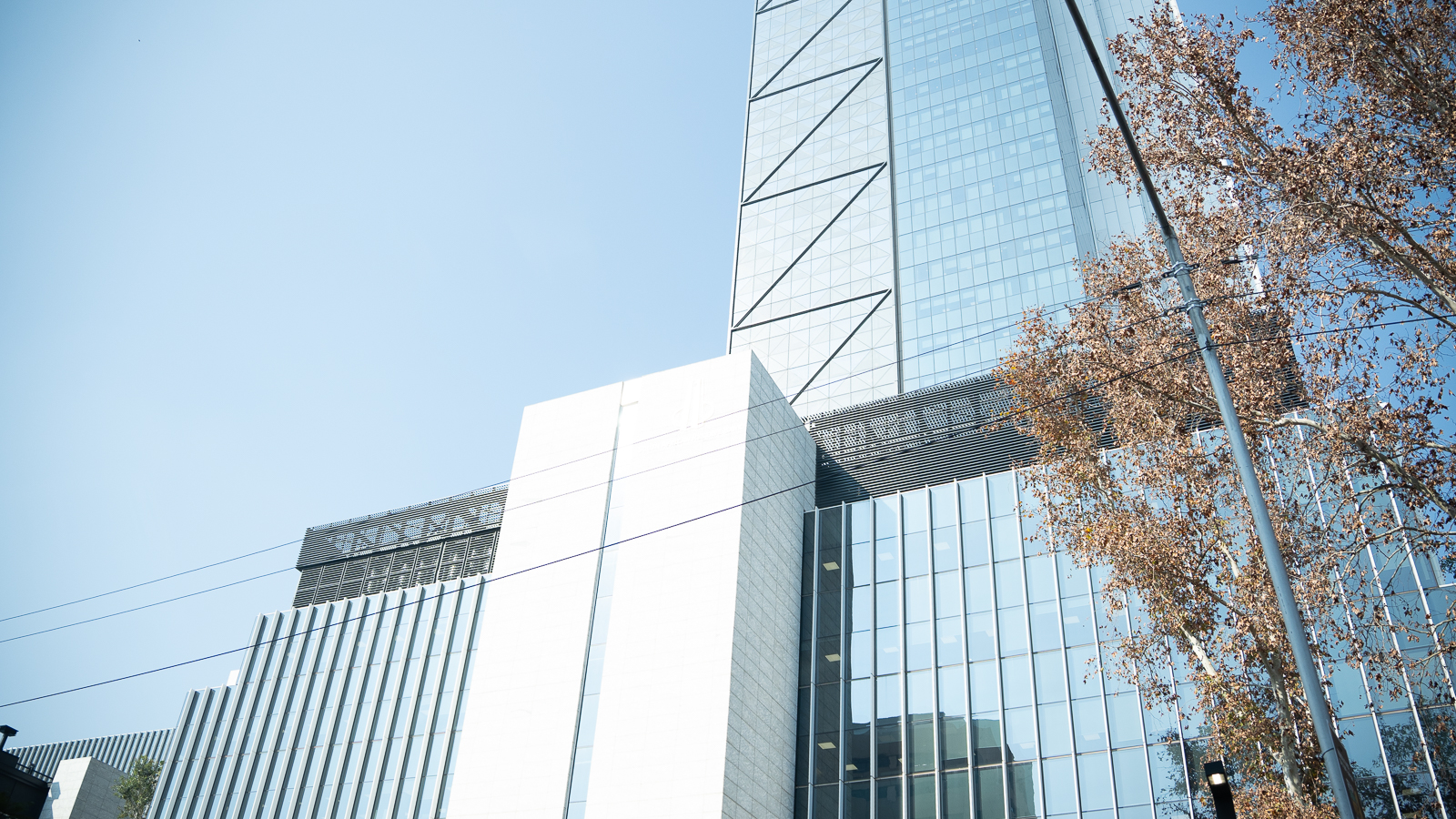
The museum was created as part of the SARB’s multi-billion-rand redevelopment of its head office. The iconic head office in Pretoria’s CBD had not been upgraded in over 40 years.
Construction consultancy firm MMQS said the redevelopment of the Reserve Bank’s office had a project value of R3.6 billion.
The SARB’s campus was unable to meet its digital requirements and was too small following the creation of the Prudential Authority.
The museum was opened alongside President Cyril Ramaphosa and Finance Minister Enoch Godongwana.
With a focus on engaging visitors with the Reserve Bank’s history, a game at the exhibition has players make monetary policy decisions.
After showing Ramaphosa the game, Kganyago quipped that this would be the only time monetary, government, and fiscal officials would work together to set monetary policy.
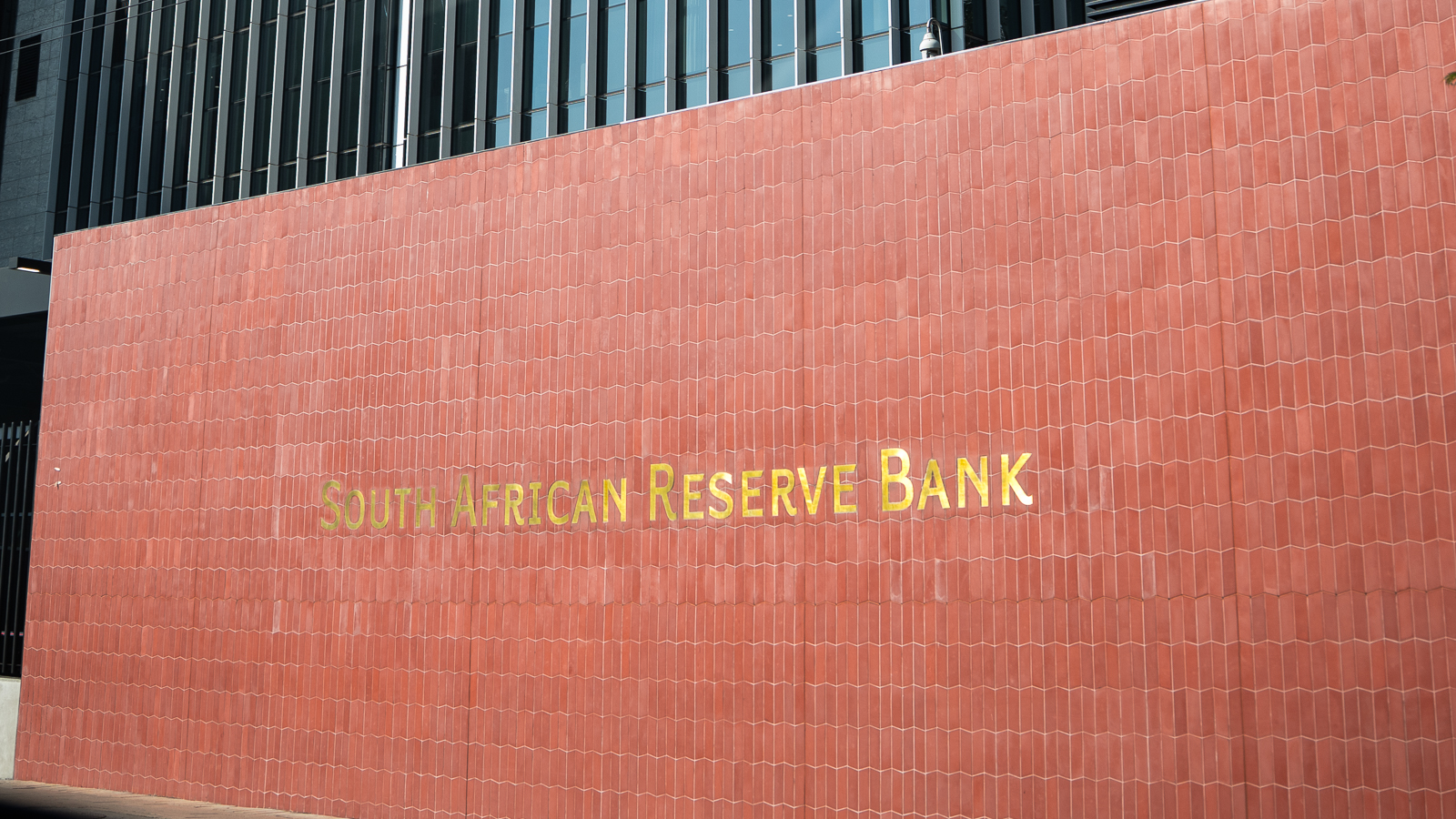
Photos of the new Reserve Bank Museum










 Loading ...