

R26 billion down the drain in South Africa


South Africa is losing an estimated R26 billion a year in revenue due to water losses, which highlights the scale of the country’s worsening water infrastructure crisis.
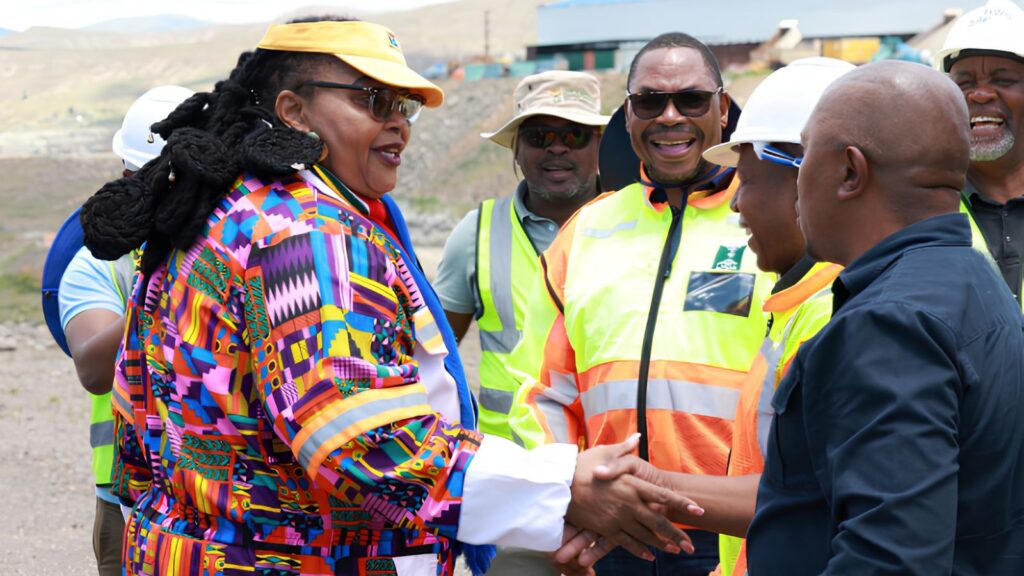
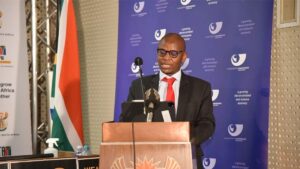
The figure was revealed by Water and Sanitation Minister Pemmy Majodina during a parliamentary Q&A session, where she outlined the extent of water losses across the country and the government’s efforts to address them.
The losses come at a time when South Africa’s municipal water and sanitation systems are under severe strain due to decades of underinvestment, inadequate maintenance, and operational failures at the local government level.
According to data from Stats SA’s General Household Survey, 56.8% of households experienced water interruptions, while more than a third reported disruptions lasting several days.
The Department of Water and Sanitation (DWS) monitors municipalities’ performance through three regulatory programmes.
These include the Blue Drop assessment for drinking water quality, the Green Drop assessment for wastewater treatment, and the No Drop programme, which measures water losses.
The latest No Drop findings show that South Africa is losing nearly half of all treated water before it reaches consumers or generates income.
“Non-Revenue Water (NRW) is the volume of water supplied by the Water Services Authority for which it receives no income or revenue,” Majodina said.
She explained that NRW includes water supplied to consumers but not billed for, losses from leaking municipal pipes, illegal connections, and revenue lost because of weak billing and collection systems.
Majodina said the current national average for non-revenue water stood at 47.3%, equivalent to more than 2.1 billion kilolitres of water annually.
“The average cost of supplying water per kl in South Africa is R12.41/kl and the Rand value of NRW is approximately R26 billion,” she said.
The losses are significantly worse than the global average of around 30%, underscoring the country’s infrastructure challenges.
Infrastructure is under immense strain
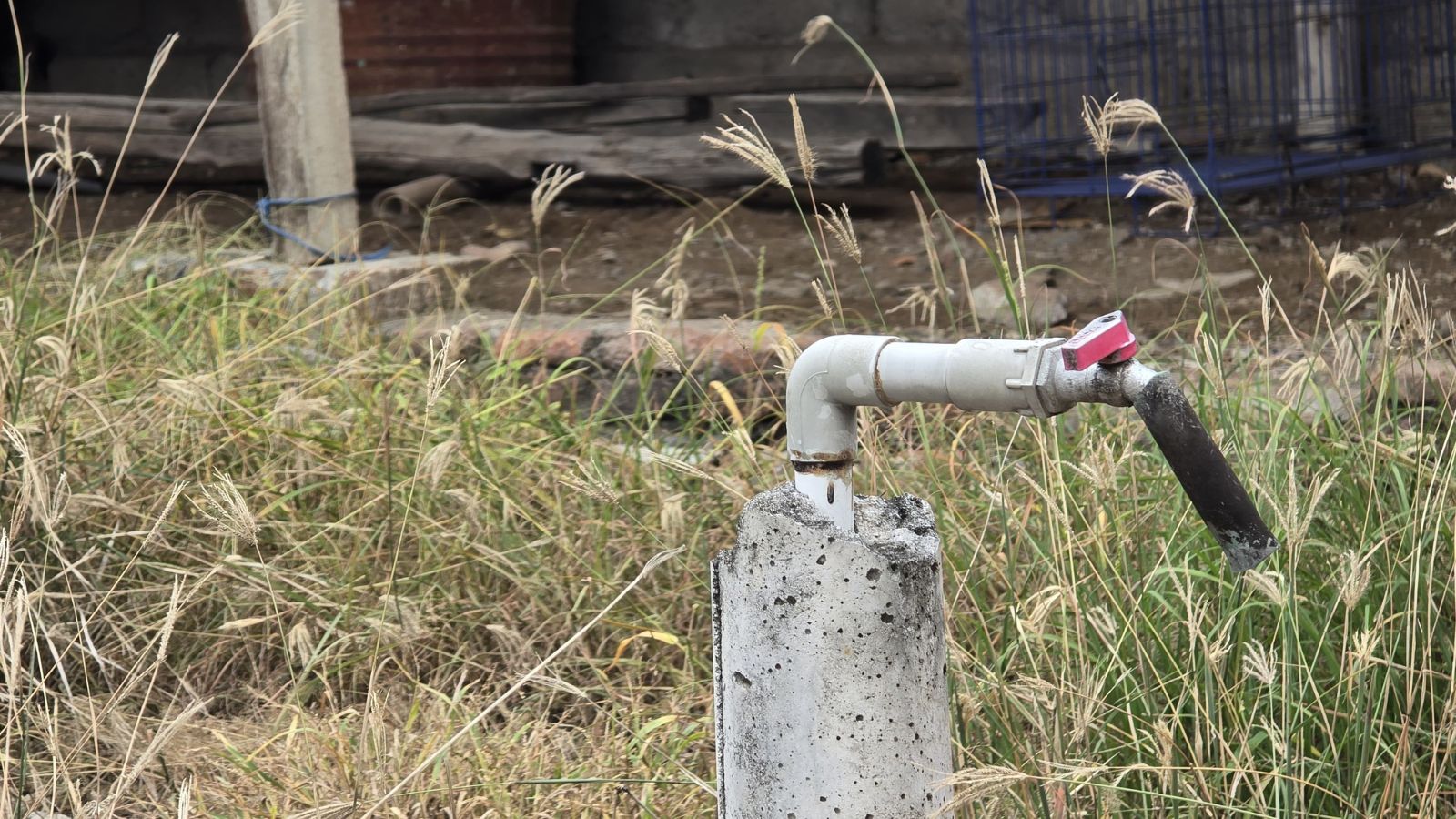
A major contributor is the condition of municipal water networks, where ageing pipes frequently burst and leak, allowing large volumes of treated water to escape above and below ground.
Because municipalities often fail to accurately measure or bill for these losses, they lose revenue that could otherwise be used for repairs and maintenance.
According to the 2025 Green Drop Report, 396 of the 848 wastewater treatment systems audited were classified as being in a critical state. This means nearly half of all assessed facilities are struggling to meet required standards.
The proportion of systems rated as excellent or good has also fallen from 14% to just 8% over the past three years.
Drinking water quality remains relatively strong in major metropolitan areas, but many regional systems continue to face significant challenges.
The Parliamentary Portfolio Committee on Water and Sanitation has warned that although the proportion of critical-risk drinking water systems has declined slightly, overall risk levels remain unsustainably high.
Previous Blue Drop assessments also found widespread microbiological compliance failures in regional supply systems, raising concerns about contamination risks.
Majodina said the department is implementing several interventions to reduce water losses and improve municipal performance.
These include the rollout of a national NRW training programme, reforms led by the National Treasury, and the expansion of partnerships with the private sector.
She said the Water Partnerships Office has developed a non-revenue water project pipeline worth around R4.5 billion, targeting water savings of more than 70 million kilolitres and potential municipal savings and additional revenue of roughly R736 million annually.
“The No Drop Progress Report was launched by the Minister on 31 March 2026. Currently, the Department is in the process of conducting the full No Drop assessments, and the report is planned to be published in March 2027,” she said.











 Loading ...