

The small town in South Africa with no petrol stations or ATMs, and where tarred roads are banned


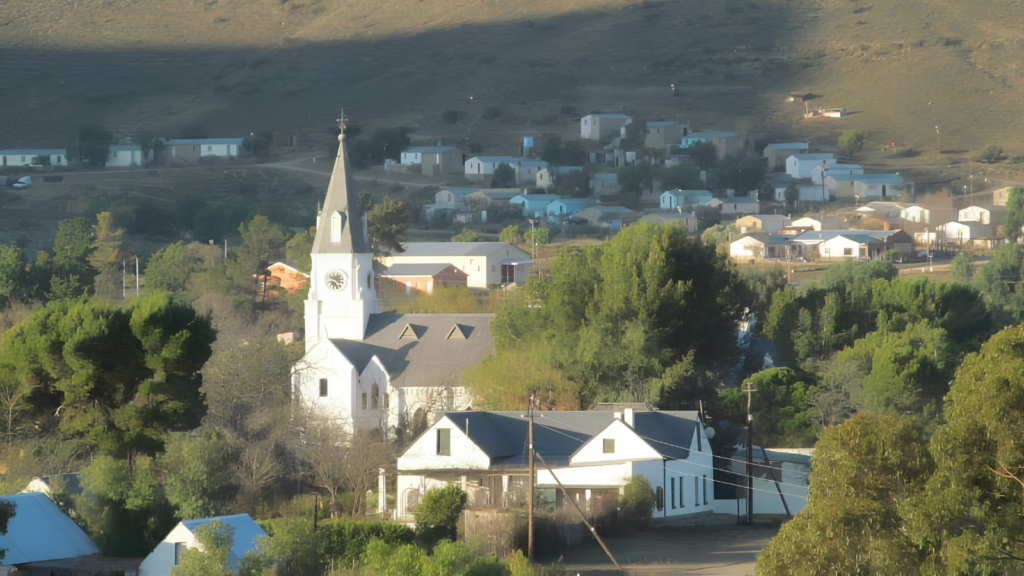
Nieu Bethesda, the 151-year-old small town in the Eastern Cape, is home to around 1,000 residents.
Nieu Bethesda was established on a portion of the farm Uitkyk, which was inherited by Barend Johannes Pienaar’s two sons.
Pienaar is recognised as the Father of Nieu Bethesda. The land was purchased on behalf of the church council for £4,000, which is equivalent to nearly R87,000 today, and the deed of purchase is dated 8 February 1875.
The residents of the area, who were members of the Graaff-Reinet congregation of the Dutch Reformed Church, sought to form their own church and school since it took them up to eight hours to travel to Graaff-Reinet.
After the land was purchased, the town was governed by a town committee until the church was officially founded in 1878, at which point the church council took over this responsibility.
The name Nieu Bethesda is believed to have originated from a misunderstanding, though there are no primary sources to confirm this.
Reverend Charles Murray from Graaff-Reinet, who led the founding meeting on 20 November 1878, suggested that the place be called Bethesda.
However, the Dutch word “nu” (now) was mistakenly interpreted and recorded as Nieuw Bethesda, which was later shortened to Nieu Bethesda.
Most of the commonage belonged to the Dutch Reformed congregation until 1950, when it was sold to the municipality for £3,000.
This sale included the commonage, the poplar forest, and the cemetery. The church retained ownership of ten erven and the church buildings.
The congregation bought back the cemetery in 2010, and it is currently managed by the church.
The village is now part of the Dr Beyers Naudé Local Municipality, formerly known as the Camdeboo Municipality (Graaff-Reinet), which also owns the popular Owl House and Camel Yard.
Although Nieu Bethesda is a popular tourist destination, the village does not have credit card facilities, ATMs, or petrol stations, and keeps its roads unpaved.
Nieu-Bethesda has preserved its unpaved, dirt roads to maintain its rare historical Karoo charm.
Residents and local tourism boards actively protect the village’s off-grid, tranquil atmosphere by debating modernisation efforts, such as tarring the roads and installing streetlights.
Eastern Cape name changes
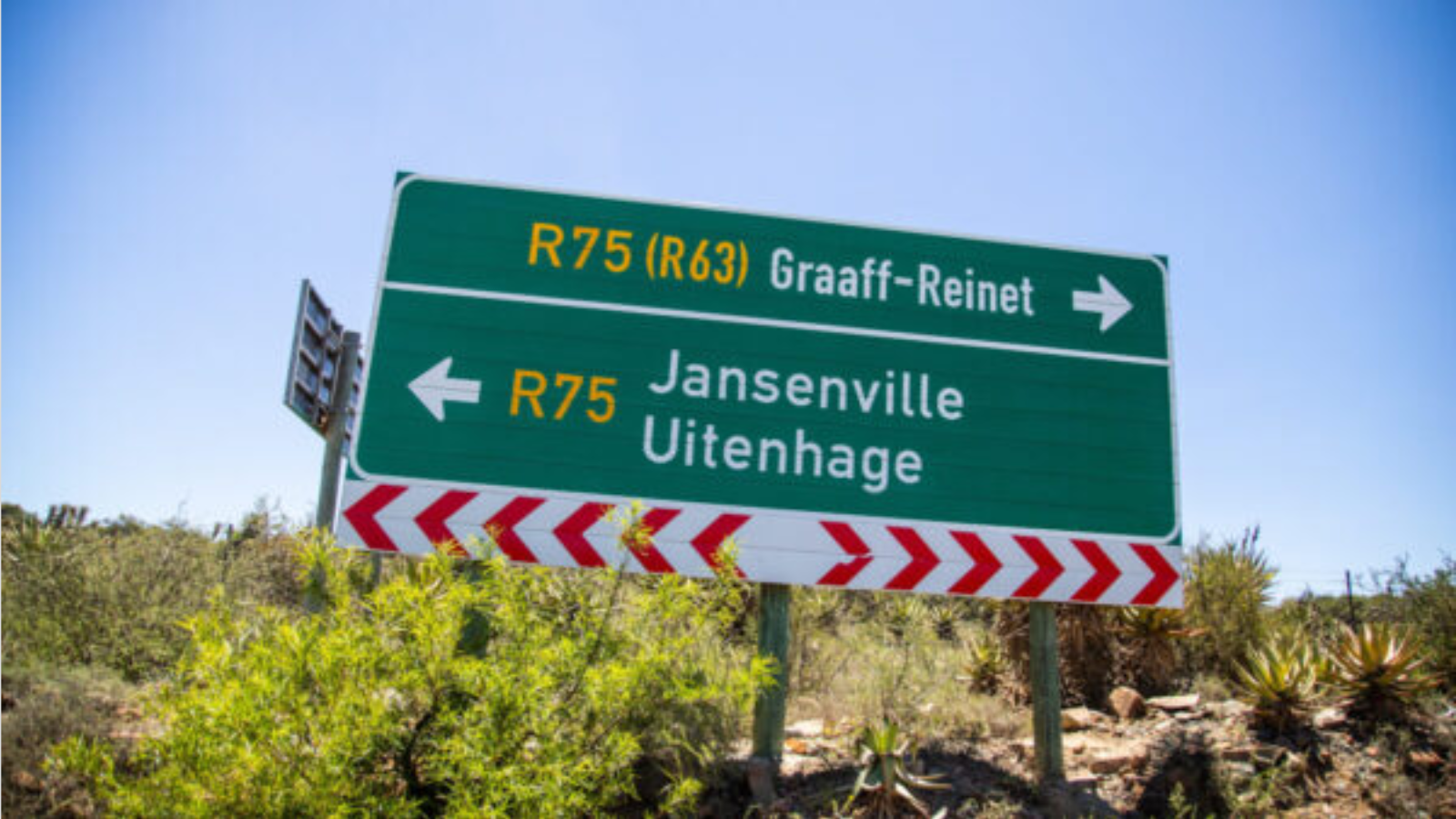
In 2024, Minister Gayton McKenzie told the people of the Eastern Cape that he would not approve the name changes for Graaff-Reinet and other towns in the province.
Now, the minister has approved the change of 21 names, including Nieu-Bethesda to Kwa Noheleni.
The Democratic Alliance political party, however, has raised concerns over the process of the name changes, stating that the communities were not involved in the decision.
“The Democratic Alliance (DA) recognises the importance of restoring historical dignity and acknowledging the contribution of liberation figures such as Sobukwe and Bishop Limba,” said the DA.
“South Africa’s past demands honest reflection, and naming can play a role in that process.”
However, the DA said that this must be accompanied by lawful process, meaningful consultation, and transparent decision-making.
“The DA is deeply concerned about how the latest round of geographical name changes has been handled,” said the DA.
According to the DA, the application for name changes had been initially rejected due to insufficient evidence that the public’s concerns had been considered.
The political party stated that although the government claims public consultations were held, feedback from residents, business organisations, and community stakeholders indicates otherwise.
The chairperson of the South African Geographical Names Council (SAGNC), Johnny Mohlala, has told communities that objections are premature until names are gazetted.
“This approach undermines democratic accountability and conflicts with the principles of procedural fairness set out in the Promotion of Administrative Justice Act,” said the DA.
The DA emphasised that the name changes have operational and economic implications.
Small businesses will need to rebrand, tourism operators must update their marketing materials, and essential systems such as emergency services, postal networks, mapping platforms, and property records all require revisions.
However, no information is available on projected implementation costs, timelines, or support measures.
The group stressed that the lack of transparency is unacceptable and that transformation should strengthen social cohesion, not create uncertainty or resentment.

















 Loading ...