

Big changes to speed limits, and Eskom’s plan will leave South Africans R10 billion poorer


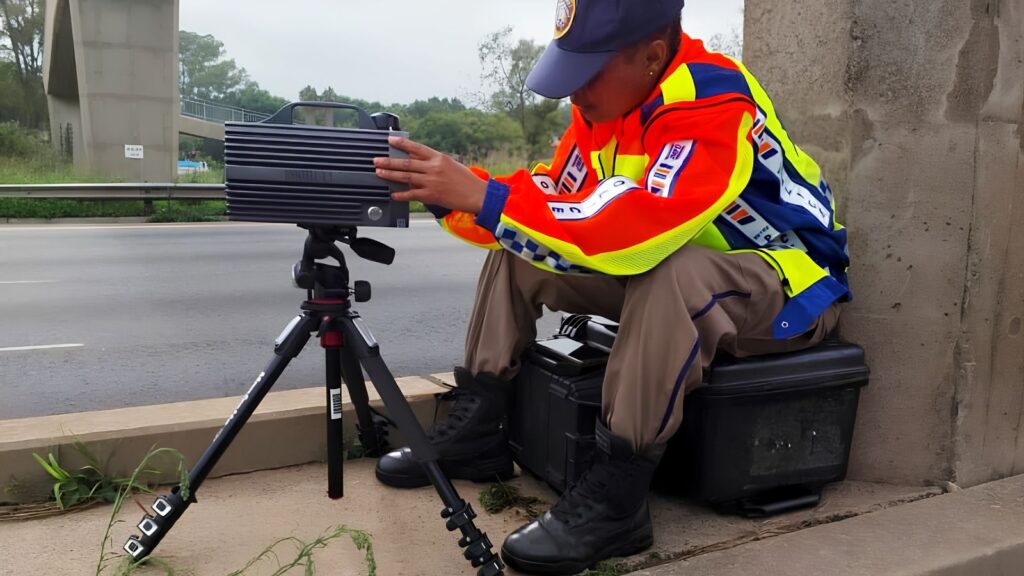
The rand weakened in afternoon trading on Thursday following an exchange of fire between Iran and the United States.
This escalation, which has lasted a week, has driven up oil prices and renewed concerns about inflation and disruptions to energy supplies. The rand was trading at 16.4150 against the dollar, down approximately 0.5% from its previous close.
On Wednesday, the US launched two significant waves of airstrikes after reimposing a naval blockade on Iranian ports.
In response, Iran fired missiles and drones at US military bases in neighbouring countries and closed shipping through the Strait of Hormuz.
Iran has also instructed Yemen’s Houthi movement to be prepared to close the Red Sea oil route if the United States targets Iranian power infrastructure.
As worries about Middle Eastern energy supplies intensified, global oil prices rose by more than 1%, while the US dollar increased nearly 0.2% against a basket of other currencies.
On the Johannesburg Stock Exchange, the Top-40 index remained steady. However, South Africa’s benchmark 2035 government bond weakened, with the yield rising by 3 basis points to 8.42%.
On Friday, 17 July 2026, the rand was trading at R16.48 to the dollar, R22.18 to the pound, and R18.84 to the euro. Gold is trading at $3,981.76 an ounce, while oil prices were at $85.04 a barrel.
5 important things happening today
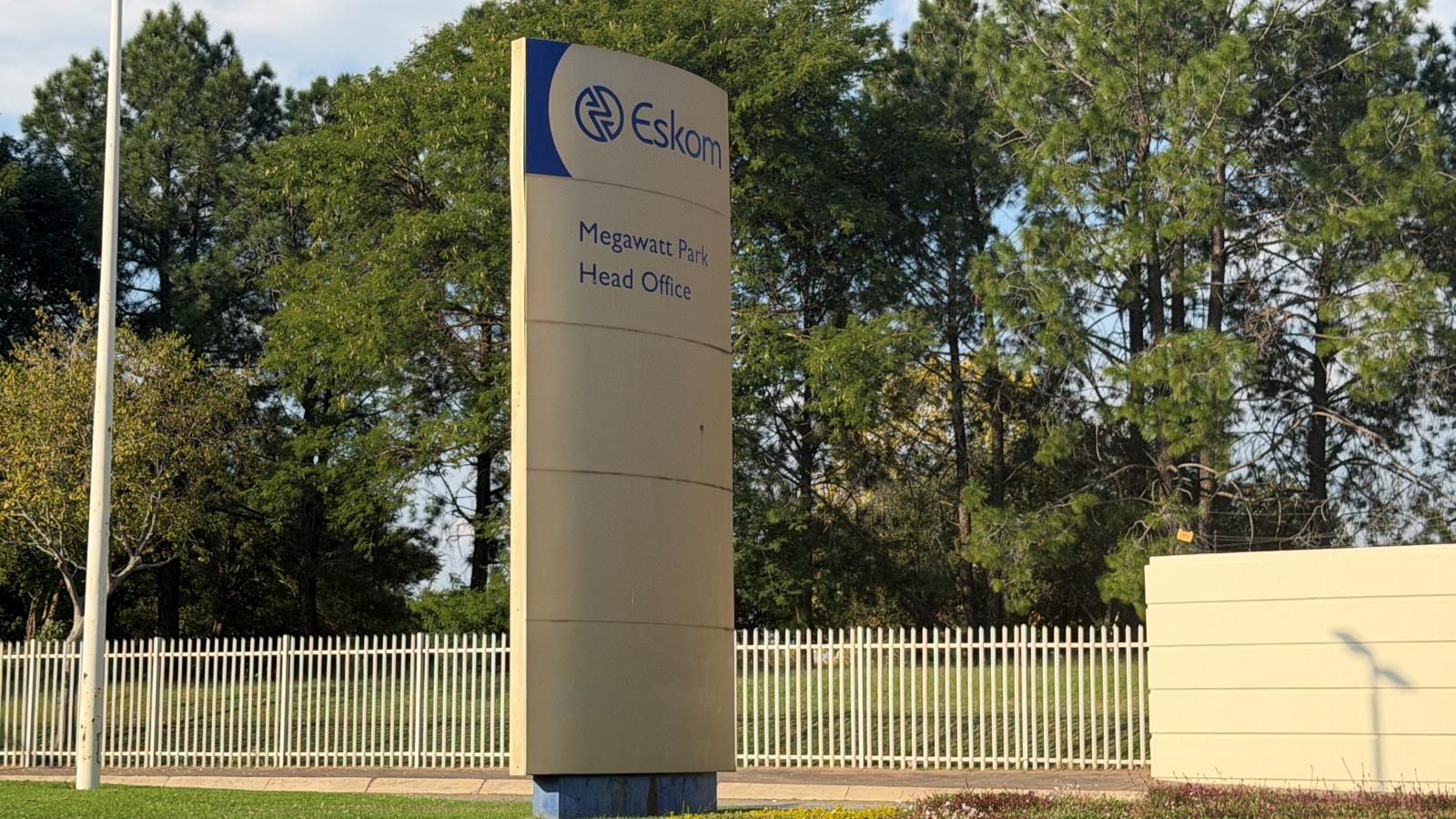
Changes to speed limits: The AARTO system was introduced on 1 July 2026 in 62 municipalities, implementing new fines for speeding. Under this system, there is a 10km/h tolerance for speed limits, which will soon increase to 15km/h before motorists receive a demerit point on their licence instead of a fine. [MyBroadband]
Eskom’s plan will leave South Africans poorer: An economic study by Nersa indicated that approximately 41,000 jobs will be lost, and households will face significant financial strain, amounting to nearly R10 billion, over the next two years due to Eskom’s R54 billion tariff adjustment. [Business Day]
Diesel price pain: Chief investment strategist at Symmetry, Izak Odendaal, has warned that diesel prices are likely to climb in August, despite the small over-recovery currently reflected in the Central Energy Fund’s data. [BusinessTech]
End of spam calls questioned: New regulations require all direct marketers to register with the National Consumer Commission’s opt-out registry and to provide consumers with stronger protections against unsolicited marketing. However, Cliffe Dekker Hofmeyr’s (CDH) Tim Fletcher and Kgatlhiso Mofokeng warned that the effectiveness of these regulations in robust enforcement and in tackling spam calls from outside South Africa is in question. [Daily Investor]
Big problem for South Africa’s best-run city: Service providers in Cape Town are increasingly relying on police escorts to operate in areas with high rates of violent crime. In the 2025 financial year, police escorts were requested an average of 275 times per month, totalling 3,300 cases. [Newsday]

















 Loading ...