

New rules for foreigners buying property in South Africa



The South African Reserve Bank (SARB) is updating its Balance of Payments codes, which are set to bring major administrative changes for foreign buyers purchasing property in South Africa.
Foreign buyers are increasingly buying property in South Africa, especially in the luxury and ultra-luxury segments.
Lightstone data shows that foreign buyers now account for about 4 in 10 SA home sales above R20 million.
Paul Stevens, CEO of Just Property, said that international buyers are no longer looking at South African luxury homes only as investments, but as places to live, work remotely, holiday and return to.
“This is not just a Cape Town story, or a luxury estate story – it’s a value story,” said Stevens.
“Global buyers are comparing South Africa with other prime destinations and realising they can get space, setting, lifestyle and long-term benefits here at prices that are hard to match elsewhere.”
Amid the rise of foreign home purchases, the SARB has updated its harmonised Balance of Payments (BoP) codes.
Immigration and tax experts at Foreign Buyer Property Solutions (FBPS) said that foreign buyers of South African property should take note of the changes to the codes.
The company said that the new codes, which come into effect from 11 August 2026, are crucial to ensure the seamless repatriation of those funds when the property is eventually sold.
“South Africa remains an exchange control jurisdiction and the movement of capital across borders is closely regulated,” said FBPS.
“The BoP reporting is the electronic message system authorised dealers, commercial banks, use to report cross-border transactions to the SARB.”
No room for mistakes
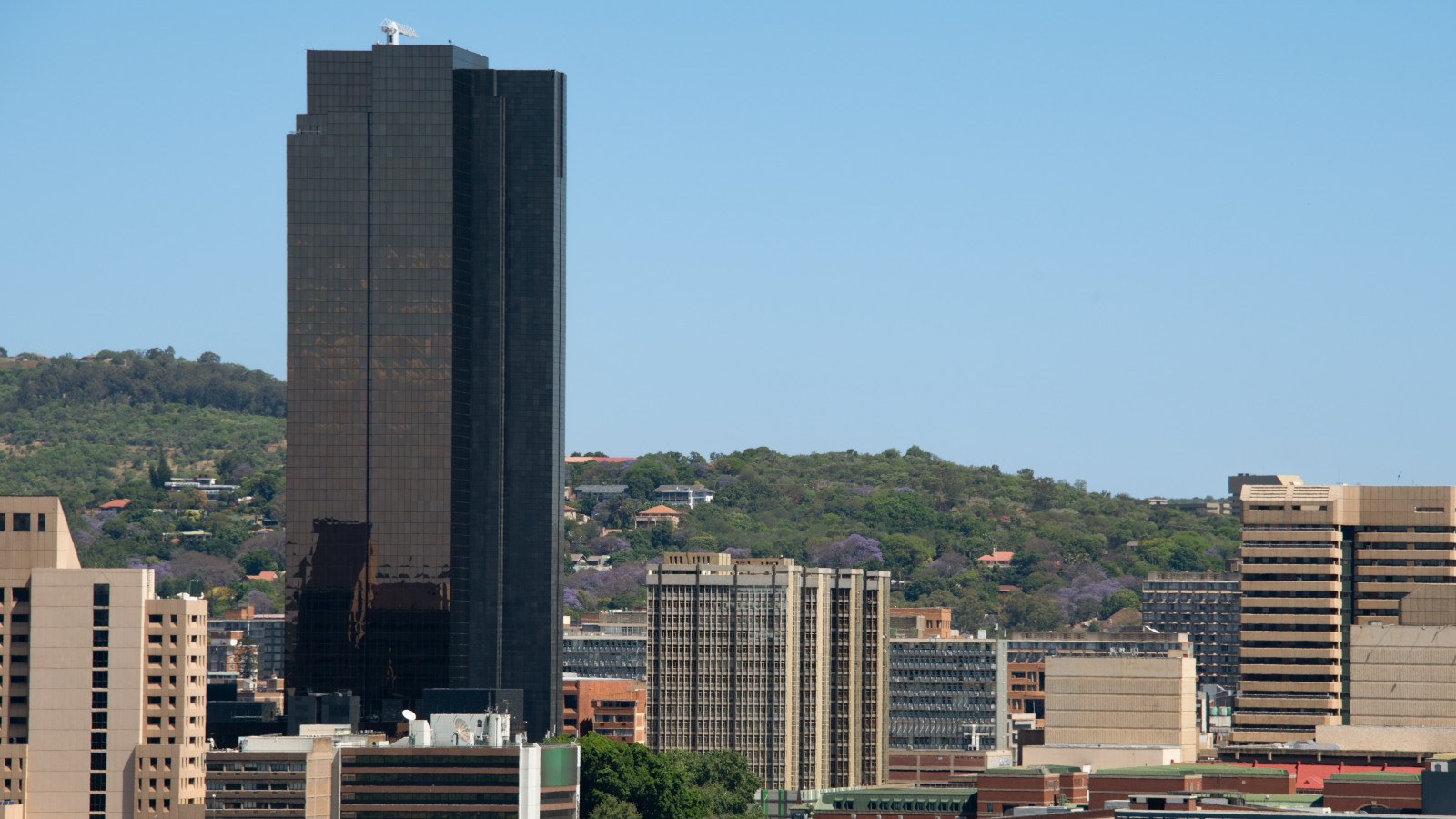
The experts said that the BoP code used when bringing funds into South Africa to finance a property transaction is not about ticking a box.
This declares the nature of the funds, and the classification depends on the investment structure and the property being used. It warned that there is room for mistakes.
“The correct BoP classification will enable you to transfer your proceeds abroad when exiting the South African property market,” FBPS said.
“An incorrect code can result in delays when attempting to transfer funds or even freezing of your capital.”
Given the over 800 categories and subcategories in the updated BoP list, detailed, specific coding is required.
FBPS added that it is also crucial that the BoP code used is consistent with the taxpayer’s disclosure to the South African Revenue Service (SARS). Any inconsistency will raise flags with SARS.
Authorised dealers must report all cross-border transactions to the SARB in accordance with exchange control regulations.
The BoP reporting system is thus intended to provide comprehensive reporting of all transaction data, regardless of the amount.
The new framework also aligns with the International Monetary Fund’s Balance of Payments Manual.
This manual is intended to standardise the structures, descriptions, direction rules, and supporting information requirements for cross-border transactions.
FNB noted that the harmonised requirements apply to both inward and outward transactions, including import and export payments.
This harmonised structure is also aimed at improving reporting accuracy to ensure consistent BoP classification.
It will also improve the quality of the data used by the SARB for economic analysis, financial stability monitoring and policy formulation.
FBPS added that the changes should also improve the straight-through processing of payments within the Common Monetary Area (CMA), improving the efficiency of qualifying transactions.
“Given South Africa’s exchange control framework, foreign real estate investors buying property in the country should pay attention to the fact that the correct BoP classification is used from the outset.”
“If you are unsure about the appropriate code applicable, it is advisable to check proactively to avoid the risk of complications arising when you want to transfer your money.”















 Loading ...