

United States ‘gift’ to South Africa comes with another deadline


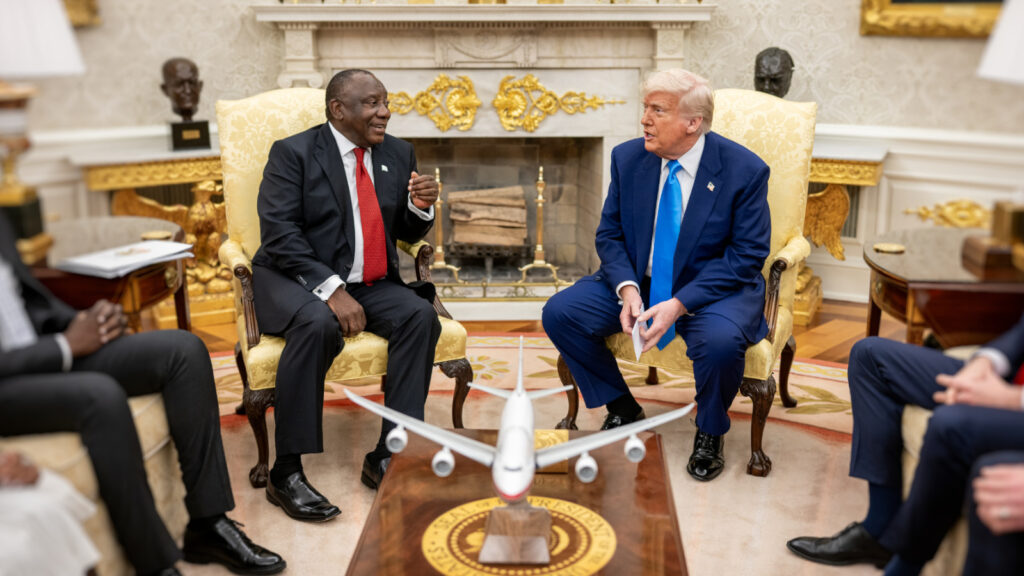
The United States Senate’s approval of extending the African Growth and Opportunity Act (AGOA) to 2028 does not guarantee that South Africa will continue to benefit.
Changes can be made to the list of participating or qualifying countries before January 2027.
The extension is also not yet final, says Agribiz Chief Economist Wandile Sihlobo, as at least two more steps remain before it crosses the finish line.
The US Senate approved the extension of AGOA last week as part of passing a wider funding bill.
The Senate Bill was an amended document from the US House of Representatives, which will now receive it for concurrence before sending it to US President Donald Trump to be signed into law.
According to Sihlobo, because of these last few steps that need to take place, it may be slightly too early to celebrate, but he still described the outcome of an extended AGOA as “likely”.
“For now, a likely renewal of AGOA, with South Africa’s continued inclusion, is a positive step for agriculture to continue to compete on the same level as other key agricultural exporters to the US market,” he said.
The amended Bill simply extends the AGOA programme as it stands until the end of December 2028; no other changes were made.
This means that all current 32 African countries remain included in the programme, including South Africa.
Sihlobo said this was a positive for the country, as AGOA continues to benefit various sectors of the South African economy.
“For South Africa’s farming sector, the American market is important, accounting for just over half a billion dollars in exports a year, which is about 4% of total agricultural exports of about US$15.1 billion,” he said.
While the figure may appear small, it is critical for specific producers, particularly raisins, table grapes, citrus, nuts, and wine, amongst other products, he said.
The programme’s benefit should also not be discounted, given the 12.5% tariff that has recently been imposed on the country through the US Trade Office’s slave labour investigations.
Without AGOA, South African products exported to the US would typically face an additional tariff of around 3% on top of the new tariffs, Sihlobo said.
This would bring the total tariff to around 15.5%, putting local exports at a disadvantage against competitors in the American market, such as Chile and Peru.
Thanks to its inclusion in AGOA, these exports are on even footing with these nations.
South Africa facing another deadline

However, trade union Solidarity warned that South Africa’s AGOA status could still change.
“AGOA allows the White House to revise the list of beneficiary countries annually, and it remains possible that President Trump could adjust the current list of 32 participating countries before next year,” it said.
This would have to take place before January 2027.
Given South Africa’s icy relationship with Washington, and some efforts from within the Senate and the House of Representatives to explicitly exclude South Africa from the programme, this remains a possibility.
“Without concrete steps to repair the bilateral relationship and address policy concerns, the risk of exclusion remains significant,” Solidarity said.
Nevertheless, the union said the latest development is still good news for South Africa and should be welcomed.
It called on the government to work to repair its relationship with the United States to prevent economic harm to workers and businesses.
Sihlobo, who is also the Presidential Envoy on Agriculture, said that this remains the goal.
“Ultimately, AGOA is not the end of the road, and I believe the South African policymakers have previously made that point clear,” he said.
“The idea is to have a formal trade agreement with the US after these uncertain times.”


















 Loading ...