

New electricity price overhaul for South Africa officially published


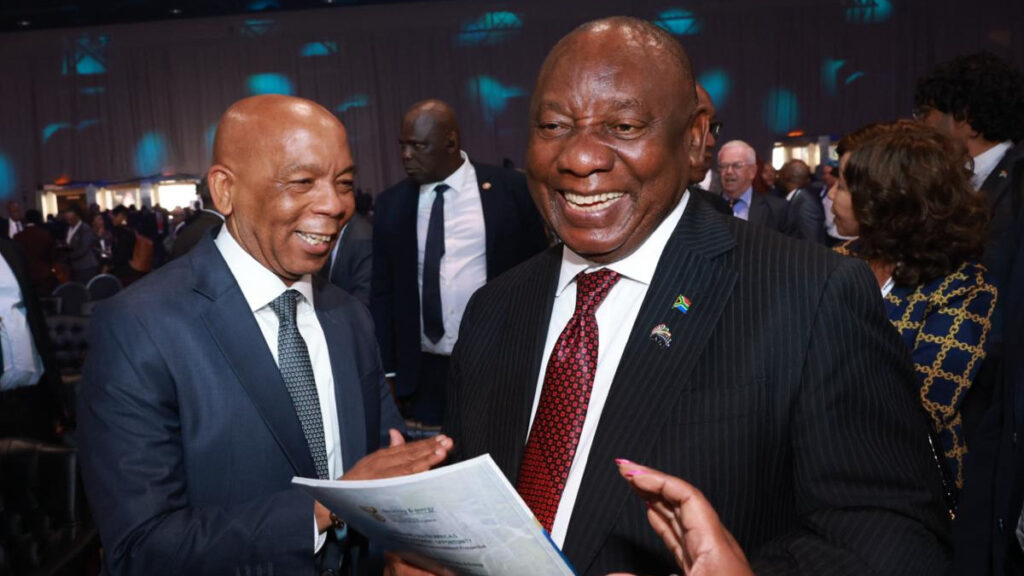
The Department of Electricity and Energy has officially gazetted the Revised Electricity Pricing Policy for public comment, proposing big changes to pricing in South Africa.
The gazette was recently announced alongside plans to unbundle Eskom and create a competitive energy market in the country.
This would involve splitting Eskom into three separate entities and would allow private-sector participation in the national grid.
With the proposed changes to the national grid, Electricity and Energy Minister Kgosientsho Ramokgopa said an adjustment to the country’s electricity pricing policy was necessary.
Electricity prices in South Africa have risen sharply in recent years, with tariff adjustments causing prices to double over the last decade.
The Revised Electricity Pricing Policy is aimed at “providing a unified and coherent framework for
electricity pricing in a transitioning electricity sector.”
Its purpose is also to establish cost-reflective, efficient energy pricing across the country and add transparency to electricity pricing.
The new policy would mean that electricity prices are broken down and explained at each step, giving transparency over how tariffs were decided.
It would also require electricity tariffs to become cost-reflective within five years, based on the actual cost of providing electricity to the customer.
The National Energy Regulator of South Africa (NERSA) would determine and approve tariffs, and licensees would not be allowed to charge higher than the prescribed amount.
In terms of the policy, “a licensee may not charge a customer any other tariff and use provisions in agreements other than those determined or approved by NERSA as part of its licensing conditions.”
The policy also states that tariffs must be subsidised for low-income households, either by covering only operating costs in these instances or by other direct or indirect methods.
“Provision may be made for the promotion of local economic development through special tariffs for categories of commercial and industrial users.”
The goal of the new tariffs
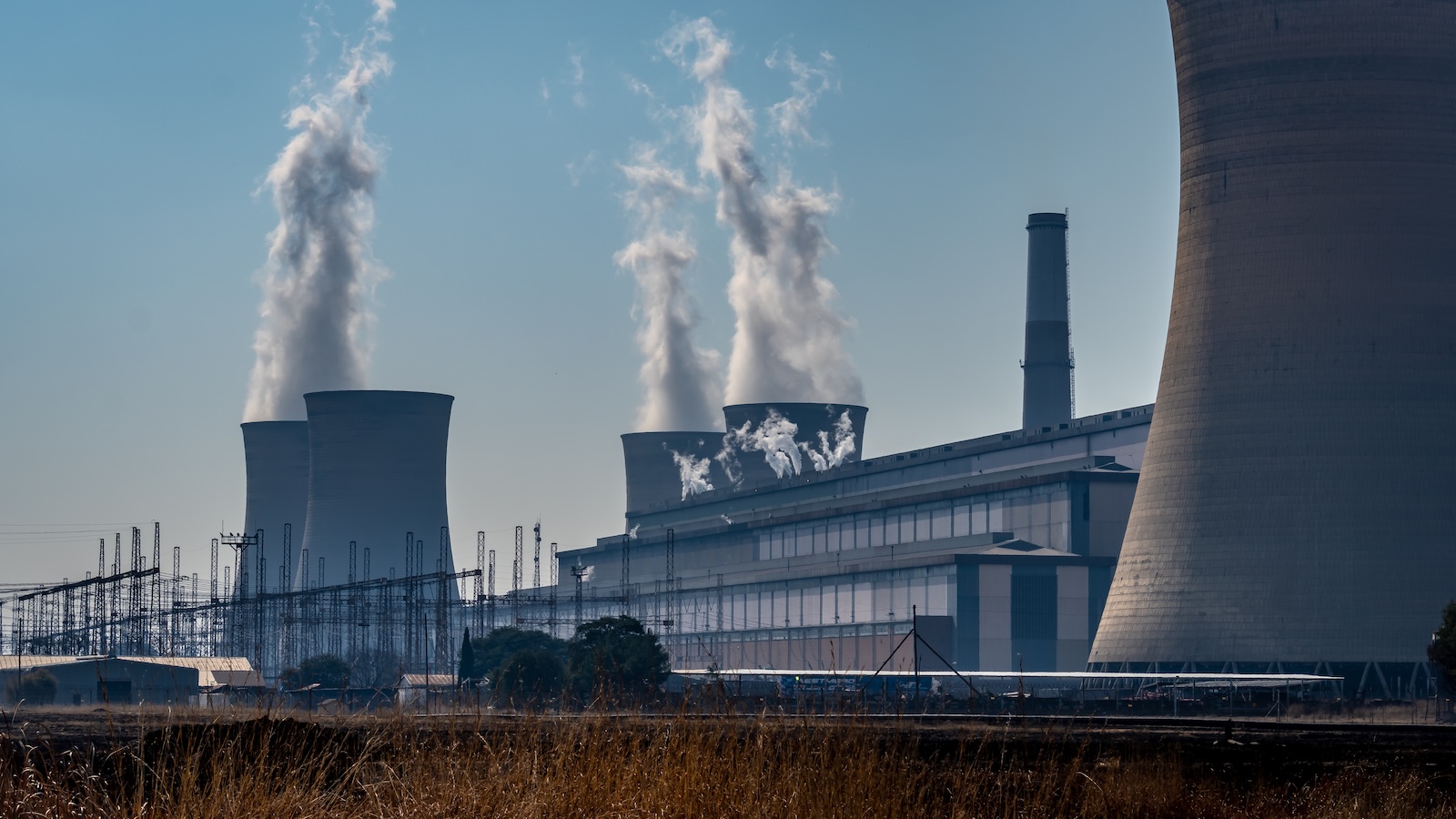
Ramokgopa previously said that the revised policy would incorporate a multi-year electricity tariff outlook to further enhance pricing transparency.
The policy requires a five-year electricity pricing forecast for both national and municipal prices, which is constantly adjusted for potential shifts by NERSA.
This will give households support in planning for the future and comes as good news for South African businesses.
A better understanding of future electricity prices will help large, energy-intensive businesses, such as mining operations, develop accurate long-term plans and attract investors.
The pricing forecast would ideally break down the contributions to pricing from various sectors along the energy supply chain, helping to understand where potential price increases arise.
The main sectors would be generation, transmission, and distribution, with businesses across all three categories contributing to overall electricity tariffs.
Forecasting is intended to protect the country’s businesses and households from unexpected price shocks or price volatility.
Originally, Ramokgopa said the policy would include a 10-year pricing forecast to enable long-term planning.
While the revised pricing policy is good news for South Africa’s households and businesses, private participants in the energy sector are not guaranteed success.
The policy said that although businesses are allowed to set tariffs that reflect the production costs and risks they take, they are not guaranteed profits.
NERSA will have 12 months to establish a national tariff structure, which would be used as a framework for the tariffs charged by all licensed distributors.
The Revised Electricity Pricing Policy is currently out for public comment for 30 days.
Interested persons and organisations are invited to submit written comments by post to: Private Bag X 96, Pretoria, 0001, or hand delivery to: Matimba House, 192 Visagie Street, Cnr Paul Kruger, Pretoria.
Digital submissions can be made via email to: [email protected]
The full document can be read below:
















 Loading ...