

Popular South African restaurant launching new international format in 2027


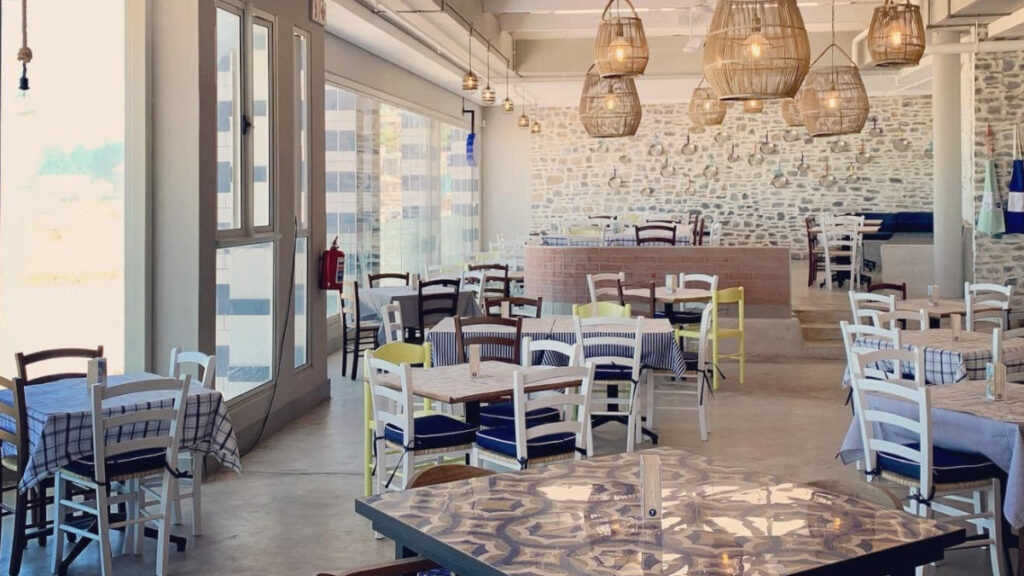
Popular seafood restaurant Ocean Basket is extending beyond its traditional sit-down casual dining into other formats.
Ocean Basket CEO Grace Harding told BusinessTech that the group is developing something new, which will launch in Cyprus first, then in South Africa.
“We’re opening the most amazing concept in February. We’re building something exciting, but we’re going to launch it in Cyprus first,” Harding told BusinessTech.
She explained that the group has identified that seafood can be delivered in many formats and plans to extend its format beyond the casual dining space.
“More people need to enjoy great seafood at an incredible price. The current format is not the only one,” said Harding.
Ocean Basket was founded in Pretoria in 1995 by brothers Peter “Fats” and George Lazarides, who looked to bring their mother’s Greek cuisine to a wider audience.
The restaurant chain launched its first international expansion in 2008, opening its first location in Cyprus.
It has now expanded to 16 countries, including the UK, UAE, Qatar, Kuwait, Kazakhstan, Malta and several other African countries.
Harding explained that casual dining traditionally requires large footprints, but changing consumer habits demand convenience and lower price barriers.
“The current Ocean Basket model flexes to its environment, and we are working on other distribution channels that will deliver in different environments to different needs.”
Harding mentioned that aggregators like Uber Eats and Mr D are acting as digital malls, in addition to Ocean Basket’s own direct app, which has more than 200,000 users.
Out-of-restaurant sales in South Africa have increased by nearly 30%.
The traditional flagship restaurants, which typically seat 200, are evolving to smaller units with 80 to 100 seats in growing regional hubs such as Harrismith and Mthatha.
These smaller footprints reduce construction costs, allowing single franchisees to own two to three units, which Harding emphasised is crucial for profitability today.
They are expanding dark kitchens in Cyprus, with a second location launching, while also using existing South African stores as their own fulfilment hubs before introducing standalone dark kitchens locally.
While competitors in the food industry add meat to catch non-fish eaters, Ocean Basket is not planning to do the same: “We’ve only got one horse: seafood.”
Harding said that focusing on seafood minimises the risks of cross-contamination and simplifies kitchen procedures.
She said that while “a chicken is a chicken,” there are more than 2,000 edible fish species, which allows for limitless culinary creativity within the seafood brand.
From Pretoria to the world

The new format, launching first in Cyprus, demonstrates the group’s commitment to international expansion as a key pillar of its growth strategy, it said.
Ocean Basket’s Chief Operating Officer, John Camacho, told BusinessTech that when considering a new territory for expansion, the group prioritises partnering with a local entity that possesses both credibility and a strong operational record.
“We look for partners who understand hospitality at scale, have successfully operated multi-site businesses in their market, and share our long-term brand vision,” said Camacho.
The second key aspect is supply chain integrity. Camacho said that Ocean Basket stands out due to its unique seafood offerings and flavour profile.
He emphasised that the chain verifies its ability to consistently import and maintain the quality of its seafood products. “Without this supply chain confidence, we do not proceed.”
The chain does not base its decisions solely on existing seafood demand; instead, it believes that strong brands, like its own, can shape that demand.
He said that while the chain remains focused on its brand identity, which emphasises generous portions, it is willing to adjust menu items to cater to local taste preferences, dietary requirements, and regulatory standards.
In the Gulf Cooperation Council (GCC), which includes several Middle Eastern countries, the menus must adhere to strict halal standards and be tailored to local dining habits.
In certain European and Central Asian markets, the group refines its beverage selection, service pace, and menu composition to better align with guests’ dining preferences.
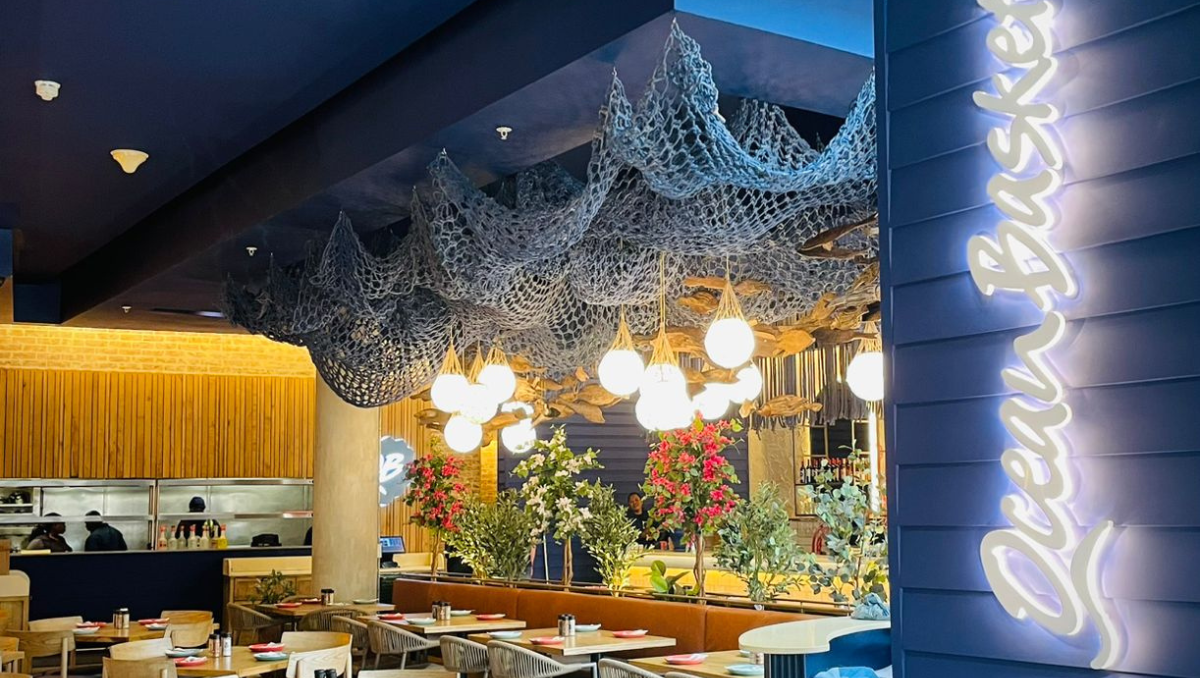
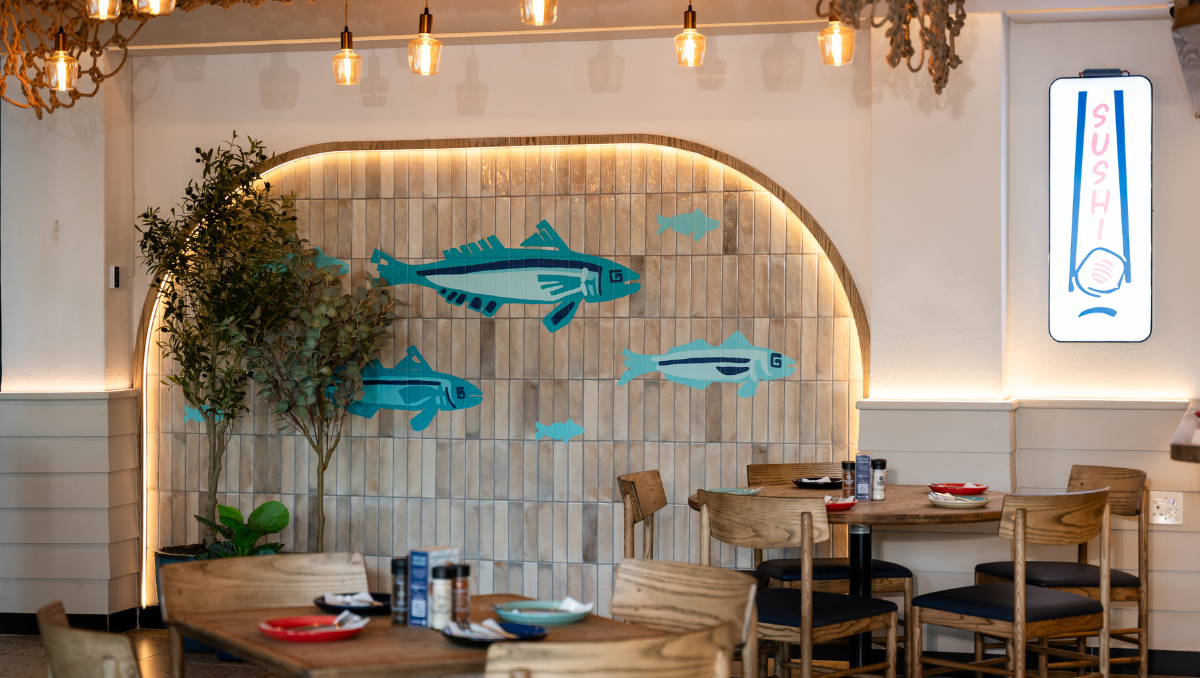
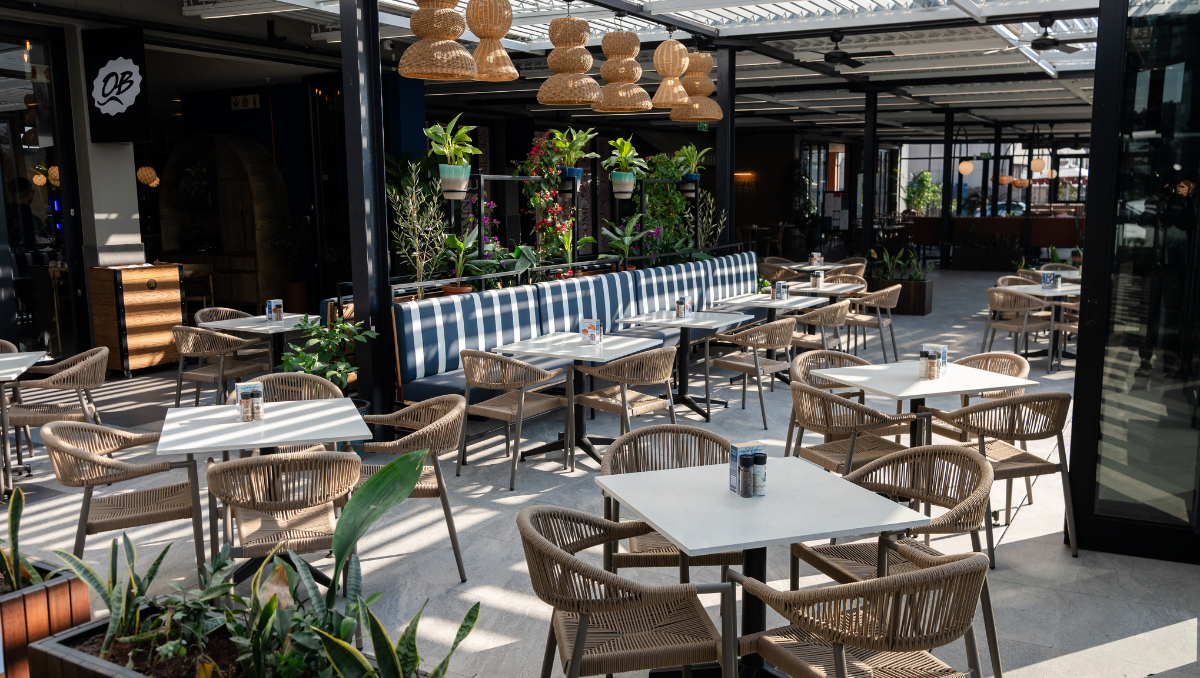
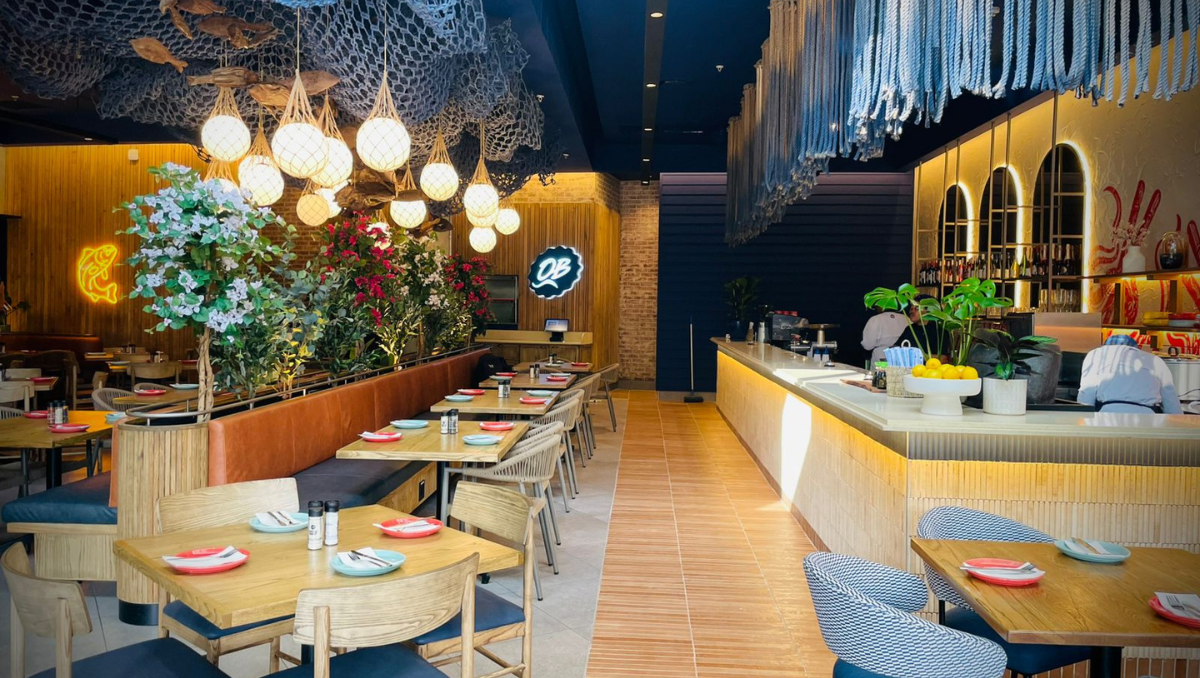
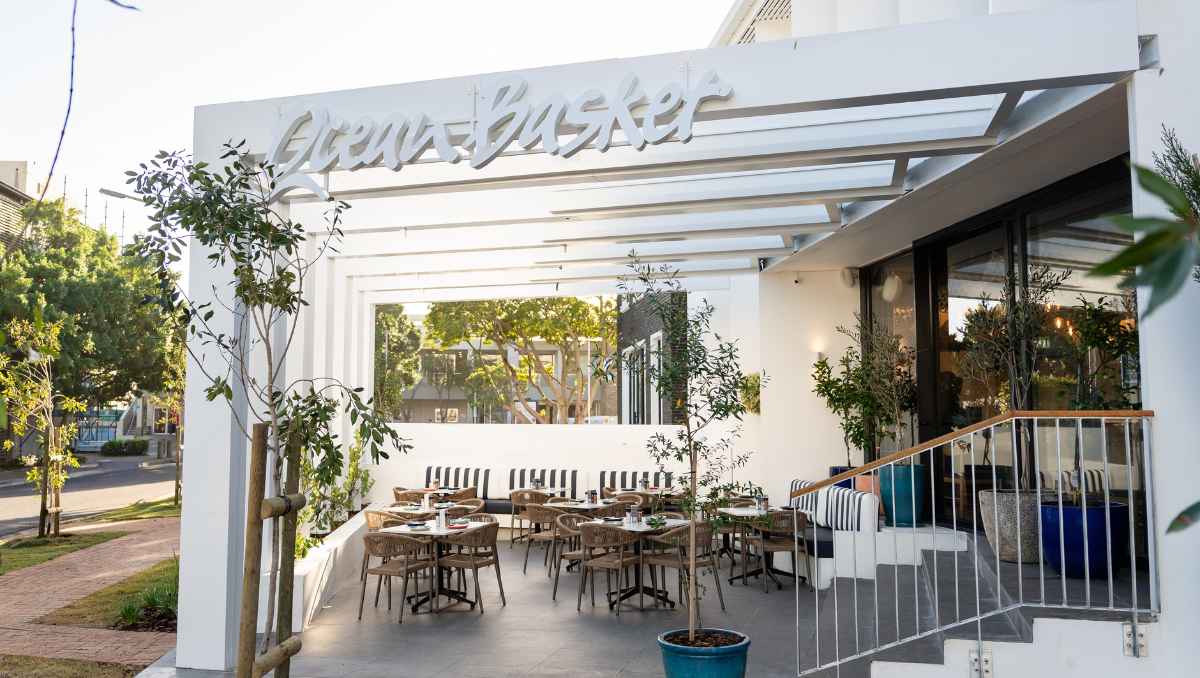
Photos of Ocean Basket

















 Loading ...