

Billionaire’s son in line to inherit R262 billion empire, and new retail store launches in South Africa


South Africa faces a low-data week ahead, with local retail sales data due on Wednesday (16 September).
On the international front, however, markets will be keeping an eye on the US Fed and other central banks on their next interest rate moves.
According to economists at Nedbank, South Africa’s retail sales growth is expected to slow from 1.6% year-on-year in June to 1% in July.
The bank noted that sales likely increased modestly over the month, but not enough to lift it materially above last year’s relatively high base.”
So far, consumers have proved relatively resilient in the face of rising fuel prices, with the GDP numbers showing that spending on durable goods and services remained robust throughout the second quarter,” it said.
Despite this, the cumulative rise in fuel prices from April to June and the July interest rate hike have likely made and will continue to make consumers more selective in their purchases.
Pressure could mount with the South African Reserve Bank (SARB) also possibly hiking interest rates again this month.
The SARB is scheduled to deliver its next policy move on 23 September, following moves by other major central banks this week.
After reaffirming the Federal Reserve’s commitment to return inflation to target at the Jackson Hole gathering of central bankers, the new chair, Kevin Warsh, is widely expected to lead the FOMC towards a long-awaited rate hike this week.
According to Nedbank, this could “help silence any lingering doubts over the Fed’s inflation-fighting resolve”.
“The markets expect the Fed to raise the federal funds rate by 25 bps, from 3.75% to 4%, in response to elevated price pressures amid ongoing fiscal stimulus, enormous investments in AI technology, and rising energy costs as the war in Iran drags on,” the group noted.
The Bank of Japan is also expected to raise its policy rate from 1% to 1.25%. In contrast, markets expect the Bank of England to keep its policy rate unchanged at 3.75%.
South Africa does not strictly follow the actions of international reserve banks, but the Monetary Policy Committee (MPC) does factor them into its decisions.
The previous hold on interest rates in July was not unanimous, with two MPC members voting to hike rates by 25 bps.
Markets anticipate one more 25 bps hike for South Africa, but are split between September and November this year.
The recent flare-up in global oil prices, and thus local fuel prices, as well as the stickiness of the US-Iran war, is pushing the needle towards an earlier date.
5 important things happening in South Africa today

Crown prince: Anton Rupert, the son of billionaire Johann Rupert, is the crown prince of the R262 billion Rupert business empire. Recent developments confirmed that Anton Rupert will take over the family’s business empire when his father retires, including board appointments to family-controlled businesses. [Newsday]
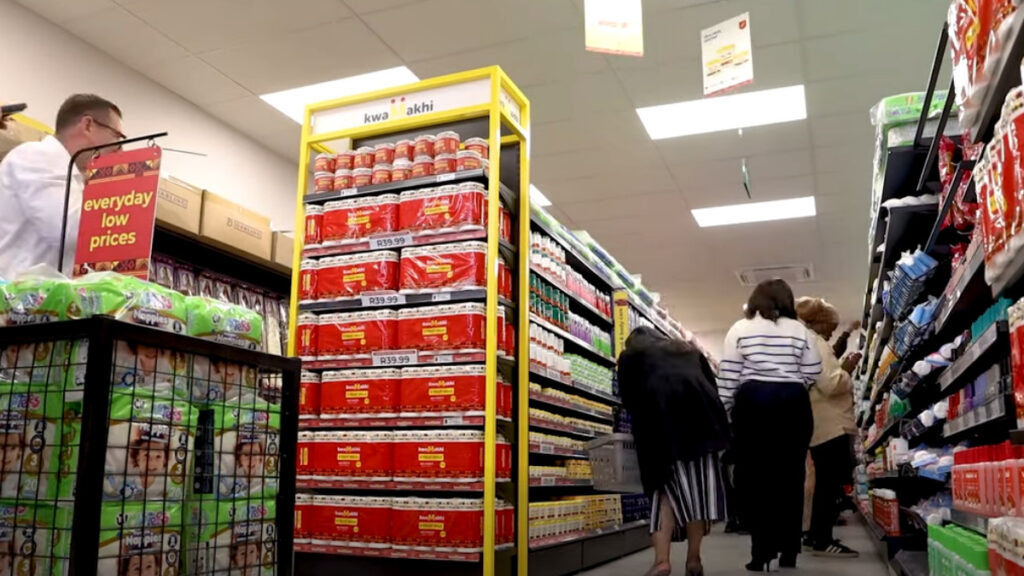
New retailer: Clicks is entering South Africa’s R900 billion township economy with a new retail brand, KwaMakhi, designed for high-density, lower-income communities. KwaMakhi opened its first store in Tembisa, Gauteng, on 27 August 2026. Two more stores followed in Khayelitsha and Cravenby in the Western Cape. [Daily Investor]
EasyEquities warning: EasyEquities has sent customers an email notifying them that one of its third-party service providers may have experienced a data breach or leak, which affects them. It said its internal investigation found no evidence that any EasyEquities or Purple Group systems were compromised. However, it is working with the third party to establish the extent of the incident. [MyBroadband]
Taxpayers footing the bill: South African taxpayers paid R6 million for a luxury trip to Venezuela by Gauteng Provincial Legislature Speaker Morakane Mosupyoe and a small delegation, including R1.5 million in spending allowances. [BusinessTech]
Rise of China: 10 years ago, you would have struggled to find a Chinese car on South Africa’s roads. Today, they make up more than 40% of the brands in showrooms. South Africa’s economy has stagnated over the last decade, leading to a higher cost of living with elevated interest rates and soaring fuel prices. This has opened the door to Chinese brands to take over the market. [TopAuto]

















 Loading ...