

Major South African university trying not to pay Eskom R60 million


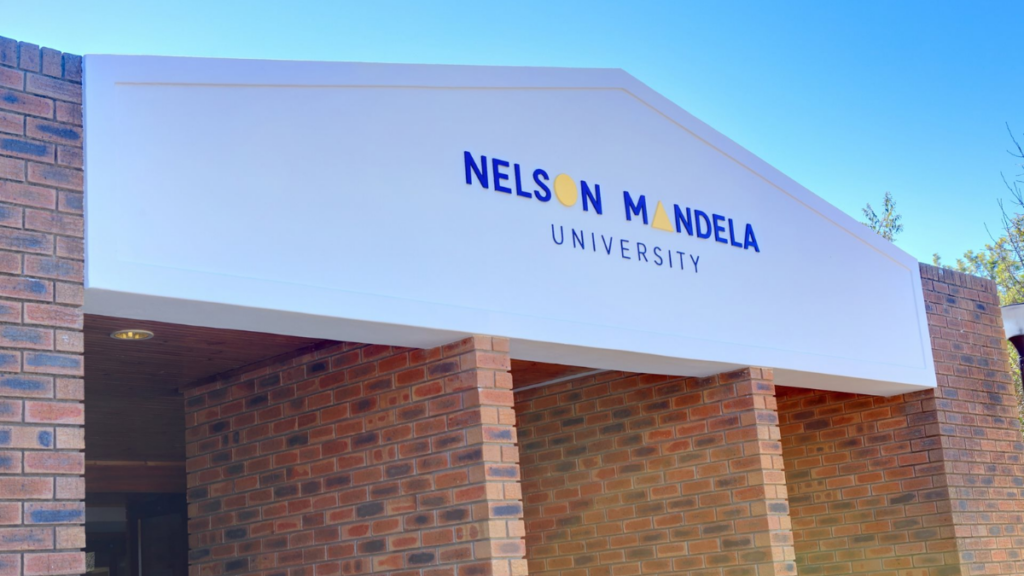
Nelson Mandela University (NMU) in the Eastern Cape is working to decrease its reliance on Eskom for electricity. The goal is to generate 80% of its electricity from renewable sources by May 2027.
The university has installed a 4.4 MW solar photovoltaic (PV) system across all its campuses.
This facility will consist of 8,500 solar panels, enabling the university’s seven campuses to source a significant portion of their electricity from solar power.
Construction started in mid-November 2025, and the university said it is already generating solar power on our Summerstrand North Campus and the Ocean Sciences Campus.
NMU said that all the campuses will be generating electricity by the end of November 2026.
The university explained that carport roofs are being used to accommodate the solar panels, and where necessary, old asbestos and timber carports are being replaced with smart aluminium.
The solar platform is an investment project driven by the Vice-Chancellor and Deputy Vice-Chancellors to generate sustainable savings for the University.
This supports its long-term sustainability framework, which includes efforts to reduce its carbon footprint.
The transition will be facilitated by a new 10-year renewable electricity agreement with Etana Energy, a licensed electricity trader that supplies renewable energy through the national grid.
The project is being managed through the University’s Infrastructure Services and Space Optimisation Directorate, led by Melvin Syce.
Syce explained that the University decided to increase its solar generation capacity due to the significant load-shedding experienced in 2023, when it was without electricity supplied by Eskom for about a third of the year.
Nelson Mandela University spends around R60 million every year on electricity supplied by Eskom
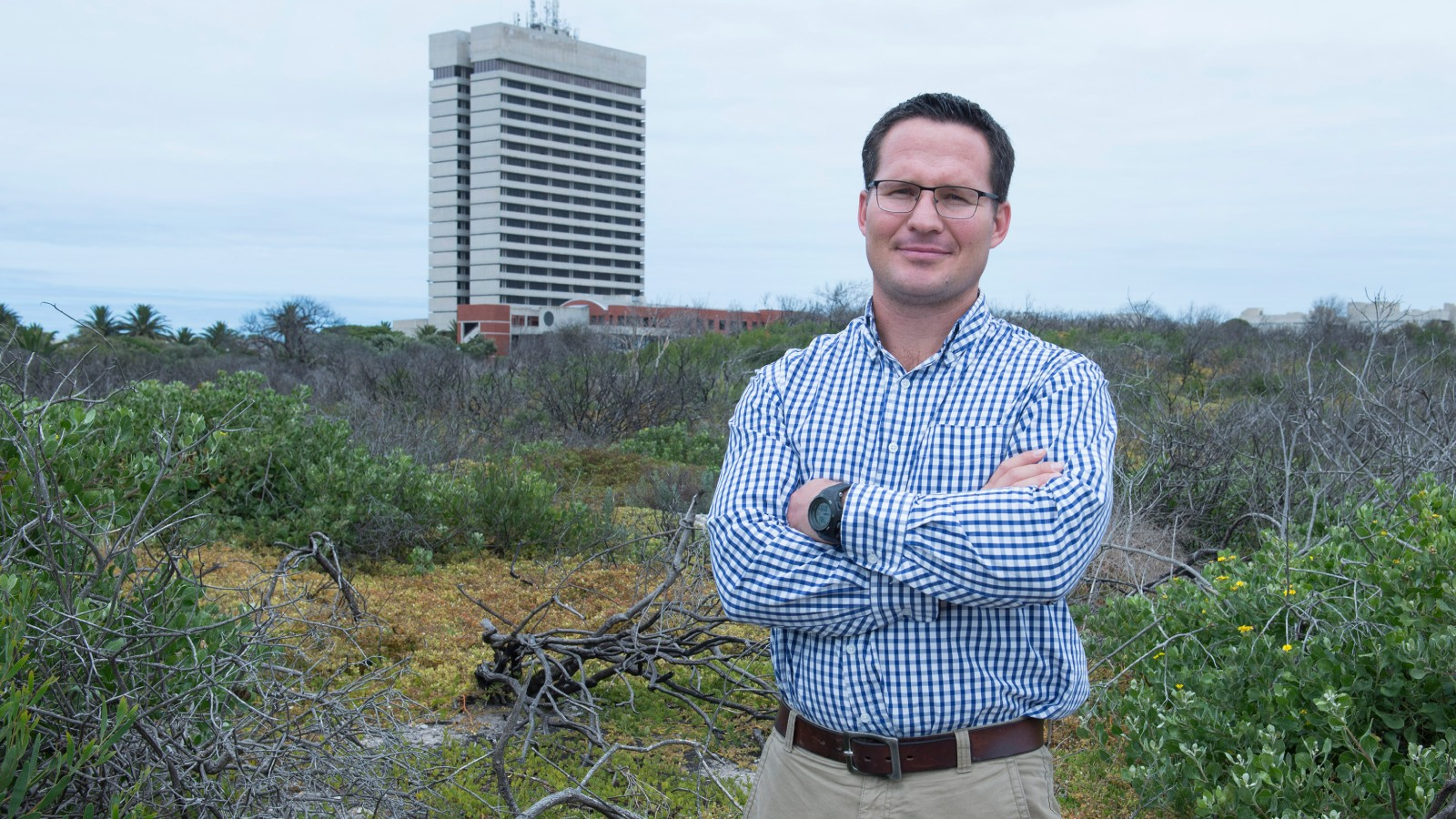
Nelson Mandela University’s sustainability engineer, Andre Hefer, said that the institution will purchase between 50% and 55% of its power directly from Etana’s renewable sources.
The new solar photovoltaic (PV) system installed across its campuses is expected to supply an extra 25% to 30% of the university’s electricity needs.
“This will take our renewable energy supply to about 80%. The remaining electricity will be sourced from Eskom,” said Hefer.
“The university is also strengthening our generator infrastructure to provide centralised backup power during outages.”
This installation will build on the previous 1MW solar plant, which has been operational at the university’s Summerstrand South Campus since 2019.
The university aims to reduce its carbon emissions by approximately 12,000 tonnes per year, based on its current annual electricity consumption.
Once the facility is operational, it is expected to save between R8 million and R10 million annually, as the university currently spends R60 million on Eskom-supplied power.
“By committing to long-term offtake, Nelson Mandela University is helping to bring new renewable projects onto the grid,” said Etana CEO Evan Rice.
“Large electricity users have typically meant mines and heavy industry, but this agreement shows that large public-interest institutions like universities can play just as critical a role,” said Rice.
Nelson Mandela University has about 33,000 to 35,000 students and operates across seven campuses.
Six of these campuses are located in Gqeberha (formerly known as Port Elizabeth), while one is situated in George.
The university comprises seven faculties: Business and Economic Sciences, Education, Engineering, Health Sciences, Humanities, Law, and Science.
It offers over 500 study programmes, which range from higher certificates and diplomas to bachelor’s degrees and doctorates.
Many of these programs incorporate practical workplace experience or cooperative education as part of their core curriculum.














 Loading ...